Wednesday, 22 July 2026

Published July 22, 2026 by with 0 comment

The Surprising Ancient History of Parrots

Parrots Through History – From Ancient Times to Today

When you think of a parrot, you probably picture a colorful companion chatting on a perch. Maybe you think of a pirate's shoulder, a viral video, or your own beloved feathered friend whistling a tune.

But parrots have a history far richer and stranger than most of us realize. Long before they became our pets, they were revered as sacred messengers, traded as royal treasures, and even walked the halls of ancient emperors. Let's turn back the clock and explore the remarkable journey of parrots through human history.


Whispers from the Ancient World

The love affair between humans and parrots began thousands of years ago. The earliest known written record of a parrot comes from the Rig Veda, an ancient Indian sacred text composed over 3,000 years ago. The poem mentions a bird that can mimic human speech—and we know today this was likely the Alexandrine Parakeet, named centuries later after Alexander the Great.

In fact, it was Alexander the Great's conquests into India around 327 BCE that first brought parrots to the Western world. His soldiers were captivated by these talking birds and brought them back to Greece, where they instantly became exotic status symbols. The Greeks called them psittakos, the root of our scientific name Psittacidae for the parrot family.

📜 Ancient Origins:
Earliest Record: Rig Veda (over 3,000 years ago)
First Western Introduction: Alexander the Great, 327 BCE
Greek Name: Psittakos → Scientific name Psittacidae
Likely Species: Alexandrine Parakeet


Rome's Feathered Obsession

If the Greeks started the trend, the Romans turned it into an art form. Wealthy Roman families kept parrots in elaborate cages made of silver, ivory, and tortoiseshell. They even hired teachers specifically to train parrots to speak—particularly to say "Ave Caesar" (Hail Caesar).

Pliny the Elder wrote extensively about parrots in his Natural History in the 1st century CE, describing their ability to imitate human speech with such precision that they could "carry on conversations." He also noted a darker side: Romans cooked and ate some talking birds as exotic delicacies at banquets, considering them an unparalleled luxury. The paradox of being both beloved companion and status dish is a strange chapter in the parrot's history we thankfully left behind.

🏛️ Roman Parrot Facts:
Cages: Made of silver, ivory, and tortoiseshell
Training: Hired teachers to train parrots to speak
Famous Phrase: "Ave Caesar" (Hail Caesar)
Pliny's Observation: Parrots could "carry on conversations"
Dark Side: Some parrots were eaten as exotic delicacies


Sacred Messengers and Royal Gift-Givers

Across the ocean, in the Americas, parrots held deep spiritual meaning for the Maya, Aztec, and Inca civilizations. Macaw feathers were more precious than gold, adorning the headdresses of kings and priests. The Aztec god of learning, Quetzalcoatl, was often depicted with sacred quetzal and macaw feathers. Parrots were seen as connectors between earthly and spiritual realms—their brilliant plumage a direct gift from the sun.

Meanwhile, in medieval Europe, parrots became treasured diplomatic gifts. Pope Leo X famously owned a parrot, and in the 1500s, Henry VIII kept an African Grey at Hampton Court Palace. The bird was so beloved that it reportedly called out to the king's passing barges on the River Thames.


The Age of Exploration and a Dark Turn

As European ships circled the globe from the 15th century onward, parrots became global travelers—often against their will. Sailors brought them home as souvenirs from Africa, Asia, and the Americas. Pirates and privateers famously adopted them, partly because a talking bird fetched a high price in any port, and partly because they were one of the few creatures that could survive long sea voyages.

This era also marks the beginning of the wild-caught parrot trade, a practice that caused devastating population declines for centuries. It's a sobering reminder that our fascination with these birds has not always served them well.


From Wild to Companion: The Modern Parrot

Today, parrots are found in homes across the world, from the cheerful Budgerigar to the intelligent African Grey. Their ancient connection to humans has evolved into a deep bond of companionship. Yet at their core, they remain what they always were: wild, brilliant, and deeply complex creatures.


Why This Matters for Every Parrot Lover

Understanding parrot history changes how we see them. That playful Cockatiel on your shoulder carries the echo of ancient temples and royal courts. That chatty Amazon parrot connects back to Vedic hymns and Roman banquets. They are not just pets—they are a thread woven through our own human story.

Let's honor that history by giving them the respect, care, and love they have always deserved.


Did any part of this parrot history surprise you? Share your thoughts in the comments—I'd love to hear which ancient tale resonated most with you. 🦜✨

طوطوں کی تاریخ – قدیم زمانے سے آج تک

جب آپ طوطے کے بارے میں سوچتے ہیں تو شاید آپ ایک رنگین ساتھی کی تصویر بناتے ہیں جو کسی اونچی جگہ پر بیٹھا باتیں کر رہا ہے۔ شاید آپ کسی قزاق کے کندھے، ایک وائرل ویڈیو، یا اپنے پیارے پردار دوست کے بارے میں سوچتے ہیں جو کوئی دھن سیٹی بجا رہا ہے۔

لیکن طوطوں کی تاریخ ہم میں سے اکثر کے خیال سے کہیں زیادہ امیر اور عجیب ہے۔ ہمارے پالتو بننے سے بہت پہلے، انہیں مقدس پیغام رساں کے طور پر تعظیم دی جاتی تھی، شاہی خزانوں کے طور پر تجارت کی جاتی تھی، اور یہاں تک کہ قدیم شہنشاہوں کے ایوانوں میں چلتے تھے۔ آئیے وقت کو پیچھے موڑیں اور طوطوں کے انسانی تاریخ کے ذریعے قابل ذکر سفر کو دریافت کریں۔


قدیم دنیا سے سرگوشیاں

انسانوں اور طوطوں کے درمیان محبت کا رشتہ ہزاروں سال پہلے شروع ہوا۔ طوطے کا قدیم ترین تحریری ریکارڈ رگ وید سے ملتا ہے، جو 3,000 سال سے زیادہ پہلے مرتب کیا گیا ایک قدیم ہندو مقدس متن ہے۔ اس نظم میں ایک پرندے کا ذکر ہے جو انسانی تقلید کر سکتا ہے—اور آج ہم جانتے ہیں کہ یہ غالباً الیگزینڈرائن پیریٹ تھا، جسے سکندر اعظم کے بعد صدیوں بعد نام دیا گیا۔

درحقیقت، یہ سکندر اعظم کی 327 قبل مسیح میں ہندوستان میں فتوحات تھیں جنہوں نے پہلی بار طوطوں کو مغربی دنیا میں پہنچایا۔ اس کے سپاہی ان باتونی پرندوں سے متاثر ہوئے اور انہیں یونان واپس لے آئے، جہاں وہ فوری طور پر غیر ملکی حیثیت کی علامت بن گئے۔ یونانیوں نے انہیں psittakos کہا، جو طوطوں کے خاندان کے لیے ہمارے سائنسی نام Psittacidae کی جڑ ہے۔

📜 قدیم ابتداء:
قدیم ترین ریکارڈ: رگ وید (3,000 سال سے زیادہ پرانا)
پہلا مغربی تعارف: سکندر اعظم، 327 قبل مسیح
یونانی نام: Psittakos → سائنسی نام Psittacidae
ممکنہ نسل: الیگزینڈرائن پیریٹ


روم کا پردار جنون

اگر یونانیوں نے یہ رجحان شروع کیا تو رومیوں نے اسے ایک آرٹ کی شکل دے دی۔ امیر رومی خاندان طوطوں کو چاندی، ہاتھی دانت اور کچھوے کے خول سے بنے شاندار پنجروں میں رکھتے تھے۔ انہوں نے طوطوں کو بولنے کی تربیت دینے کے لیے خاص طور پر اساتذہ کی خدمات حاصل کیں—خاص طور پر "Ave Caesar" (سیزر کی جے ہو) کہنے کے لیے۔

پلینی دی ایلڈر نے پہلی صدی عیسوی میں اپنی نیچرل ہسٹری میں طوطوں کے بارے میں بڑے پیمانے پر لکھا، ان کی انسانی تقلید کرنے کی صلاحیت کو اتنی درستگی کے ساتھ بیان کیا کہ وہ "بات چیت کر سکتے تھے۔" اس نے ایک تاریک پہلو بھی نوٹ کیا: رومی کچھ باتونی پرندوں کو ضیافتوں میں غیر ملکی پکوان کے طور پر پکاتے اور کھاتے تھے، انہیں ایک بے مثال عیش و آرام سمجھتے تھے۔ محبوب ساتھی اور حیثیت کی ڈش دونوں ہونے کا تضاد طوطے کی تاریخ کا ایک عجیب باب ہے جسے ہم نے خوشی سے پیچھے چھوڑ دیا۔

🏛️ رومی طوطوں کے حقائق:
پنجرے: چاندی، ہاتھی دانت اور کچھوے کے خول سے بنے
تربیت: طوطوں کو بولنے کی تربیت دینے کے لیے اساتذہ
مشہور جملہ: "Ave Caesar" (سیزر کی جے ہو)
پلینی کا مشاہدہ: طوطے "بات چیت کر سکتے تھے"
تاریک پہلو: کچھ طوطے غیر ملکی پکوان کے طور پر کھائے جاتے تھے


مقدس پیغام رساں اور شاہی تحفہ دینے والے

سمندر کے پار، امریکہ میں، طوطوں کا مایا، ایزٹیک اور انکا تہذیبوں کے لیے گہرا روحانی مطلب تھا۔ مکاؤ کے پر سونے سے زیادہ قیمتی تھے، جو بادشاہوں اور پجاریوں کے سروں کو سجاتے تھے۔ ایزٹیک علم کے دیوتا، کوئٹزال کوٹل، کو اکثر مقدس کوئٹزال اور مکاؤ کے پروں کے ساتھ دکھایا جاتا تھا۔ طوطوں کو زمینی اور روحانی دائروں کے درمیان رابطہ کرنے والے کے طور پر دیکھا جاتا تھا—ان کے شاندار پر سورج کی طرف سے ایک براہ راست تحفہ تھے۔

دریں اثنا، قرون وسطی کے یورپ میں، طوطے قیمتی سفارتی تحفے بن گئے۔ پوپ لیو X کے پاس مشہور طور پر ایک طوطا تھا، اور 1500 کی دہائی میں، ہنری VIII نے ہیمپٹن کورٹ پیلس میں ایک افریقی گرے رکھا۔ یہ پرندہ اتنا پیارا تھا کہ مبینہ طور پر یہ دریائے ٹیمز پر بادشاہ کے گزرتے ہوئے کشتیوں کو پکارتا تھا۔


دریافت کا دور اور ایک تاریک موڑ

جب 15ویں صدی سے یورپی جہازوں نے دنیا کا چکر لگایا تو طوطے عالمی مسافر بن گئے—اکثر اپنی مرضی کے خلاف۔ ملاح انہیں افریقہ، ایشیا اور امریکہ سے تحائف کے طور پر گھر لائے۔ قزاقوں اور نجی بحری جہازوں نے مشہور طور پر انہیں اپنا لیا، جزوی طور پر کیونکہ ایک باتونی پرندہ کسی بھی بندرگاہ میں زیادہ قیمت پر فروخت ہوتا تھا، اور جزوی طور پر کیونکہ وہ ان چند مخلوقات میں سے ایک تھے جو طویل سمندری سفر کو برداشت کر سکتے تھے۔

یہ دور جنگلی پکڑے گئے طوطوں کی تجارت کے آغاز کی علامت بھی ہے، ایک ایسا عمل جس نے صدیوں تک تباہ کن آبادی میں کمی کا باعث بنی۔ یہ ایک سنجیدہ یاد دہانی ہے کہ ان پرندوں کے ساتھ ہماری دلچسپی نے ہمیشہ ان کی بھلائی نہیں کی۔


جنگل سے ساتھی تک: جدید طوطا

آج، طوطے دنیا بھر کے گھروں میں پائے جاتے ہیں، خوش مزاج بجریگر سے لے کر ذہین افریقی گرے تک۔ انسانوں سے ان کا قدیم تعلق رفاقت کے گہرے بندھن میں تبدیل ہو گیا ہے۔ پھر بھی ان کے مرکز میں، وہ وہی رہتے ہیں جو وہ ہمیشہ سے تھے: جنگلی، شاندار اور انتہائی پیچیدہ مخلوق۔


یہ ہر طوطے سے محبت کرنے والے کے لیے کیوں اہم ہے

طوطے کی تاریخ کو سمجھنا ہمارے انہیں دیکھنے کا طریقہ بدل دیتا ہے۔ آپ کے کندھے پر وہ کھیل کود کرنے والا کاکیٹیل قدیم مندروں اور شاہی درباروں کی بازگشت رکھتا ہے۔ وہ باتیں کرنے والا ایمیزون طوطا ویدک بھجنوں اور رومی ضیافتوں سے جڑتا ہے۔ وہ صرف پالتو نہیں ہیں—وہ ایک دھاگہ ہیں جو ہماری اپنی انسانی کہانی میں بُنا گیا ہے۔

آئیے اس تاریخ کا احترام کریں انہیں وہ احترام، دیکھ بھال اور محبت دے کر جس کے وہ ہمیشہ مستحق رہے ہیں۔


کیا طوطے کی تاریخ کے کسی حصے نے آپ کو حیران کیا؟ اپنے خیالات تبصروں میں شیئر کریں—مجھے یہ جان کر خوشی ہوگی کہ کون سی قدیم کہانی آپ کو سب سے زیادہ متاثر کرتی ہے۔ 🦜✨

Read More

Sunday, 19 July 2026

Published July 19, 2026 by with 0 comment

A Hawk That Loves Honey

Honey Buzzard – The Sweet-Toothed Raptor

Honey Buzzard

Honey Buzzard

Looking at this strong, sharp-clawed hawk, you would never guess its strange and wonderful secret. This fierce-looking bird completely ignores fresh meat and instead goes searching for something sweet and sticky deep in the forest. It is a bird of prey that has learned a clever trick no other hawk dares to try. Instead of chasing mice or small birds, it marches straight into a buzzing swarm of angry wasps just to steal their delicious, wriggling babies from deep inside the nest. This brave bird wears a secret suit of natural armor and lives a quiet life full of sticky, sweet adventures that sound almost too wild to be real.


2. Scientific Name

Every living creature carries a special two-part scientific name that acts like a tiny biography, and the honey buzzard's name tells a perfect story. It is called Pernis apivorus, which simply means "the bee-eating hawk" when you translate it from the old Latin language. The name itself gives away the bird's biggest and most unusual secret before you even see a single picture of it. While other hawks have names that speak of speed or strength, this one proudly announces its love for buzzing insects right there in its title. Just by learning those two little words, you already understand what makes this gentle forest ghost so completely different from every other sharp-taloned hunter sharing its woodland home.

🔬 Scientific Classification:
Scientific Name: Pernis apivorus
Meaning: "Bee-eating hawk" (from Latin)
Family: Accipitridae (hawk family)
Closest Relatives: Kites and other buzzards


3. Habitat

If you want to find a honey buzzard, you must leave the open fields behind and step quietly into the cool, green shadows of a deep, old forest. These secretive birds love to hide among tall trees with thick leaves where human eyes can hardly spot them. They build their lives in peaceful woodland areas that sit close to sunny clearings, wet meadows, or the grassy edges of slow-moving rivers. These open spaces are very important because that is exactly where ground wasps love to build their hidden paper nests under the soil. The honey buzzard needs the deep forest for safe nesting and the nearby open ground for finding food, so it always picks a home that offers both these things tucked neatly side by side.


4. Living Feed

Now comes the truly amazing part of this bird's life, the part that sounds like something from a fantasy book. A honey buzzard's favorite meal is not flesh but the soft, fat larvae of wasps and bees sleeping inside their waxy nursery rooms. To get this prize, the bird walks bravely right up to a busy nest while angry wasps boil out in a furious, stinging cloud of rage. But the buzzard does not run away because its face is covered in tiny, stiff feathers that overlap like the scales of a dragon, forming a shield no stinger can pierce. It uses its strong, curved claws to dig the nest out of the ground and then calmly breaks open the papery comb to feast on the juicy treasure hidden inside, all while the defeated wasps buzz helplessly around its armored head.

🍯 Amazing Feeding Adaptations:
Diet: Wasp and bee larvae (not adult insects)
Face Shield: Tiny overlapping feathers protect from stings
Method: Digs nests out of the ground with curved claws
Behavior: Calmly eats while wasps buzz around its head


5. Breeding Season

Honey buzzards are late travelers who only return to their forest homes when spring is already turning warm and green in the month of May. They time this late arrival perfectly so that when their single egg hatches, the woods are absolutely bursting with plump, juicy wasp grubs ready to be collected. The mother bird sits patiently on her egg for over a month while the father hunts and brings back sticky pieces of fresh honeycomb for her to eat. When the fluffy white chick finally breaks free from its shell, both parents work tirelessly to stuff it full of soft larvae until it grows fat and strong. In just six short weeks, the young bird is ready to spread its wings and fly all the way to Africa, making the huge journey completely alone without any help from its parents.

🥚 Breeding Quick Facts:
Arrival: May (late spring)
Eggs: Only 1 egg per season
Incubation: Over 1 month (mother sits, father brings food)
Fledging: 6 weeks after hatching
Migration: Young bird flies to Africa alone


6. Danger to Other Birds

Here is the sweetest surprise about this hook-beaked raptor that often shocks people when they first learn about it. Despite having the sharp, curved beak and powerful gripping talons of a true bird of prey, the honey buzzard is really a gentle giant of the forest skies. It simply has no strong hunger or desire to chase, kill, or eat other birds that share its woodland home. You can watch it fly right past a tasty-looking sparrow or pigeon without even turning its head to glance at them. Its heart and stomach belong completely to the sweet, sticky world of buzzing insects and golden honeycomb, making it one of the most peaceful and harmless hawks you could ever hope to meet in the wild.

🕊️ A Gentle Raptor:
Harmless to Birds: Does not chase or eat other birds
Prey: Only wasp and bee larvae
Personality: Peaceful and gentle despite sharp talons
Nickname: "The gentle giant of the forest skies"


7. Final Thought

So next time you spot a hawk soaring high, look a little closer. It might just be this gentle sweet-toothed wanderer, quietly living its strange and wonderful life right above your head.

🍯 The sweet-toothed raptor – a true forest mystery.

ہنی بزارد – میٹھے دانت والا شکاری پرندہ

ہنی بزارد

ہنی بزارد

اس مضبوط، تیز پنجوں والے باز کو دیکھ کر، آپ کبھی اندازہ نہیں لگا سکتے کہ اس کا عجیب اور حیرت انگیز راز کیا ہے۔ یہ خوفناک نظر آنے والا پرندہ تازہ گوشت کو مکمل طور پر نظر انداز کرتا ہے اور اس کے بجائے جنگل میں کچھ میٹھا اور چپچپا ڈھونڈنے نکلتا ہے۔ یہ ایک شکاری پرندہ ہے جس نے ایک ہوشیار چال سیکھی ہے جو کوئی دوسرا باز کرنے کی ہمت نہیں کرتا۔ چوہوں یا چھوٹے پرندوں کا پیچھا کرنے کے بجائے، یہ سیدھا غصے سے بھرے تڑیوں کے جھنڈ میں گھس جاتا ہے تاکہ ان کے مزیدار، ہلتے ہوئے بچوں کو گھونسلے کی گہرائی سے چرا سکے۔ یہ بہادر پرندہ قدرتی زرہ کا ایک خفیہ سوٹ پہنتا ہے اور ایک پرسکون زندگی گزارتا ہے جو چپچپے، میٹھے ایڈونچرز سے بھری ہوئی ہے جو سننے میں تقریباً بہت زیادہ جنگلی لگتی ہیں۔


2. سائنسی نام

ہر زندہ مخلوق ایک خاص دو حصوں والا سائنسی نام رکھتی ہے جو ایک چھوٹی سی سوانح حیات کی طرح کام کرتا ہے، اور ہنی بزارد کا نام ایک مکمل کہانی سناتا ہے۔ اسے Pernis apivorus کہا جاتا ہے، جس کا سیدھا مطلب ہے "شہد کی مکھی کھانے والا باز" جب آپ اسے قدیم لاطینی زبان سے ترجمہ کریں۔ یہ نام خود پرندے کا سب سے بڑا اور غیر معمولی راز اس سے پہلے ہی بتا دیتا ہے کہ آپ اس کی کوئی تصویر دیکھیں۔ جبکہ دوسرے بازوں کے نام رفتار یا طاقت کی بات کرتے ہیں، یہ اپنے عنوان میں ہی بھنکنے والے کیڑوں سے محبت کا اعلان کرتا ہے۔ صرف ان دو چھوٹے الفاظ کو سیکھ کر، آپ پہلے ہی سمجھ جاتے ہیں کہ اس نرم جنگلی بھوت کو اس کے جنگلی گھر میں رہنے والے ہر دوسرے تیز پنجوں والے شکاری سے کیا چیز مکمل طور پر مختلف بناتی ہے۔

🔬 سائنسی درجہ بندی:
سائنسی نام: Pernis apivorus
معنی: "شہد کی مکھی کھانے والا باز" (لاطینی سے)
خاندان: Accipitridae (بازوں کا خاندان)
قریبی رشتہ دار: چیل اور دیگر بزارد


3. رہائش گاہ


اگر آپ ہنی بزارد کو ڈھونڈنا چاہتے ہیں تو آپ کو کھلے کھیتوں کو پیچھے چھوڑ کر ایک پرانے، گہرے جنگل کی ٹھنڈی، سبز چھاؤں میں خاموشی سے قدم رکھنا ہوگا۔ یہ خفیہ پرندے گھنے پتوں والے لمبے درختوں کے درمیان چھپنا پسند کرتے ہیں جہاں انسانی آنکھیں مشکل سے انہیں دیکھ سکتی ہیں۔ وہ پرامن جنگلاتی علاقوں میں اپنی زندگی گزارتے ہیں جو دھوپ والی کھلی جگہوں، گیلی گھاس کے میدانوں، یا آہستہ بہنے والے دریاؤں کے گھاس دار کناروں کے قریب ہوتے ہیں۔ یہ کھلی جگہیں بہت اہم ہیں کیونکہ یہیں پر زمینی تڑیے مٹی کے نیچے اپنے چھپے ہوئے کاغذی گھونسلے بنانا پسند کرتے ہیں۔ ہنی بزارد کو محفوظ گھونسلے کے لیے گہرے جنگل اور خوراک ڈھونڈنے کے لیے قریبی کھلی زمین کی ضرورت ہوتی ہے، اس لیے یہ ہمیشہ ایسا گھر چنتا ہے جو یہ دونوں چیزیں ایک ساتھ فراہم کرتا ہو۔


4. زندہ خوراک

اب آتا ہے اس پرندے کی زندگی کا واقعی حیرت انگیز حصہ، وہ حصہ جو کسی خیالی کتاب کی طرح لگتا ہے۔ ہنی بزارد کی پسندیدہ خوراک گوشت نہیں بلکہ تڑیوں اور شہد کی مکھیوں کے نرم، موٹے لاروا ہیں جو ان کے مومی نرسری کمرے میں سو رہے ہوتے ہیں۔ یہ انعام حاصل کرنے کے لیے، پرندہ بہادری سے ایک مصروف گھونسلے کے قریب جاتا ہے جبکہ غصے سے بھری تڑیاں غضبناک، ڈنک مارنے والے بادل کی طرح باہر نکلتی ہیں۔ لیکن بزارد بھاگتا نہیں کیونکہ اس کا چہرہ چھوٹے، سخت پروں سے ڈھکا ہوتا ہے جو ڈریگن کے چھلکے کی طرح ایک دوسرے پر چڑھتے ہیں، ایک ڈھال بناتے ہیں جسے کوئی ڈنک نہیں بھید سکتا۔ یہ اپنے مضبوط، خم دار پنجوں کا استعمال کرتے ہوئے گھونسلے کو زمین سے کھودتا ہے اور پھر پرسکون طور پر کاغذی چھتے کو توڑ کر اس کے اندر چھپے ہوئے رسیلے خزانے پر کھانا کھاتا ہے، جبکہ شکست خوردہ تڑیاں اس کے زرہ بند سر کے گرد بے بس گونجتی رہتی ہیں۔

🍯 حیرت انگیز خوراک کی موافقت:
خوراک: تڑیوں اور شہد کی مکھیوں کے لاروا (بالغ کیڑے نہیں)
چہرے کی ڈھال: چھوٹے چڑھے ہوئے پر ڈنک سے بچاتے ہیں
طریقہ: خم دار پنجوں سے گھونسلے زمین سے کھودتا ہے
رویہ: پرسکون طور پر کھاتا ہے جبکہ تڑیاں اس کے سر کے گرد بھنکتی ہیں


5. افزائش کا موسم

ہنی بزارد دیر سے آنے والے مسافر ہیں جو مئی کے مہینے میں جب موسم بہار پہلے ہی گرم اور سبز ہو چکا ہوتا ہے تو اپنے جنگلی گھروں کو واپس آتے ہیں۔ وہ اس دیر سے آنے کا وقت بالکل درست رکھتے ہیں تاکہ جب ان کا اکلوتا انڈا نکلے تو جنگل مکمل طور پر موٹے، رسیلے تڑیوں کے لاروا سے بھرا ہوا ہو جو جمع کرنے کے لیے تیار ہوں۔ ماں پرندہ ایک ماہ سے زیادہ عرصے تک صبر سے اپنے انڈے پر بیٹھتی ہے جبکہ باپ شکار کرتا ہے اور اس کے کھانے کے لیے تازہ چھتے کے چپچپے ٹکڑے لاتا ہے۔ جب پھولدار سفید بچہ آخر کار اپنے چھلکے سے باہر نکلتا ہے تو دونوں والدین اسے نرم لاروا سے بھرنے کے لیے تھکے بغیر کام کرتے ہیں جب تک کہ یہ موٹا اور مضبوط نہ ہو جائے۔ صرف چھ مختصر ہفتوں میں، نوجوان پرندہ اپنے پروں کو پھیلانے اور افریقہ تک اڑنے کے لیے تیار ہو جاتا ہے، یہ بہت بڑا سفر مکمل طور پر اکیلے اپنے والدین کی مدد کے بغیر کرتا ہے۔

🥚 افزائش کی فوری معلومات:
آمد: مئی (موسم بہار کا آخر)
انڈے: صرف 1 انڈا فی موسم
انکیوبیشن: 1 ماہ سے زیادہ (ماں بیٹھتی ہے، باپ کھانا لاتا ہے)
اڑنے کی تیاری: نکلنے کے 6 ہفتے بعد
ہجرت: نوجوان پرندہ اکیلے افریقہ کی طرف اڑتا ہے


6. دوسرے پرندوں کو خطرہ

اس کانٹے دار چونچ والے شکاری پرندے کے بارے میں سب سے میٹھا حیرت یہ ہے جو اکثر لوگوں کو حیران کر دیتی ہے جب وہ پہلی بار اس کے بارے میں سنتے ہیں۔ ایک حقیقی شکاری پرندے کی تیز، خم دار چونچ اور طاقتور پکڑنے والے پنجے رکھنے کے باوجود، ہنی بزارد واقعی جنگلی آسمان کا ایک نرم دیو ہے۔ اسے اپنے جنگلی گھر میں رہنے والے دوسرے پرندوں کا پیچھا کرنے، مارنے یا کھانے کی کوئی شدید بھوک یا خواہش نہیں ہے۔ آپ اسے ایک مزیدار نظر آنے والی چڑیا یا کبوتر کے پاس سے اڑتے دیکھ سکتے ہیں بغیر اس کے سر کو ان کی طرف گھمائے۔ اس کا دل اور پیٹ مکمل طور پر بھنکنے والے کیڑوں اور سنہری چھتے کی میٹھی، چپچپا دنیا سے تعلق رکھتے ہیں، جو اسے جنگل میں ملنے والے سب سے پرامن اور بے ضرر بازوں میں سے ایک بناتا ہے۔

🕊️ ایک نرم شکاری:
پرندوں کے لیے بے ضرر: دوسرے پرندوں کا پیچھا یا شکار نہیں کرتا
شکار: صرف تڑیوں اور شہد کی مکھیوں کے لاروا
شخصیت: تیز پنجوں کے باوجود پرامن اور نرم
عرفیت: "جنگلی آسمان کا نرم دیو"


7. آخری خیال

تو اگلی بار جب آپ کسی باز کو بلند اڑتے دیکھیں تو ذرا قریب سے دیکھیں۔ یہ شاید یہ نرم میٹھے دانت والا مسافر ہو، جو آپ کے سر کے اوپر اپنی عجیب اور حیرت انگیز زندگی گزار رہا ہو۔

🍯 میٹھے دانت والا شکاری – جنگل کا ایک حقیقی راز۔

Read More

Monday, 13 July 2026

Published July 13, 2026 by with 0 comment

No, Partridges Don't Actually Live in Pear Trees — It's Just a Myth and a Song

Partridge in a Pear Tree – The Truth

If you've ever heard the famous Christmas carol "The Twelve Days of Christmas," you know the line: "On the first day of Christmas, my true love gave to me, a partridge in a pear tree." It's a lovely, poetic image. But here's the truth: it's just a song lyric, not real life.


What Partridges Actually Do in Real Life

Partridge on ground

Partridge on the ground

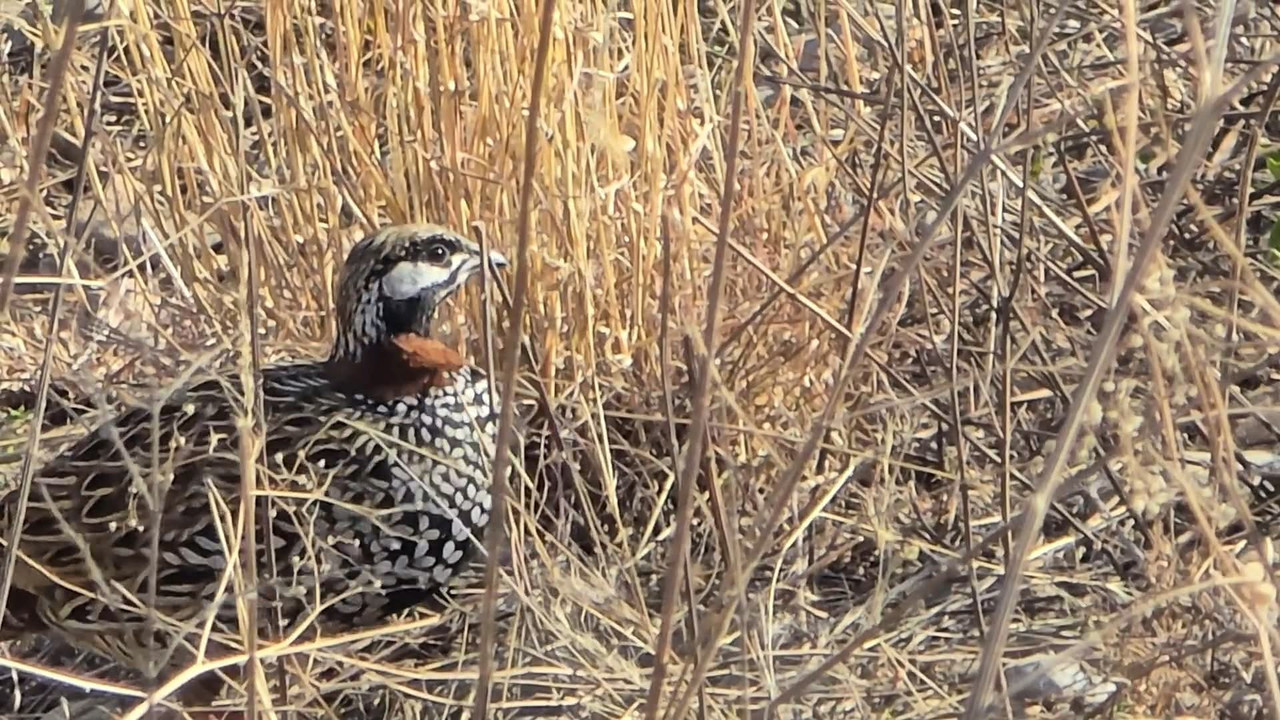
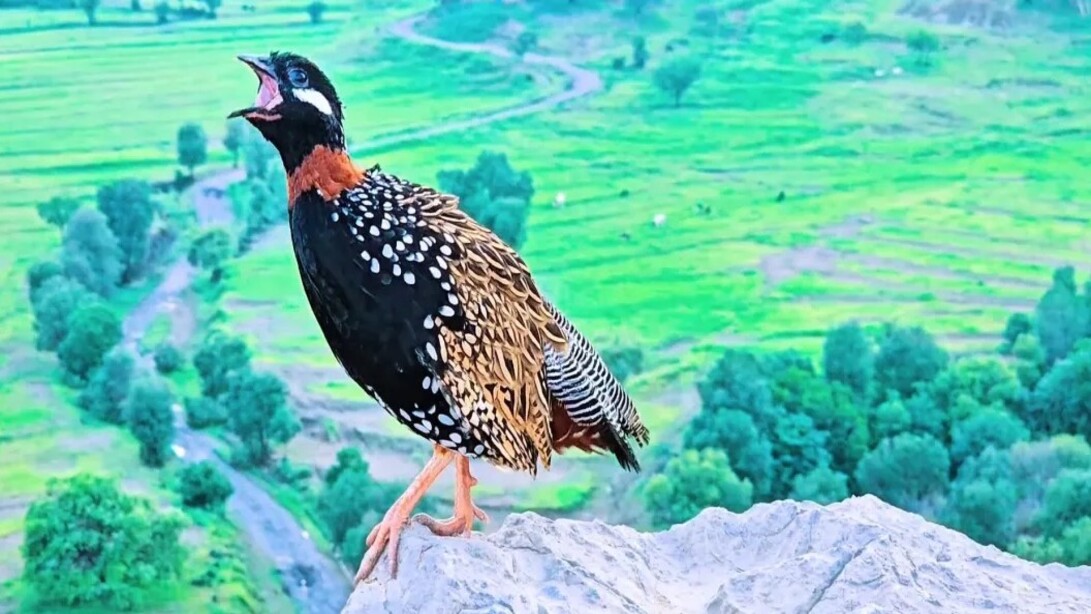
Partridges, including both Grey Partridges and Black Partridges, are ground-dwelling birds through and through. They don't perch in trees, they don't nest in trees, and you certainly won't find one sitting in a pear tree. In the wild, these birds live in open grasslands, farmlands, and scrubby fields. They feed on seeds and insects on the ground, build their nests hidden in tall grass or under bushes, and sleep on the earth — never up on a branch.

Their daily life involves walking and running through fields, taking short low flights only when startled, dust-bathing to keep their feathers clean, and foraging quietly in small groups. They are shy, ground-loving birds with strong legs built for movement on land, not for gripping tree branches.

🐦 The Truth About Partridges:
Live: On the ground, not in trees
Nest: Hidden in tall grass or under bushes
Sleep: On the earth, never on branches
Food: Seeds and insects found on the ground
Flight: Short and low, only when startled


So How Did the Pear Tree Association Even Start?

The song "The Twelve Days of Christmas" dates back to 18th-century England. The "partridge in a pear tree" was simply a symbolic and romantic gift, not a reflection of real bird behavior. Over time, the image stuck in popular culture, creating a widespread myth that many people still believe today.

📜 Fun Fact: The carol was originally a memory game for children, not an ornithological guide! The partridge was chosen for its symbolic value, not its tree-climbing abilities.


The Truth in One Line

Now you know the real deal. The next time someone hums that carol, you can smile and say:

"Beautiful song, but a partridge would much rather have a dust bath than a pear tree any day."

ناشپاتی کے درخت میں تیتر – حقیقت

اگر آپ نے کبھی مشہور کرسمس کا گانا "The Twelve Days of Christmas" سنا ہے تو آپ کو یہ سطر معلوم ہوگی: "کرسمس کے پہلے دن، میری محبوب نے مجھے ایک ناشپاتی کے درخت میں ایک تیتر دیا۔" یہ ایک خوبصورت، شاعرانہ منظر ہے۔ لیکن حقیقت یہ ہے: یہ صرف ایک گانے کا بول ہے، حقیقی زندگی نہیں۔


تیتر حقیقت میں کیا کرتے ہیں

زمین پر تیتر

زمین پر تیتر

تیتر، بشمول بھورے تیتر اور کالے تیتر، مکمل طور پر زمین پر رہنے والے پرندے ہیں۔ وہ درختوں پر نہیں بیٹھتے، وہ درختوں میں گھونسلا نہیں بناتے، اور آپ کو یقیناً کوئی بھی ناشپاتی کے درخت میں بیٹھا ہوا نہیں ملے گا۔ جنگل میں، یہ پرندے کھلے گھاس کے میدانوں، کھیتوں اور جھاڑی والے علاقوں میں رہتے ہیں۔ وہ زمین پر بیج اور کیڑے کھاتے ہیں، اپنے گھونسلے لمبی گھاس یا جھاڑیوں کے نیچے چھپا کر بناتے ہیں، اور زمین پر سوتے ہیں — کبھی کسی شاخ پر نہیں۔

ان کی روزمرہ کی زندگی میں کھیتوں میں چلنا اور دوڑنا، صرف خوفزدہ ہونے پر مختصر اونچی اڑان بھرنا، اپنے پروں کو صاف رکھنے کے لیے دھول میں نہانا، اور چھوٹے گروہوں میں خاموشی سے چارہ کرنا شامل ہے۔ وہ شرمیلے، زمین سے محبت کرنے والے پرندے ہیں جن کی مضبوط ٹانگیں زمین پر حرکت کے لیے بنی ہیں، درخت کی شاخوں کو پکڑنے کے لیے نہیں۔

🐦 تیتر کے بارے میں حقیقت:
رہائش: زمین پر، درختوں میں نہیں
گھونسلا: لمبی گھاس یا جھاڑیوں کے نیچے چھپا
نیند: زمین پر، کبھی شاخوں پر نہیں
خوراک: زمین پر ملنے والے بیج اور کیڑے
اڑان: مختصر اور نچلی، صرف خوفزدہ ہونے پر


تو ناشپاتی کے درخت کی نسبت کیسے شروع ہوئی؟

گانا "The Twelve Days of Christmas" 18ویں صدی کے انگلینڈ کا ہے۔ "ناشپاتی کے درخت میں تیتر" محض ایک علامتی اور رومانوی تحفہ تھا، نہ کہ حقیقی پرندے کے رویے کا عکس۔ وقت کے ساتھ، یہ تصویر مقبول ثقافت میں جم گئی، جس سے ایک وسیع افسانہ پیدا ہوا جس پر بہت سے لوگ آج بھی یقین رکھتے ہیں۔

📜 دلچسپ حقیقت: یہ گانا اصل میں بچوں کے لیے ایک یادداشت کا کھیل تھا، پرندوں کی رہنمائی نہیں! تیتر کو اس کی علامتی اہمیت کے لیے چنا گیا تھا، نہ کہ درختوں پر چڑھنے کی صلاحیت کے لیے۔


ایک سطر میں حقیقت

اب آپ کو اصل حقیقت معلوم ہو گئی۔ اگلی بار جب کوئی وہ گانا گنگنائے تو آپ مسکرا کر کہہ سکتے ہیں:

"خوبصورت گانا ہے، لیکن تیتر کسی بھی دن ناشپاتی کے درخت کے بجائے دھول میں نہانے کو ترجیح دے گا۔"

Read More

Friday, 10 July 2026

Published July 10, 2026 by with 0 comment

The Beautiful White Chukar: A Complete Guide

What is a White Chukar?

White Chukar

White Chukar

The White Chukar is a stunning pet and ornamental bird. It looks almost exactly like a normal Chukar Partridge, but its feathers are pure white. This is not a separate wild species; it is a special color type created by people. Breeders discovered a unique genetic change and carefully paired birds to create this snowy-white version. It has a plump, round body, a bright red beak, and pinkish-red legs that look amazing against the clean white feathers. Its eyes are not red like an albino, but a shiny black color that makes it look very smart and alert. Many bird lovers call it a "living pearl" because of its elegant, ghost-like beauty.


The History: Is It Wild or Human-Made?

White Chukar history

This bird is completely human-made and does not live in the wild. The original Chukar comes from the rocky, dry mountains of Asia and the Middle East, where its brown and gray feathers help it hide from danger. A very long time ago, bird breeders noticed some Chukars were born with pale, patchy feathers due to a natural glitch. By breeding these lighter birds together for many years, they removed the dark colors completely and made a fully white bird. If you put a pure white bird in the wild, a hawk or fox would spot it immediately and it would not survive. The White Chukar exists today only because people protect and breed it in safe aviaries and farms, making it a true success story of human care and selective breeding.


Where Do They Live Today?

You will find White Chukars on private farms and in backyard aviaries all over the world. They are very popular in the United States, the United Kingdom, and parts of the Middle East. They do not belong to one country or climate; instead, they live wherever a bird lover provides a safe and comfortable home. Many people keep them on hunting preserves, but just as many keep them simply to admire their beauty. They are very hardy birds that can handle cold winters and hot summers, just like their wild mountain cousins. If you search online bird groups, you can easily find breeders selling hatching eggs or young chicks. These birds are becoming a favorite for people who want something unique and eye-catching walking around their land.


What Do They Eat?

White Chukar feeding

Feeding a White Chukar is simple and not expensive. The main part of their daily meal is a high-quality "game bird feed," which you can easily buy at any farm supply store. Adult birds need a mix with around 16% to 20% protein to stay healthy and strong. From a very young age, baby chicks need a high-protein "starter crumble" with 28% to 30% protein to help them grow their white feathers fast. They also love fresh greens, like chopped lettuce, spinach, or clover from the garden. To help them digest their food, you must provide a small dish of hard, insoluble grit, such as crushed granite. Clean, fresh water must be available at all times, placed in a shallow dish so the birds can drink safely without any risk of drowning. A proper diet is the simple secret to keeping their white feathers bright and shiny.

🍽️ Quick Diet Guide for White Chukars:
Adult Feed: Game bird feed (16-20% protein)
Chick Feed: Starter crumble (28-30% protein)
Fresh Greens: Chopped lettuce, spinach, clover
Grit: Crushed granite for digestion
Water: Clean, fresh in shallow dish daily


How Do They Breed?

White Chukar breeding

The breeding time starts in spring, usually around April, and continues into the early summer. A healthy female, called a hen, is a very good egg layer and can surprise you with a large clutch. She will lay between 10 to 20 eggs in a simple nest she scratches out on the ground in a quiet corner. The hen sits on the eggs alone for about 23 to 24 days, rarely leaving the nest. The tiny chicks are born covered in soft down and are ready to walk and eat on their own almost immediately. They grow at an amazing speed and can reach their full size and beauty in just a few short months. Because the white color is a recessive gene, breeding two pure white parents will give you a 100% white and beautiful family every single time.

🥚 Breeding Quick Facts:
Season: April to early summer
Clutch Size: 10 to 20 eggs
Incubation: 23 to 24 days (hen only)
Chicks: Born with soft down, walk and eat immediately
Gene: Recessive white gene → 100% white offspring from two white parents


What Is Their Personality Like?

The White Chukar is a calm and very confident bird that enjoys walking on the ground with a proud, upright posture. Males can be a little bossy and protective, especially during the breeding months, but they are not aggressive to people. If raised gently from a chick, a Chukar can become quite tame and will happily come running when you bring their food. They are very clean birds and you will spend hours watching them take a dust bath, kicking up dry sand and soil into their feathers in a comical, joyful way. They make a distinct "chuk-chuk-chuk" sound, which is where their name comes from. They are strong flyers for short distances, so a covered aviary top is needed, but they prefer to stay on solid ground.


Do You Want to Raise These Beautiful White Chukars?

Now that you have read all about them, it's time to ask yourself a question. Do you have a safe, covered pen and the heart to care for a bird that relies completely on you? If so, you can easily start your journey by buying a few hatching eggs or a young pair from a trusted local breeder. Watching a pure white Chukar strut across a green grassy lawn on a sunny morning is a sight that never gets old. They will bring a sense of peace, elegance, and living art to your property. So, do you want to raise these beautiful White Chukars and add a real-life snowy jewel to your flock?

🕊️ "A living pearl" – The White Chukar awaits your love.

سفید چکور کیا ہے؟

سفید چکور

سفید چکور

سفید چکور ایک شاندار پالتو اور آرائشی پرندہ ہے۔ یہ تقریباً بالکل عام چکور کی طرح دکھتا ہے، لیکن اس کے پر مکمل طور پر سفید ہیں۔ یہ کوئی الگ جنگلی نسل نہیں ہے؛ یہ ایک خاص رنگ کی قسم ہے جو لوگوں نے بنائی ہے۔ نسل دینے والوں نے ایک منفرد جینیاتی تبدیلی دریافت کی اور اس برفیلے سفید ورژن کو بنانے کے لیے پرندوں کو احتیاط سے ملا دیا۔ اس کا ایک موٹا، گول جسم، چمکدار سرخ چونچ، اور گلابی سرخ ٹانگیں ہیں جو صاف سفید پروں کے خلاف شاندار نظر آتی ہیں۔ اس کی آنکھیں البینو کی طرح سرخ نہیں، بلکہ ایک چمکدار سیاہ رنگ کی ہیں جو اسے بہت ہوشیار اور چوکنا بناتی ہیں۔ بہت سے پرندوں سے محبت کرنے والے اس کی خوبصورت، بھوت جیسی خوبصورتی کی وجہ سے اسے "زندہ موتی" کہتے ہیں۔


تاریخ: یہ جنگلی ہے یا انسان کا بنایا ہوا؟

سفید چکور تاریخ

یہ پرندہ مکمل طور پر انسان کا بنایا ہوا ہے اور جنگل میں نہیں رہتا۔ اصلی چکور ایشیا اور مشرق وسطیٰ کے پتھریلے، خشک پہاڑوں سے آتا ہے، جہاں اس کے بھورے اور سرمئی پر خطرے سے چھپنے میں مدد کرتے ہیں۔ بہت عرصہ پہلے، پرندوں کے نسل دینے والوں نے دیکھا کہ کچھ چکور قدرتی خرابی کی وجہ سے ہلکے، دھبوں والے پروں کے ساتھ پیدا ہوئے تھے۔ ان ہلکے پرندوں کو کئی سالوں تک ملا کر، انہوں نے گہرے رنگوں کو مکمل طور پر ہٹا دیا اور ایک مکمل سفید پرندہ بنایا۔ اگر آپ ایک خالص سفید پرندے کو جنگل میں چھوڑیں تو ایک باز یا لومڑی اسے فوری طور پر دیکھ لے گی اور وہ زندہ نہیں رہے گا۔ سفید چکور آج صرف اس لیے موجود ہے کیونکہ لوگ اسے محفوظ اشتہانوں اور فارموں میں محفوظ رکھتے اور پالتے ہیں، جو اسے انسانی دیکھ بھال اور منتخب افزائش کی ایک حقیقی کامیابی کی کہانی بناتا ہے۔


وہ آج کہاں رہتے ہیں؟

آپ کو سفید چکور دنیا بھر میں نجی فارموں اور گھریلو اشتہانوں میں ملیں گے۔ وہ ریاستہائے متحدہ، برطانیہ اور مشرق وسطیٰ کے کچھ حصوں میں بہت مشہور ہیں۔ وہ کسی ایک ملک یا آب و ہوا سے تعلق نہیں رکھتے؛ اس کے بجائے، وہ جہاں بھی کوئی پرندوں سے محبت کرنے والا محفوظ اور آرام دہ گھر فراہم کرتا ہے وہاں رہتے ہیں۔ بہت سے لوگ انہیں شکار کے محفوظ علاقوں میں رکھتے ہیں، لیکن اتنے ہی لوگ انہیں محض ان کی خوبصورتی کی تعریف کرنے کے لیے رکھتے ہیں۔ وہ بہت سخت جان پرندے ہیں جو سردیوں اور گرم گرمیوں کو برداشت کر سکتے ہیں، بالکل اپنے جنگلی پہاڑی کزنوں کی طرح۔ اگر آپ آن لائن پرندوں کے گروپس میں تلاش کریں تو آپ کو آسانی سے انڈے یا نوجوان چوزے بیچنے والے نسل دینے والے مل جائیں گے۔ یہ پرندے ان لوگوں کے لیے پسندیدہ بن رہے ہیں جو اپنی زمین پر چلتے ہوئے کچھ منفرد اور دلکش چاہتے ہیں۔


وہ کیا کھاتے ہیں؟

سفید چکور خوراک

سفید چکور کو کھانا کھلانا آسان اور مہنگا نہیں ہے۔ ان کی روزانہ خوراک کا اہم حصہ اعلیٰ معیار کا "گیم برڈ فیڈ" ہے، جو آپ کسی بھی فارم سپلائی اسٹور سے آسانی سے خرید سکتے ہیں۔ بالغ پرندوں کو صحت مند اور مضبوط رہنے کے لیے تقریباً 16% سے 20% پروٹین والا مکسچر چاہیے۔ بہت چھوٹی عمر سے، بچوں کو اپنے سفید پر تیزی سے بڑھانے کے لیے 28% سے 30% پروٹین والے "اسٹارٹر کرمبل" کی ضرورت ہوتی ہے۔ وہ تازہ سبزیاں بھی پسند کرتے ہیں، جیسے کٹی ہوئی سلاد، پالک، یا باغ سے تازہ گھاس۔ ان کی خوراک ہضم کرنے میں مدد کے لیے، آپ کو سخت، ناقابل حل گریٹ کا ایک چھوٹا سا برتن فراہم کرنا چاہیے، جیسے کرشڈ گرینائٹ۔ صاف، تازہ پانی ہر وقت دستیاب ہونا چاہیے، ایک اتلی ڈش میں رکھا ہوا تاکہ پرندے بغیر کسی خطرے کے محفوظ طریقے سے پی سکیں۔ مناسب خوراک ان کے سفید پروں کو چمکدار اور چمکدار رکھنے کا آسان راز ہے۔

🍽️ سفید چکور کے لیے خوراک کی فوری رہنمائی:
بالغ خوراک: گیم برڈ فیڈ (16-20% پروٹین)
بچوں کی خوراک: اسٹارٹر کرمبل (28-30% پروٹین)
تازہ سبزیاں: کٹی ہوئی سلاد، پالک، گھاس
گریٹ: کرشڈ گرینائٹ ہضم کے لیے
پانی: روزانہ اتلی ڈش میں تازہ، صاف


وہ کیسے افزائش کرتے ہیں؟

سفید چکور افزائش

افزائش کا وقت موسم بہار میں شروع ہوتا ہے، عام طور پر اپریل کے آس پاس، اور ابتدائی موسم گرما تک جاری رہتا ہے۔ ایک صحت مند مادہ، جسے ہین کہا جاتا ہے، بہت اچھی انڈے دینے والی ہوتی ہے اور بڑے کلچ کے ساتھ آپ کو حیران کر سکتی ہے۔ وہ ایک سادہ گھونسلے میں 10 سے 20 انڈے دیتی ہے جو وہ ایک پرسکون کونے میں زمین پر کھرچ کر بناتی ہے۔ مادہ تقریباً 23 سے 24 دن تک اکیلے انڈوں پر بیٹھتی ہے، شاذ و نادر ہی گھونسلا چھوڑتی ہے۔ چھوٹے چوزے نرم نیچے سے ڈھکے پیدا ہوتے ہیں اور تقریباً فوری طور پر خود چلنے اور کھانے کے لیے تیار ہوتے ہیں۔ وہ حیرت انگیز رفتار سے بڑھتے ہیں اور صرف چند مختصر مہینوں میں اپنی پوری جسامت اور خوبصورتی تک پہنچ سکتے ہیں۔ چونکہ سفید رنگ ایک غیر غالب جین ہے، دو خالص سفید والدین کی افزائش سے آپ کو ہر بار 100% سفید اور خوبصورت خاندان ملے گا۔

🥚 افزائش کی فوری معلومات:
موسم: اپریل سے ابتدائی موسم گرما
کلچ کا سائز: 10 سے 20 انڈے
انکیوبیشن: 23 سے 24 دن (صرف مادہ)
چوزے: نرم نیچے کے ساتھ پیدا ہوتے ہیں، فوری چلنے اور کھانے کے قابل
جین: غیر غالب سفید جین → دو سفید والدین سے 100% سفید اولاد


ان کی شخصیت کیسی ہے؟

سفید چکور ایک پرسکون اور بہت پراعتماد پرندہ ہے جو زمین پر فخر، سیدھی کرنسی کے ساتھ چلنا پسند کرتا ہے۔ نر تھوڑے بدمزاج اور حفاظتی ہو سکتے ہیں، خاص طور پر افزائش کے مہینوں کے دوران، لیکن وہ لوگوں کے ساتھ جارحانہ نہیں ہوتے۔ اگر بچپن سے نرمی سے پالا جائے تو چکور کافی پالتو بن سکتا ہے اور جب آپ ان کا کھانا لے کر آئیں گے تو خوشی سے دوڑ کر آئیں گے۔ وہ بہت صاف پرندے ہیں اور آپ گھنٹوں انہیں دھول میں نہاتے ہوئے دیکھیں گے، ایک مزاحیہ، خوش کن انداز میں اپنے پروں میں خشک ریت اور مٹی اڑاتے ہوئے۔ وہ ایک مخصوص "چک-چک-چک" کی آواز نکالتے ہیں، جہاں سے ان کا نام آیا ہے۔ وہ مختصر فاصلے کے لیے مضبوط اڑنے والے ہیں، اس لیے ڈھکے ہوئے اشتہان کی ضرورت ہے، لیکن وہ ٹھوس زمین پر رہنے کو ترجیح دیتے ہیں۔


کیا آپ یہ خوبصورت سفید چکور پالنا چاہتے ہیں؟

اب جب کہ آپ نے ان کے بارے میں سب کچھ پڑھ لیا ہے، تو اب وقت ہے کہ اپنے آپ سے ایک سوال پوچھیں۔ کیا آپ کے پاس ایک محفوظ، ڈھکا ہوا باڑہ ہے اور ایک پرندے کی دیکھ بھال کرنے کا دل ہے جو مکمل طور پر آپ پر منحصر ہے؟ اگر ایسا ہے تو، آپ کسی بھروسہ مند مقامی نسل دینے والے سے چند انڈے یا ایک نوجوان جوڑا خرید کر آسانی سے اپنا سفر شروع کر سکتے ہیں۔ ایک دھوپ والی صبح ایک سرسبز گھاس کے لان میں ایک خالص سفید چکور کو چلتے دیکھنا ایک ایسا منظر ہے جو کبھی پرانا نہیں ہوتا۔ وہ آپ کی جائیداد میں سکون، خوبصورتی اور زندہ آرٹ کا احساس لائیں گے۔ تو، کیا آپ ان خوبصورت سفید چکوروں کو پالنا چاہتے ہیں اور اپنے ریوڑ میں ایک حقیقی برفیلے قیمتی جوہر کا اضافہ کرنا چاہتے ہیں؟

🕊️ "زندہ موتی" – سفید چکور آپ کی محبت کا منتظر ہے۔

Read More

Wednesday, 8 July 2026

Published July 08, 2026 by with 0 comment

The Morning the Eggs Started Talking || Important for Birds Owner

The partridge cage was too quiet that morning. That was the first sign something had changed. For 24 days, the silence had been my only company. Every morning, I walked slowly to the partridge cage, hoping to see a small crack in those spotted, peach-colored eggs. But morning after morning, nothing. Just smooth eggs and my own worried breathing.

But today was different.

Before I even got close, I heard it. Peep-peep-peep. A tiny sound, sharp and high, like a little squeak. I stopped walking right there. My heart jumped. I was afraid to breathe too loud, scared I would break the magic.

Then I looked into the partridge cage.

Newly hatched chick

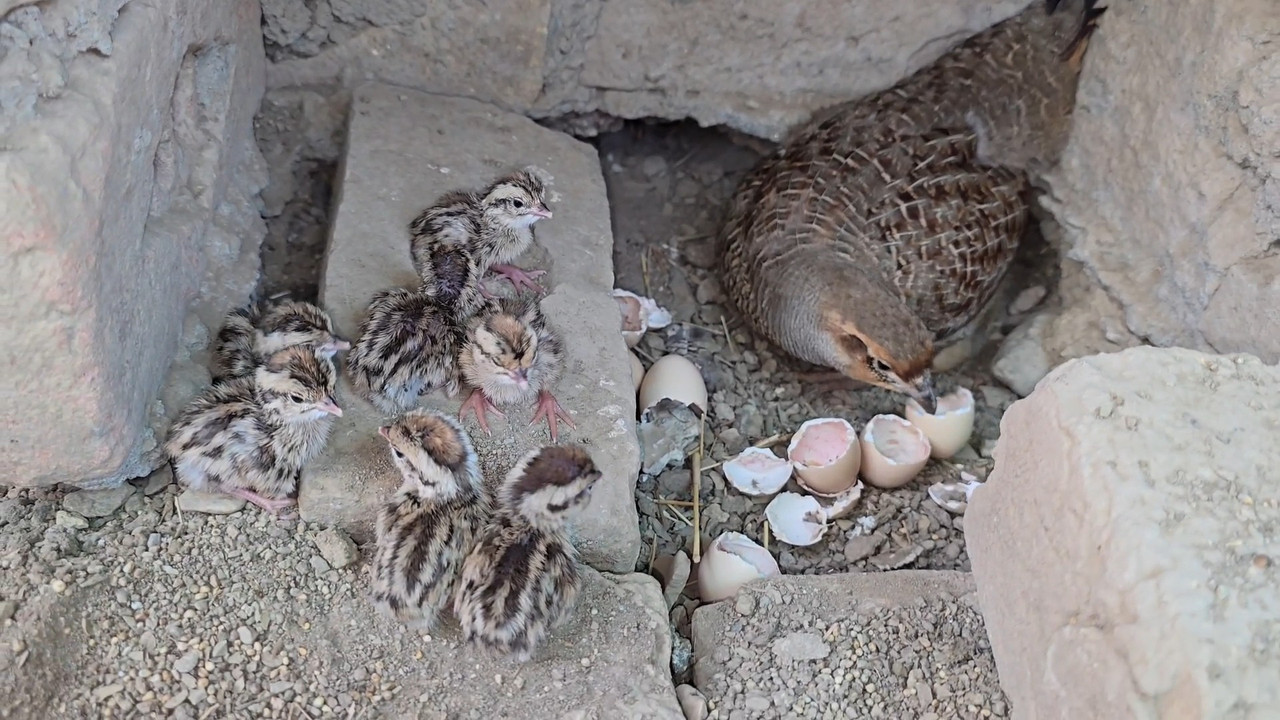
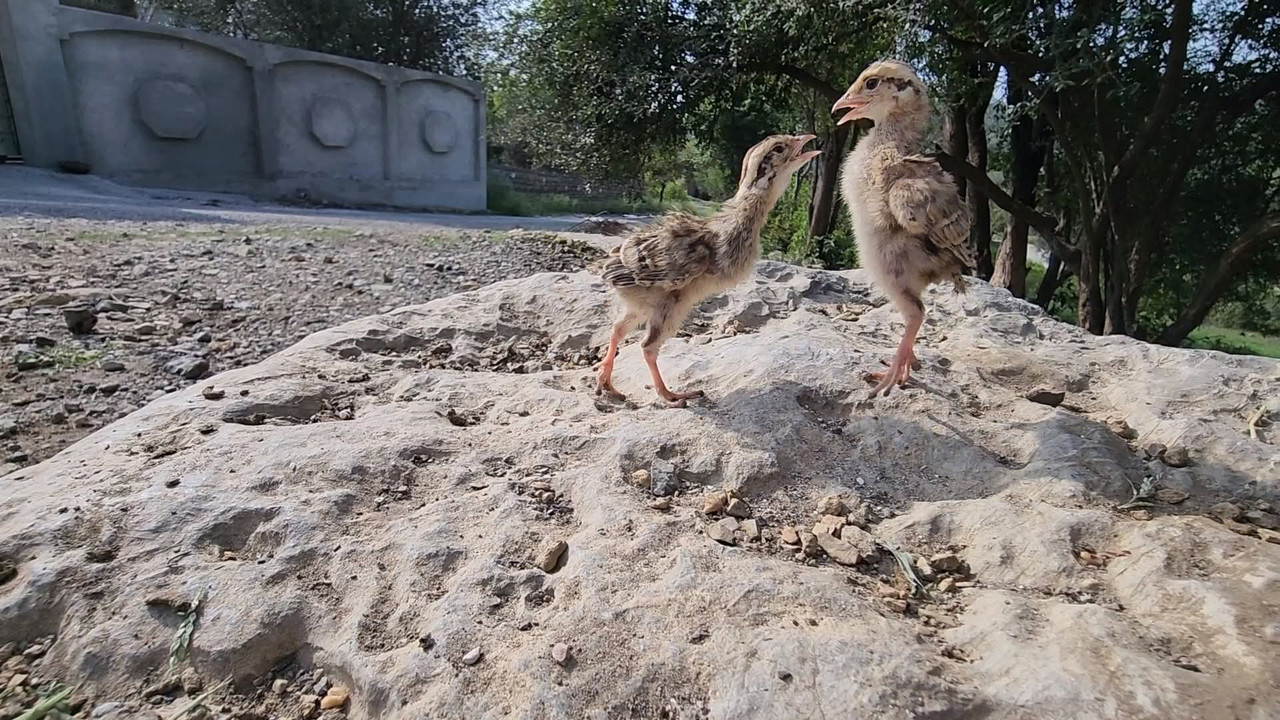
Everything changed. Where the smooth eggs used to be, there was now a messy, fluffy pile. Tiny baby partridge chicks. Their little beaks were opening and closing. Their eyes were still shut tight. Their legs were new and shaky, like they didn't know how to stand yet. They tumbled over each other, a beautiful mess of wet feathers and new life.

📹 Watch Video: Partridge Chicks Hatching - Click Here

And sitting right there in the middle was the proud partridge mother. Her chest was puffed up big. Her feathers were still ruffled from all the hard work through the night. She looked tired but strong. She had done the real job. I had only stood guard.

All my weeks of worry melted away. Was the heat right? Was the air too dry? Did I turn the eggs enough? It didn't matter now. One of the tiny partridge chicks lifted its wobbly head and looked right at me. It was as if it was saying, "See? We did it."

I felt joy, like a proud parent. And wonder, like a lucky person who got to watch a secret. These partridge chicks were wild at heart, born in a simple partridge cage because someone believed they would make it.

Chicks with mother
Newborn chick
Partridge chicks

It is hard to explain that feeling. It comes when patience finally pays off and hope turns into something real and breathing. Standing there in the dusty morning light, I understood I was not just checking eggs anymore. I was welcoming brand new lives into our little corner of the world.

Yes, it felt like a big success. But more than that, it felt like being connected to something much bigger. Life is fragile. Life is tiny. But it fights hard, and somehow, it always finds a way.

Today, the partridge cage is not just a cage anymore. It is a nursery. And my morning routine will never be the same again.


💬 Question for You

Have you ever waited a long time for something special to happen? What was it like when it finally did?

اس صبح تیتر کا پنجرا بہت خاموش تھا۔ یہ پہلی علامت تھی کہ کچھ بدل گیا ہے۔ 24 دنوں سے خاموشی میری واحد ساتھی تھی۔ ہر صبح، میں آہستہ آہستہ تیتر کے پنجرے کی طرف جاتا، امید کرتا کہ ان دھبوں والے، آڑو رنگ کے انڈوں میں ایک چھوٹی سی دراڑ دیکھوں گا۔ لیکن صبح کے بعد صبح، کچھ نہیں۔ صرف ہموار انڈے اور میری اپنی پریشان سانس۔

لیکن آج کا دن مختلف تھا۔

قریب آنے سے پہلے ہی، میں نے اسے سنا۔ پِیپ پِیپ پِیپ۔ ایک چھوٹی سی آواز، تیز اور بلند، ایک چھوٹی سی چیخ کی طرح۔ میں نے وہیں چلنا روک دیا۔ میرا دل اچھل گیا۔ میں نے زور سے سانس لینے سے ڈر لگا، ڈر تھا کہ کہیں میں جادو نہ توڑ دوں۔

پھر میں نے تیتر کے پنجرے میں دیکھا۔

نیا نکلا چوزہ

سب کچھ بدل گیا۔ جہاں ہموار انڈے ہوتے تھے، اب وہاں ایک بکھرا ہوا، پھولا ہوا ڈھیر تھا۔ چھوٹے چھوٹے تیتر کے بچے۔ ان کی چھوٹی چونچیں کھل رہی تھیں اور بند ہو رہی تھیں۔ ان کی آنکھیں ابھی تک مضبوطی سے بند تھیں۔ ان کی ٹانگیں نئی اور لرزتی ہوئی تھیں، جیسے وہ ابھی کھڑے ہونا نہیں جانتے۔ وہ ایک دوسرے پر گر رہے تھے، گیلے پروں اور نئی زندگی کا ایک خوبصورت انتشار۔

📹 ویڈیو دیکھیں: تیتر کے بچے نکلتے ہوئے - یہاں کلک کریں

اور بالکل درمیان میں فخر سے تیتر ماں بیٹھی تھی۔ اس کا سینہ بڑا پھولا ہوا تھا۔ اس کے پر رات بھر کی محنت سے ابھی تک بکھرے ہوئے تھے۔ وہ تھکی ہوئی لیکن مضبوط لگ رہی تھی۔ اس نے اصل کام کیا تھا۔ میں نے صرف پہرہ دیا تھا۔

میری ہفتوں کی پریشانی ختم ہو گئی۔ کیا گرمی صحیح تھی؟ کیا ہوا بہت خشک تھی؟ کیا میں نے انڈوں کو کافی گھمایا؟ اب اس سے کوئی فرق نہیں پڑتا تھا۔ ایک چھوٹے تیتر کے بچے نے اپنا لرزتا ہوا سر اٹھایا اور سیدھا میری طرف دیکھا۔ ایسا تھا جیسے یہ کہہ رہا ہو، "دیکھا؟ ہم نے کر دکھایا۔"

مجھے خوشی محسوس ہوئی، ایک فخر کرنے والے والدین کی طرح۔ اور حیرت، ایک خوش قسمت شخص کی طرح جسے ایک راز دیکھنے کا موقع ملا۔ یہ تیتر کے بچے دل سے جنگلی تھے، ایک سادہ تیتر کے پنجرے میں پیدا ہوئے کیونکہ کسی کو یقین تھا کہ وہ زندہ رہیں گے۔

ماں کے ساتھ بچے
نیا نکلا چوزہ
تیتر کے بچے

اس احساس کی وضاحت کرنا مشکل ہے۔ یہ اس وقت آتا ہے جب صبر آخر کار رنگ لاتا ہے اور امید حقیقی اور سانس لیتی ہوئی چیز میں بدل جاتی ہے۔ دھول بھری صبح کی روشنی میں کھڑے ہوئے، میں سمجھ گیا کہ میں اب صرف انڈے نہیں چیک کر رہا تھا۔ میں اپنی دنیا کے اس چھوٹے سے کونے میں نئی نئی زندگیوں کا استقبال کر رہا تھا۔

جی ہاں، یہ ایک بڑی کامیابی کی طرح محسوس ہوا۔ لیکن اس سے بھی بڑھ کر، یہ کسی بہت بڑی چیز سے جڑے ہونے کی طرح محسوس ہوا۔ زندگی نازک ہے۔ زندگی چھوٹی ہے۔ لیکن یہ بہت محنت کرتی ہے، اور کسی نہ کسی طرح، یہ ہمیشہ راستہ تلاش کر لیتی ہے۔

آج، تیتر کا پنجرا اب صرف ایک پنجرا نہیں ہے۔ یہ ایک نرسری ہے۔ اور میرا صبح کا معمول کبھی پہلے جیسا نہیں رہے گا۔


💬 آپ کے لیے سوال

کیا آپ نے کبھی کسی خاص چیز کے لیے لمبا انتظار کیا ہے؟ جب آخر کار وہ ہوا تو کیسا لگا؟

Read More