
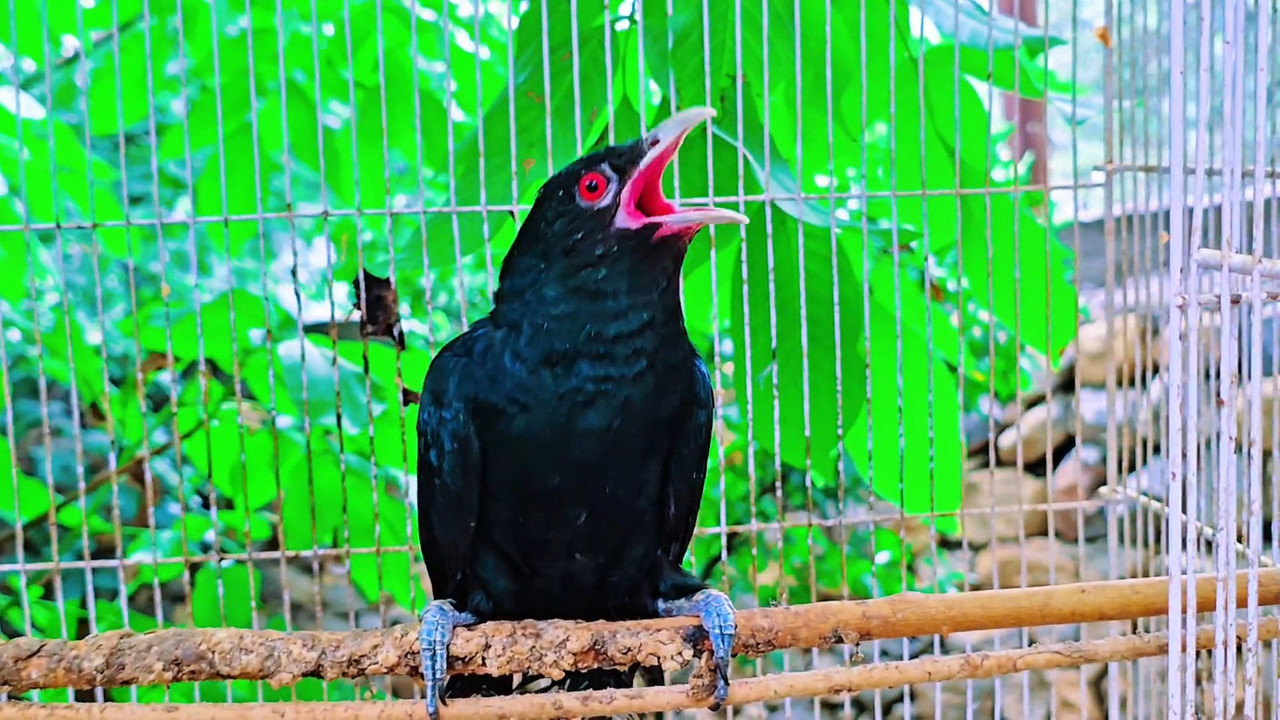
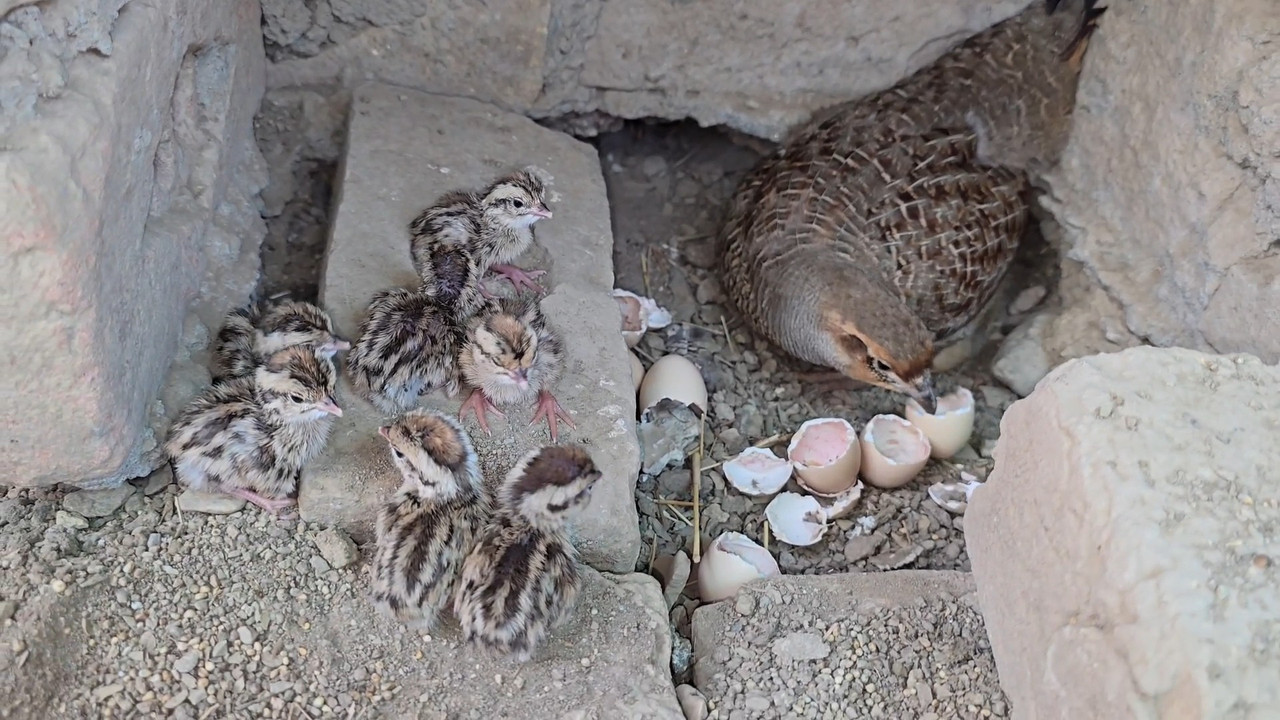
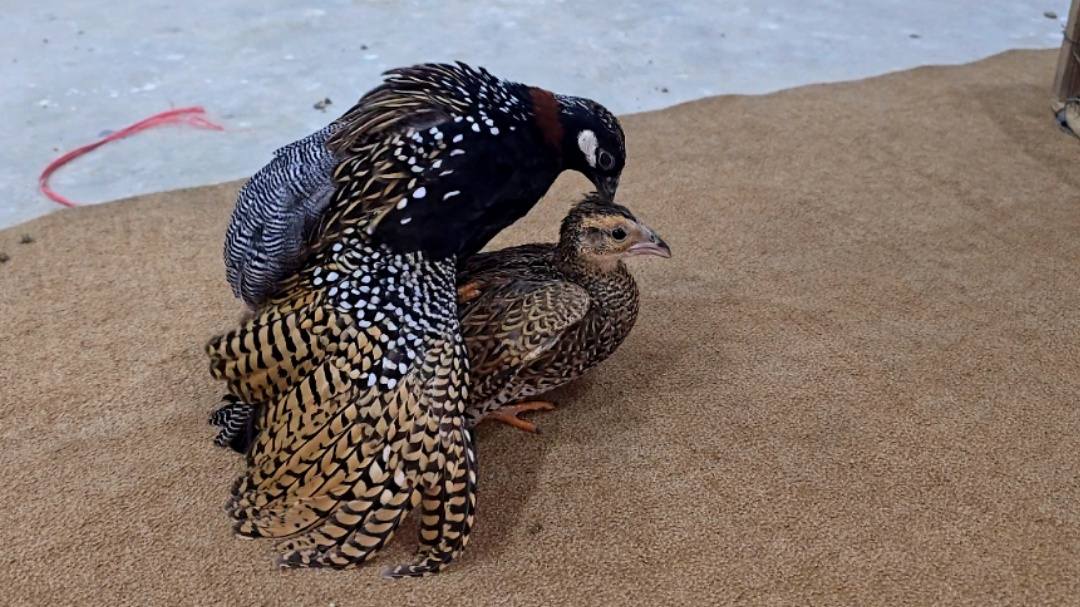
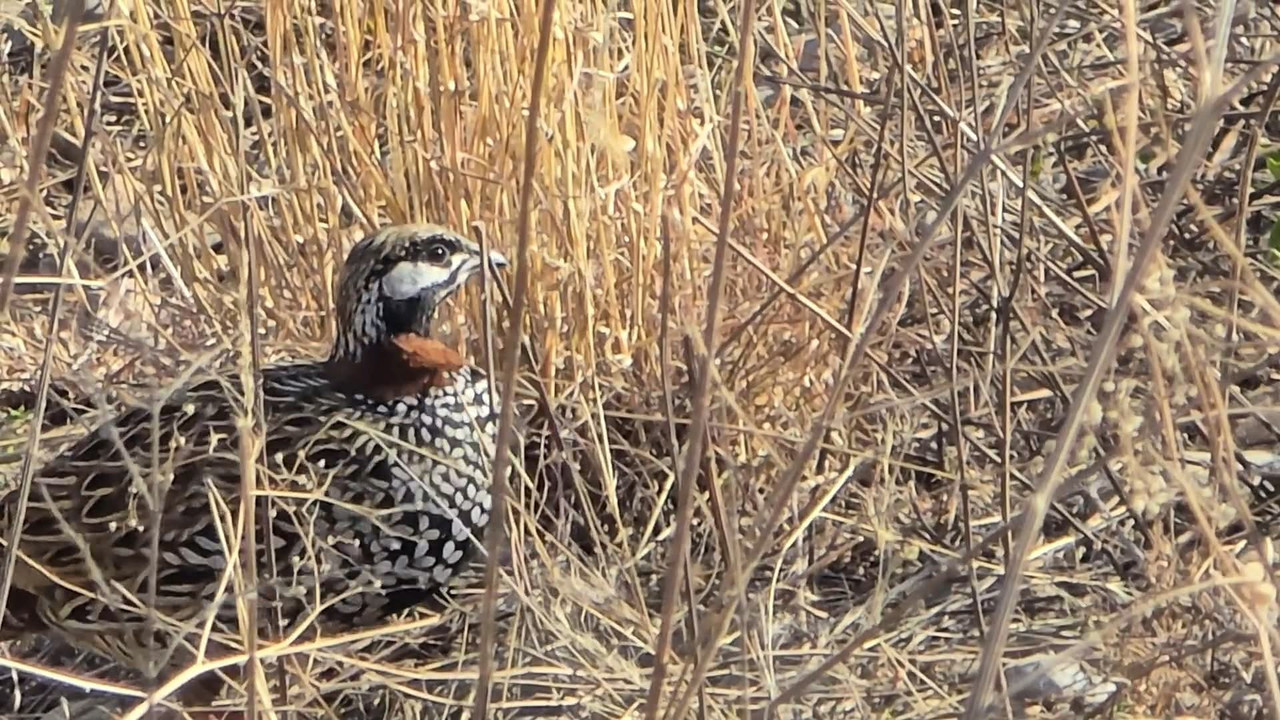
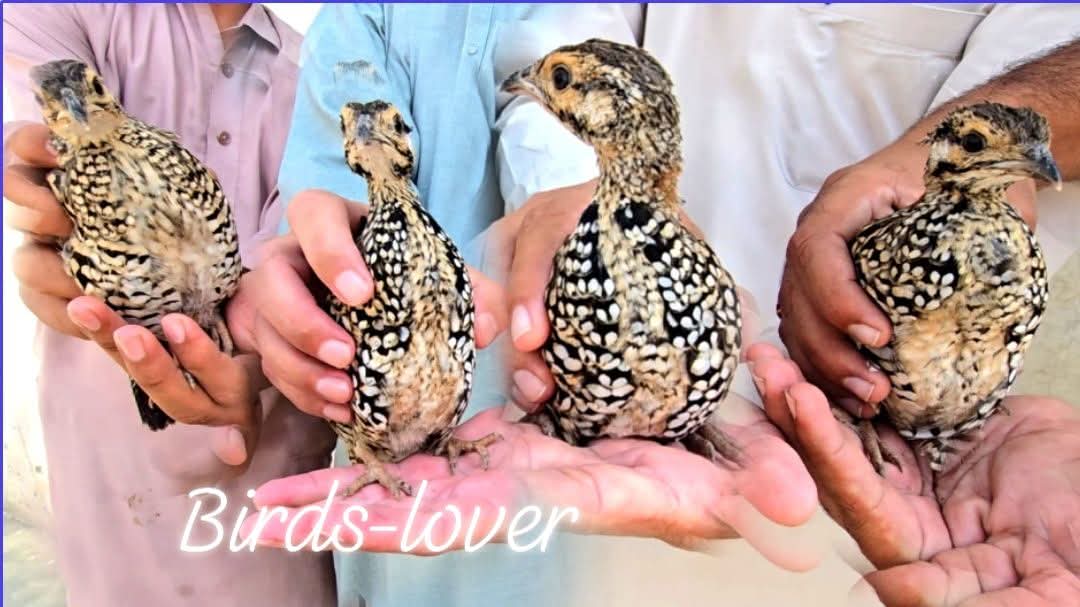
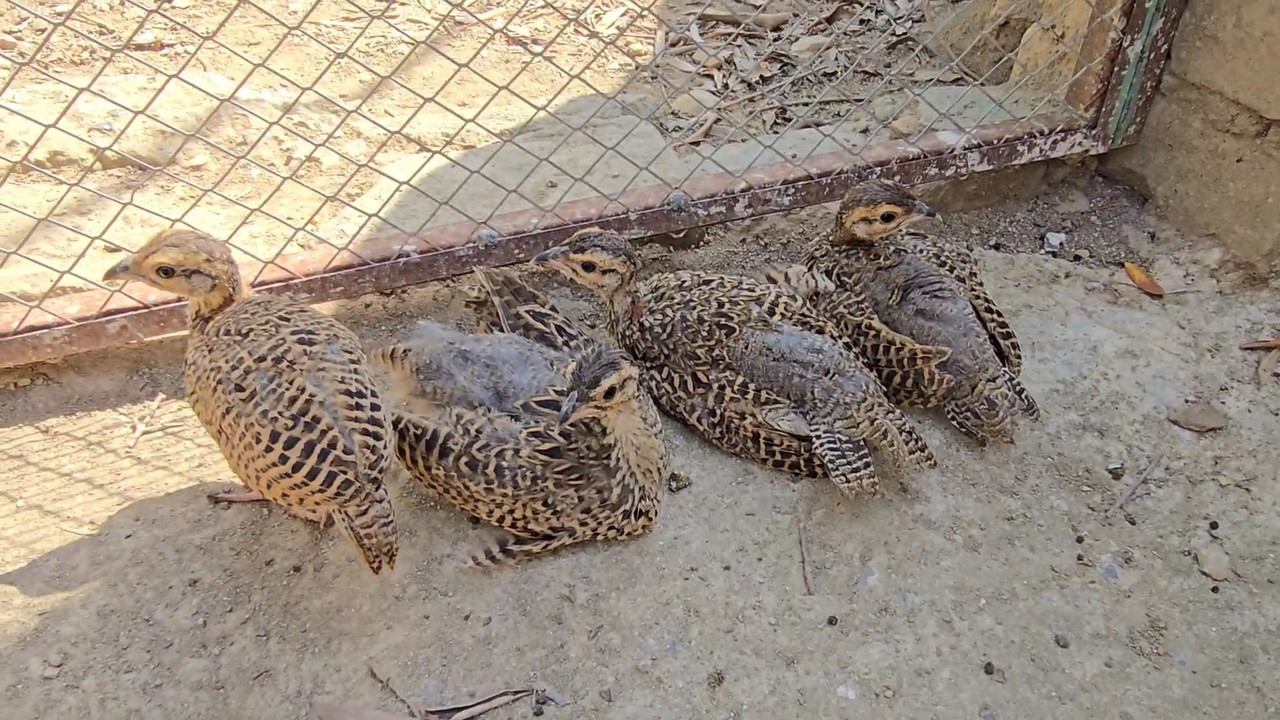
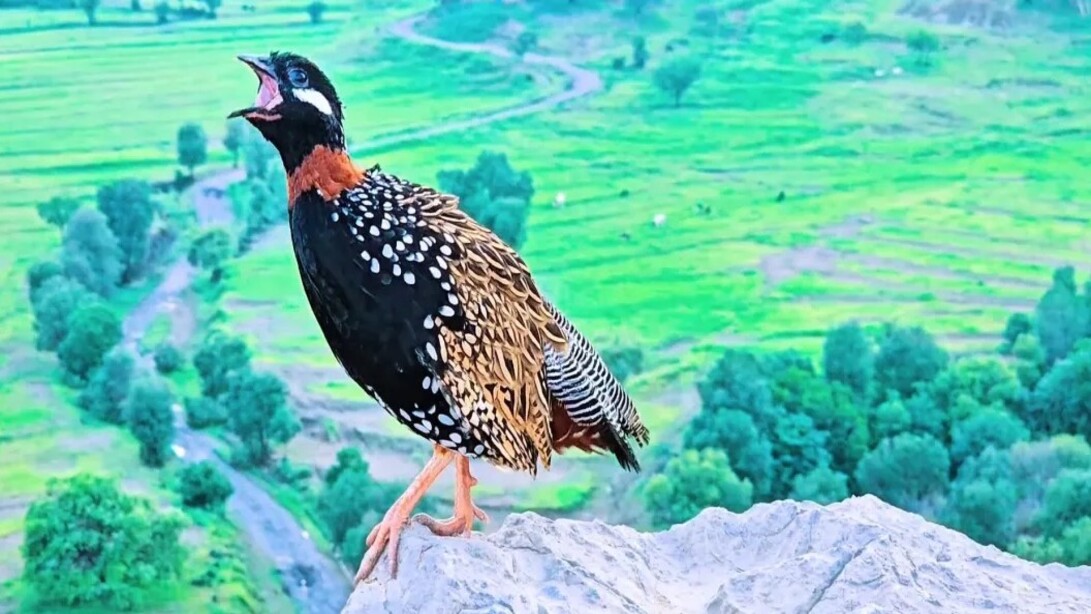
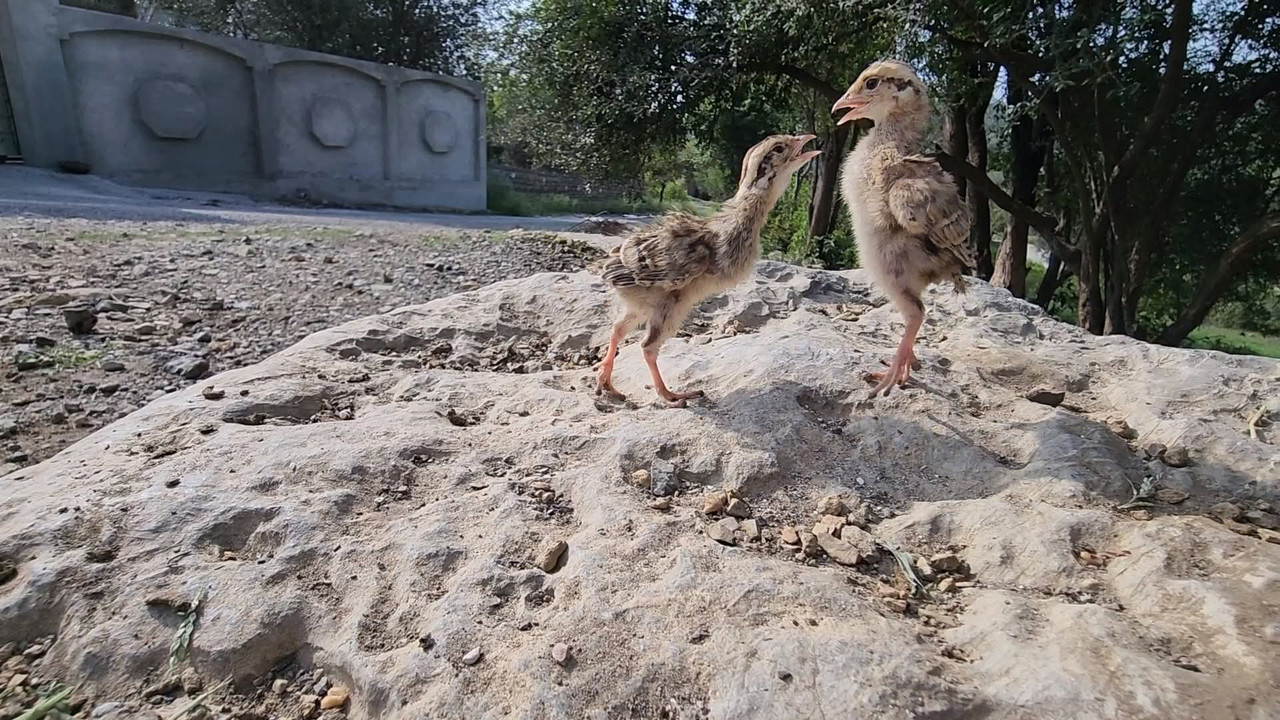
Whether you are thinking about getting a Chukar or you already have one sitting in your yard right now, you are in the right place. In this post I am going to share a complete beginner's guide to keeping a Chukar Partridge — based on my own personal experience of more than 20 years of keeping partridges, francolins and other pet birds. This is not just theory — everything I share here comes from real hands on experience so you can trust that it actually works.
Introduction

Cage & Setup
For a Single Chukar (Male or Female)
If you are keeping just one Chukar, the cage should be at least 5 feet tall and 5 feet wide. Chukars are active birds and they need room to move, stretch and feel comfortable. A cage smaller than this will stress the bird out quickly and a stressed Chukar is not a happy one.
Most dedicated Chukar keepers also keep a second smaller cage — a lightweight one with a handle that makes it easy to carry. This is used when you take your bird out for a walk or want to move it temporarily. It is a simple thing but if you are serious about keeping a Chukar you will find yourself using it all the time.
Inside whichever cage your bird is in, make sure there are permanent small cups fixed to the cage for water and feed — not just placed on the floor. Cups that are attached stay clean longer, do not tip over and make your daily routine much easier.


For a Breeding Pair
If you are keeping a male and female together for breeding, the enclosure needs to be significantly larger. The minimum I would recommend is 10 to 12 feet tall and 10 feet wide. This size is not just about comfort — it is about giving the pair enough space to mate naturally and behave the way they are meant to behave.
The extra space is especially important for the female. When it is time to lay eggs, the female will actively look for a hidden and private spot away from the male. She does not want to be disturbed while laying and she will try to keep her nest hidden so the male cannot find her. This is completely natural behaviour — in the wild, Chukars lay and incubate their eggs tucked away in rocky areas with thick cover around them.
To support this, place a few flat rocks or stones inside the enclosure and around them add some low bushes or dense cover — just enough that the female can slip inside but the male cannot easily follow. This gives her the security she needs to lay and incubate her eggs comfortably. When a female feels safe and hidden, she settles into incubation properly and the whole breeding process goes much more smoothly.
Food & Diet
Green Leaves
The first thing I always tell new Chukar keepers is — give your bird some greenery. Chukars absolutely love green leaves and fresh greens give them a natural energy that you can actually see in how they move and behave. My personal preference is green spinach. It is easy to find, the birds love it and it does them a lot of good.
⚠️ Important: If you are buying spinach or any greens from the market, wash them very thoroughly before giving them to your bird. Market vegetables are often sprayed with pesticides and those chemicals can seriously harm your Chukar. I always wash the leaves well to remove any mud, germs or spray residue before putting them in the cage. It only takes a minute but it can save your bird's life.
Pearl Millet
The second thing I recommend is Pearl Millet seeds. They are a clean, natural grain that Chukars eat well and digest easily. Make sure the seeds are clean before you put them in the feed cup.
Water
Now here is something that surprises a lot of people. In the wild, Chukars are not big water drinkers at all. They can go 24 to 48 hours without drinking and in their natural rocky habitat they rarely seek out water the way other birds do.
But when you are keeping a Chukar as a pet, that changes. Your bird is depending entirely on you and you should make sure the water cup is filled and fresh every single day. Even if your bird does not drink much, the water should always be there and it should always be clean. Never let the cup run dry and never leave old or dirty water sitting in it.
💧 Note: Do not give your Chukar ice cold water. Cold water can make them sick and give them a chill, especially in cooler weather. Always give them water that is at normal room temperature. It is a small detail but it matters more than most people think.
Can a Wild Chukar Really Be Tamed?
People often ask me — can a Chukar really be tamed? And my answer is always the same. Every single bird can be tamed. I have seen it over and over again in more than 20 years of keeping birds. The bird is not the problem. The approach is.
The real secret of taming a Chukar is something that no product or technique can replace — and that is love. Think about the way a parent treats a newborn baby. That patience, that gentleness, that willingness to just be there without asking anything in return. That is exactly the energy you need to bring to your Chukar.
Start by simply spending time near the cage. Sit with your bird. Let it see you, hear you and get used to your presence. Talk to it — yes, talk to it. It sounds simple but it works. Your voice becomes familiar and familiar things stop being scary. Over time your bird will stop running to the far corner when you come close and will start moving towards you instead.
The truth is that for a real Chukar lover, this bird is not just a bird. It means something. It is a relationship you build slowly, day by day, with patience and genuine care. And when that bond forms — when your Chukar walks up to you, calls out to you, and wants to be near you — there is no feeling quite like it.
💚 Give your bird love and it will give it back to you. That is not just advice. That is experience talking.
Important Tips
Watch the Heat
The Chukar is not a bird built for high temperatures. In the wild they are found in cold mountainous regions — high altitudes, cool air, rocky terrain. Heat is not their natural environment and you need to keep that in mind if you are keeping them in a warm climate.
According to bird health guidelines, 52 degrees Celsius is considered the danger zone for Chukars — but do not let that number fool you into thinking anything below it is fine. High temperatures affect them well before that point. If you are keeping your Chukar in a hot area, make sure their cage has a shaded and cooler section where they can retreat. And if the heat is serious, place a cooler near the outside of the cage to bring the temperature down.
Never Force Your Chukar Into Your Hands
⚠️ CRITICAL WARNING: When a Chukar is grabbed forcefully it goes into a state of shock and stress. This can trigger loose droppings almost immediately. And what most beginners do not realise is that if this continues, it can actually kill the bird. It is not an exaggeration — I have seen it happen. Never force your hands on your Chukar. Let the taming process happen naturally, at the bird's own pace.
How to Handle Your Chukar When You Have To
If your Chukar is tamed and comfortable with you, going near it and picking it up is fine. But if your bird is not yet tamed and you need to move it — for example shifting it to another cage — never try to catch it in full light. A Chukar that can see everything around it will panic, flap hard and fight you.
The right way to do it is in the dark or very low light. In the dark a Chukar cannot see clearly, so it does not fully register what is happening around it. This means it stays calm and does not panic or fight back. This makes it much safer to pick up — for the bird and for you.
🦚 I hope this guide helped you and gave you a clearer picture of what it takes to keep a Chukar Partridge the right way. If you found it useful or if you have any questions, drop a comment below — I would love to hear from you. There is a lot more coming on Chukars and other pet birds, so stay tuned and keep visiting. See you in the next post!
اگر آپ چکور پالنے کے بارے میں سوچ رہے ہیں یا پہلے سے آپ کے پاس ایک چکور موجود ہے تو آپ بالکل صحیح جگہ پر ہیں۔ اس تحریر میں میں آپ کو چکور پالنے کی مکمل رہنمائی دوں گا — اور یہ رہنمائی میرے اپنے بیس سال سے زیادہ کے تجربے پر مبنی ہے جس میں میں نے چکور، فرنکولن اور دیگر پرندے پالے ہیں۔ یہ محض کتابی باتیں نہیں — یہ سب کچھ میں نے خود آزما کر سیکھا ہے اس لیے آپ اس پر بھروسہ کر سکتے ہیں۔
تعارف
پنجرہ اور انتظام
اکیلا چکور (نر یا مادہ)
اگر آپ صرف ایک چکور پال رہے ہیں تو پنجرے کا حجم کم از کم پانچ فٹ اونچا اور پانچ فٹ چوڑا ہونا چاہیے۔ چکور ایک چست اور متحرک پرندہ ہے جسے حرکت کرنے، پھیلنے اور سکون سے رہنے کے لیے کافی جگہ چاہیے۔ اس سے چھوٹا پنجرہ پرندے کو بے چین کر دیتا ہے اور بے چین چکور خوش نہیں رہتا۔
زیادہ تر چکور پالنے والے ایک چھوٹا پنجرہ بھی ساتھ رکھتے ہیں — ہلکا پھلکا، ہتھے والا — جسے آسانی سے اٹھا کر کہیں بھی لے جایا جا سکے۔ یہ اس وقت کام آتا ہے جب آپ پرندے کو سیر کرانا چاہیں یا کسی وجہ سے عارضی طور پر کہیں منتقل کرنا ہو۔
جس بھی پنجرے میں پرندہ رکھیں اس میں پانی اور دانے کے لیے مستقل چھوٹے کپ پنجرے سے جڑے ہوئے ہونے چاہئیں — صرف فرش پر رکھے ہوئے نہیں۔ جڑے ہوئے کپ الٹتے نہیں، صاف رہتے ہیں اور روزمرہ کا کام آسان بناتے ہیں۔
جوڑے کے لیے
اگر آپ نر اور مادہ کو ملا کر افزائش نسل کے لیے رکھ رہے ہیں تو پنجرہ کافی بڑا ہونا چاہیے۔ میری تجویز ہے کم از کم دس سے بارہ فٹ اونچا اور دس فٹ چوڑا ہو۔ یہ بڑا پنجرہ صرف آرام کے لیے نہیں — یہ اس لیے ضروری ہے تاکہ جوڑا قدرتی طریقے سے اپنا رویہ اختیار کر سکے۔
یہ کشادگی خاص طور پر مادہ کے لیے اہم ہے۔ جب انڈے دینے کا وقت آتا ہے تو مادہ نر سے دور کوئی چھپی ہوئی اور پرسکون جگہ تلاش کرتی ہے۔ وہ نہیں چاہتی کہ انڈے دیتے وقت کوئی اسے پریشان کرے اور وہ اپنا گھونسلہ چھپا کر رکھتی ہے تاکہ نر تک پہنچ نہ سکے۔ یہ بالکل فطری رویہ ہے — جنگل میں چکور پتھروں کے درمیان گھنی جھاڑیوں میں انڈے دیتی اور سیتی ہے۔
اس فطری ضرورت کو پورا کرنے کے لیے پنجرے میں چند چپٹے پتھر رکھیں اور ان کے گرد گھنی جھاڑیاں یا گھاس لگائیں — بس اتنی کہ مادہ اندر جا سکے لیکن نر آسانی سے نہ جا سکے۔ جب مادہ خود کو محفوظ محسوس کرتی ہے تو وہ سکون سے انڈے سیتی ہے اور افزائش نسل کا سارا عمل بہتر طریقے سے چلتا ہے۔
خوراک اور غذا
سبز پتے
میں ہر نئے چکور پالنے والے کو سب سے پہلے یہی بتاتا ہوں — اپنے پرندے کو سبزی دیں۔ چکور کو سبز پتے بہت پسند ہیں اور تازہ سبزی انہیں ایک فطری توانائی دیتی ہے۔ میری ذاتی پسند پالک ہے۔ یہ آسانی سے ملتی ہے، پرندے اسے شوق سے کھاتے ہیں اور یہ ان کے لیے بہت فائدہ مند ہے۔
⚠️ اہم: اگر آپ بازار سے پالک یا کوئی بھی سبزی لا رہے ہیں تو پرندے کو دینے سے پہلے اسے اچھی طرح دھوئیں۔ بازاری سبزیوں پر اکثر کیڑے مار ادویات کا چھڑکاؤ ہوتا ہے اور یہ زہریلے مادے آپ کے چکور کو سنگین نقصان پہنچا سکتے ہیں۔
باجرہ
دوسری چیز جو میں تجویز کرتا ہوں وہ باجرے کے دانے ہیں۔ یہ ایک صاف اور قدرتی غلہ ہے جسے چکور بڑے شوق سے کھاتا ہے اور آسانی سے ہضم کر لیتا ہے۔
پانی
یہ بات بہت سے لوگوں کو حیران کرتی ہے۔ جنگل میں چکور زیادہ پانی نہیں پیتا۔ وہ چوبیس سے اڑتالیس گھنٹے بغیر پانی کے گزار سکتا ہے۔
لیکن جب آپ اسے گھر میں پال رہے ہوں تو بات بدل جاتی ہے۔ آپ کا پرندہ مکمل طور پر آپ پر منحصر ہے اور آپ کو ہر روز پانی کا کپ بھرا ہوا اور تازہ رکھنا چاہیے۔
💧 نوٹ: چکور کو بہت ٹھنڈا پانی نہ دیں۔ ٹھنڈا پانی انہیں بیمار کر سکتا ہے۔ ہمیشہ معمول کے درجہ حرارت پر پانی دیں۔
کیا جنگلی چکور واقعی پالتو بن سکتا ہے؟
لوگ اکثر مجھ سے پوچھتے ہیں — کیا چکور واقعی پالتو بن سکتا ہے؟ اور میرا جواب ہمیشہ ایک ہی ہوتا ہے۔ ہر پرندہ پالتو بن سکتا ہے۔ میں نے یہ بیس سال سے زیادہ عرصے میں بار بار دیکھا ہے۔
چکور کو پالتو بنانے کا اصل راز کوئی دوا یا تکنیک نہیں — وہ راز ہے محبت۔ سوچیں کہ ایک ماں باپ اپنے نوزائیدہ بچے کے ساتھ کیسا سلوک کرتے ہیں۔ وہ صبر، وہ نرمی — بالکل یہی رویہ آپ کو اپنے چکور کے ساتھ اختیار کرنا ہے۔
شروعات پنجرے کے پاس وقت گزارنے سے کریں۔ پرندے کے ساتھ بیٹھیں۔ اسے آپ کو دیکھنے، سننے اور آپ کی موجودگی کا عادی ہونے دیں۔ اس سے بات کریں — ہاں، بات کریں۔
سچ یہ ہے کہ جو واقعی چکور سے محبت کرتا ہو اس کے لیے یہ محض ایک پرندہ نہیں ہوتا۔ یہ ایک رشتہ ہے جو آہستہ آہستہ، روز بروز، صبر اور سچی توجہ سے بنتا ہے۔
💚 اپنے پرندے کو محبت دیں اور وہ آپ کو محبت لوٹائے گا۔ یہ صرف مشورہ نہیں — یہ تجربے کی بات ہے۔
اہم نکات
گرمی سے بچاؤ
چکور گرم موسم کا پرندہ نہیں ہے۔ جنگل میں یہ ٹھنڈے پہاڑی علاقوں میں پایا جاتا ہے۔ اگر آپ کا چکور گرم علاقے میں ہے تو پنجرے میں ایک سایہ دار اور ٹھنڈا حصہ ضرور بنائیں۔
چکور کو زبردستی ہاتھ میں نہ لیں
⚠️ انتہائی اہم: جب چکور کو زبردستی پکڑا جائے تو وہ صدمے اور خوف کی کیفیت میں چلا جاتا ہے۔ اس سے فوری طور پر پتلا پاخانہ آ سکتا ہے۔ اگر یہ سلسلہ جاری رہے تو پرندہ مر بھی سکتا ہے۔ اپنے چکور پر کبھی ہاتھ نہ ڈالیں۔
مجبوری میں چکور کو ہاتھ میں لینے کا طریقہ
اگر آپ کا چکور پالتو ہو چکا ہے تو اسے ہاتھ میں لینا ٹھیک ہے۔ لیکن اگر پرندہ ابھی پالتو نہیں ہوا تو اسے اندھیرے یا بہت کم روشنی میں پکڑیں۔ اندھیرے میں چکور کو صاف نظر نہیں آتا، اس لیے وہ پرسکون رہتا ہے اور گھبراتا نہیں۔
🦚 امید ہے کہ یہ رہنمائی آپ کے کام آئی اور آپ کو چکور پالنے کے بارے میں بہتر سمجھ ملی۔ اگر یہ تحریر آپ کو پسند آئی یا آپ کے کوئی سوالات ہیں تو نیچے تبصرہ ضرور کریں — مجھے آپ کی رائے جاننا بہت اچھا لگے گا۔ اگلی تحریر میں ملتے ہیں!


0 comments:
Post a Comment