Showing posts with label GREY FRANCOLIN. Show all posts

Monday, 13 July 2026

Published July 13, 2026 by with 0 comment

No, Partridges Don't Actually Live in Pear Trees — It's Just a Myth and a Song

Partridge in a Pear Tree – The Truth

If you've ever heard the famous Christmas carol "The Twelve Days of Christmas," you know the line: "On the first day of Christmas, my true love gave to me, a partridge in a pear tree." It's a lovely, poetic image. But here's the truth: it's just a song lyric, not real life.


What Partridges Actually Do in Real Life

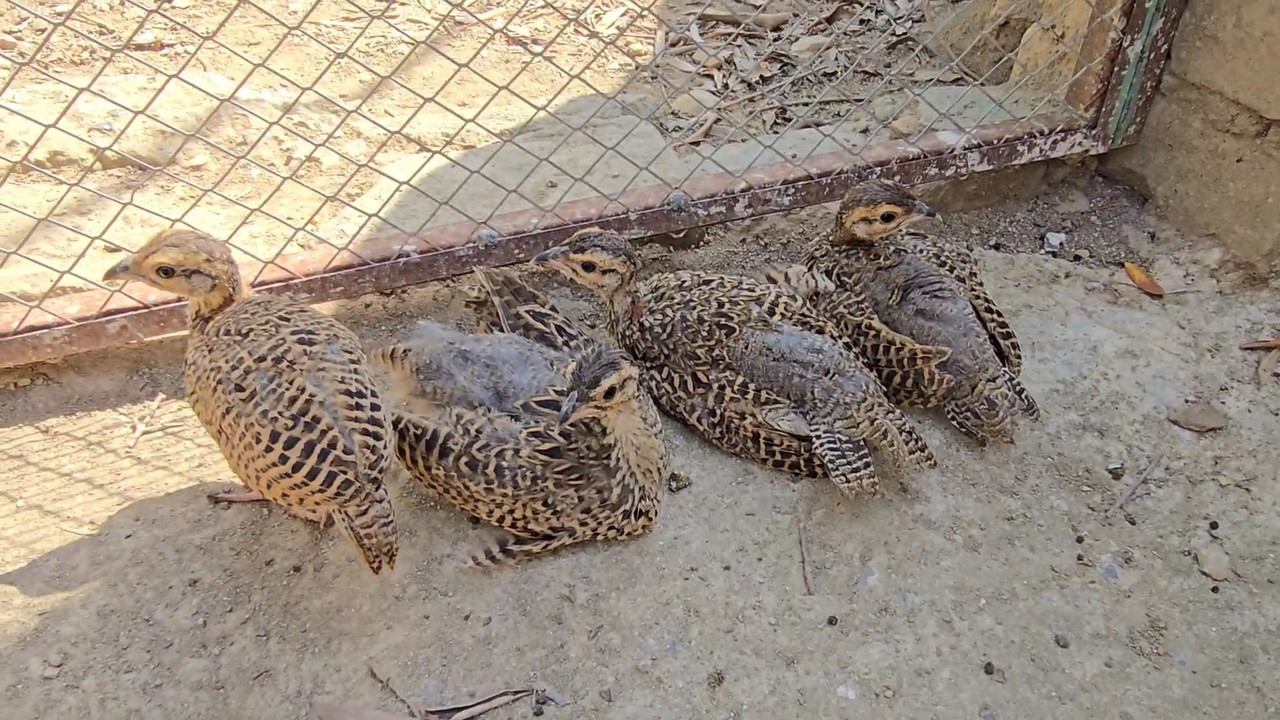
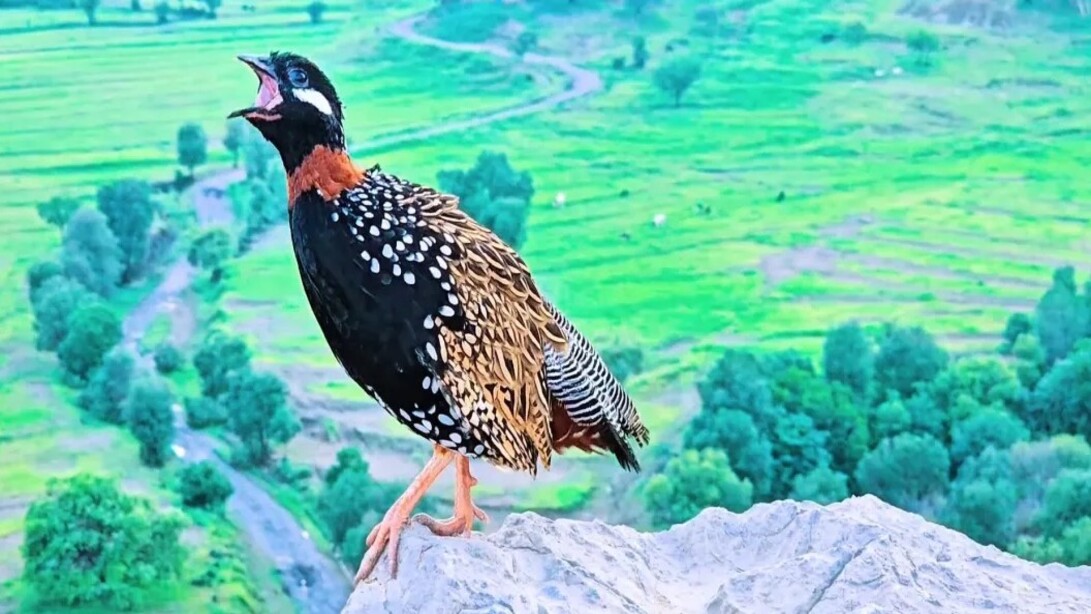
Partridge on ground

Partridge on the ground

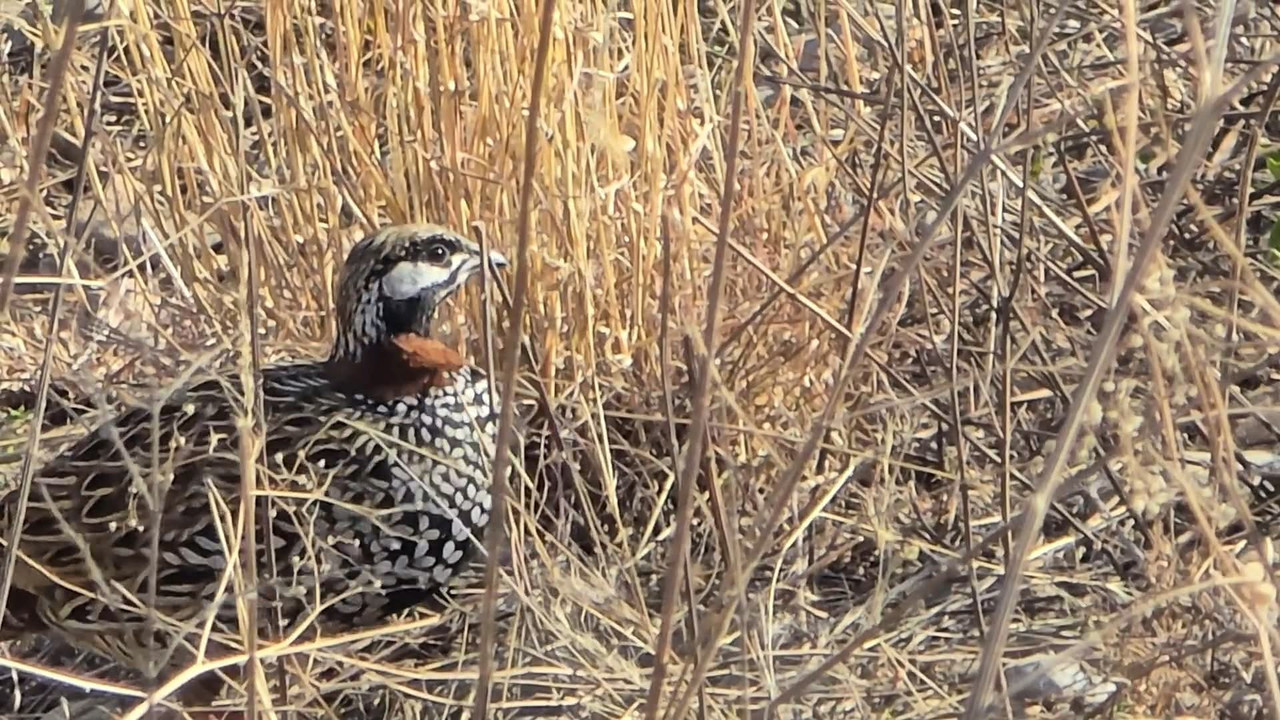
Partridges, including both Grey Partridges and Black Partridges, are ground-dwelling birds through and through. They don't perch in trees, they don't nest in trees, and you certainly won't find one sitting in a pear tree. In the wild, these birds live in open grasslands, farmlands, and scrubby fields. They feed on seeds and insects on the ground, build their nests hidden in tall grass or under bushes, and sleep on the earth — never up on a branch.

Their daily life involves walking and running through fields, taking short low flights only when startled, dust-bathing to keep their feathers clean, and foraging quietly in small groups. They are shy, ground-loving birds with strong legs built for movement on land, not for gripping tree branches.

🐦 The Truth About Partridges:
Live: On the ground, not in trees
Nest: Hidden in tall grass or under bushes
Sleep: On the earth, never on branches
Food: Seeds and insects found on the ground
Flight: Short and low, only when startled


So How Did the Pear Tree Association Even Start?

The song "The Twelve Days of Christmas" dates back to 18th-century England. The "partridge in a pear tree" was simply a symbolic and romantic gift, not a reflection of real bird behavior. Over time, the image stuck in popular culture, creating a widespread myth that many people still believe today.

📜 Fun Fact: The carol was originally a memory game for children, not an ornithological guide! The partridge was chosen for its symbolic value, not its tree-climbing abilities.


The Truth in One Line

Now you know the real deal. The next time someone hums that carol, you can smile and say:

"Beautiful song, but a partridge would much rather have a dust bath than a pear tree any day."

ناشپاتی کے درخت میں تیتر – حقیقت

اگر آپ نے کبھی مشہور کرسمس کا گانا "The Twelve Days of Christmas" سنا ہے تو آپ کو یہ سطر معلوم ہوگی: "کرسمس کے پہلے دن، میری محبوب نے مجھے ایک ناشپاتی کے درخت میں ایک تیتر دیا۔" یہ ایک خوبصورت، شاعرانہ منظر ہے۔ لیکن حقیقت یہ ہے: یہ صرف ایک گانے کا بول ہے، حقیقی زندگی نہیں۔


تیتر حقیقت میں کیا کرتے ہیں

زمین پر تیتر

زمین پر تیتر

تیتر، بشمول بھورے تیتر اور کالے تیتر، مکمل طور پر زمین پر رہنے والے پرندے ہیں۔ وہ درختوں پر نہیں بیٹھتے، وہ درختوں میں گھونسلا نہیں بناتے، اور آپ کو یقیناً کوئی بھی ناشپاتی کے درخت میں بیٹھا ہوا نہیں ملے گا۔ جنگل میں، یہ پرندے کھلے گھاس کے میدانوں، کھیتوں اور جھاڑی والے علاقوں میں رہتے ہیں۔ وہ زمین پر بیج اور کیڑے کھاتے ہیں، اپنے گھونسلے لمبی گھاس یا جھاڑیوں کے نیچے چھپا کر بناتے ہیں، اور زمین پر سوتے ہیں — کبھی کسی شاخ پر نہیں۔

ان کی روزمرہ کی زندگی میں کھیتوں میں چلنا اور دوڑنا، صرف خوفزدہ ہونے پر مختصر اونچی اڑان بھرنا، اپنے پروں کو صاف رکھنے کے لیے دھول میں نہانا، اور چھوٹے گروہوں میں خاموشی سے چارہ کرنا شامل ہے۔ وہ شرمیلے، زمین سے محبت کرنے والے پرندے ہیں جن کی مضبوط ٹانگیں زمین پر حرکت کے لیے بنی ہیں، درخت کی شاخوں کو پکڑنے کے لیے نہیں۔

🐦 تیتر کے بارے میں حقیقت:
رہائش: زمین پر، درختوں میں نہیں
گھونسلا: لمبی گھاس یا جھاڑیوں کے نیچے چھپا
نیند: زمین پر، کبھی شاخوں پر نہیں
خوراک: زمین پر ملنے والے بیج اور کیڑے
اڑان: مختصر اور نچلی، صرف خوفزدہ ہونے پر


تو ناشپاتی کے درخت کی نسبت کیسے شروع ہوئی؟

گانا "The Twelve Days of Christmas" 18ویں صدی کے انگلینڈ کا ہے۔ "ناشپاتی کے درخت میں تیتر" محض ایک علامتی اور رومانوی تحفہ تھا، نہ کہ حقیقی پرندے کے رویے کا عکس۔ وقت کے ساتھ، یہ تصویر مقبول ثقافت میں جم گئی، جس سے ایک وسیع افسانہ پیدا ہوا جس پر بہت سے لوگ آج بھی یقین رکھتے ہیں۔

📜 دلچسپ حقیقت: یہ گانا اصل میں بچوں کے لیے ایک یادداشت کا کھیل تھا، پرندوں کی رہنمائی نہیں! تیتر کو اس کی علامتی اہمیت کے لیے چنا گیا تھا، نہ کہ درختوں پر چڑھنے کی صلاحیت کے لیے۔


ایک سطر میں حقیقت

اب آپ کو اصل حقیقت معلوم ہو گئی۔ اگلی بار جب کوئی وہ گانا گنگنائے تو آپ مسکرا کر کہہ سکتے ہیں:

"خوبصورت گانا ہے، لیکن تیتر کسی بھی دن ناشپاتی کے درخت کے بجائے دھول میں نہانے کو ترجیح دے گا۔"

Read More

Wednesday, 8 July 2026

Published July 08, 2026 by with 0 comment

The Morning the Eggs Started Talking || Important for Birds Owner

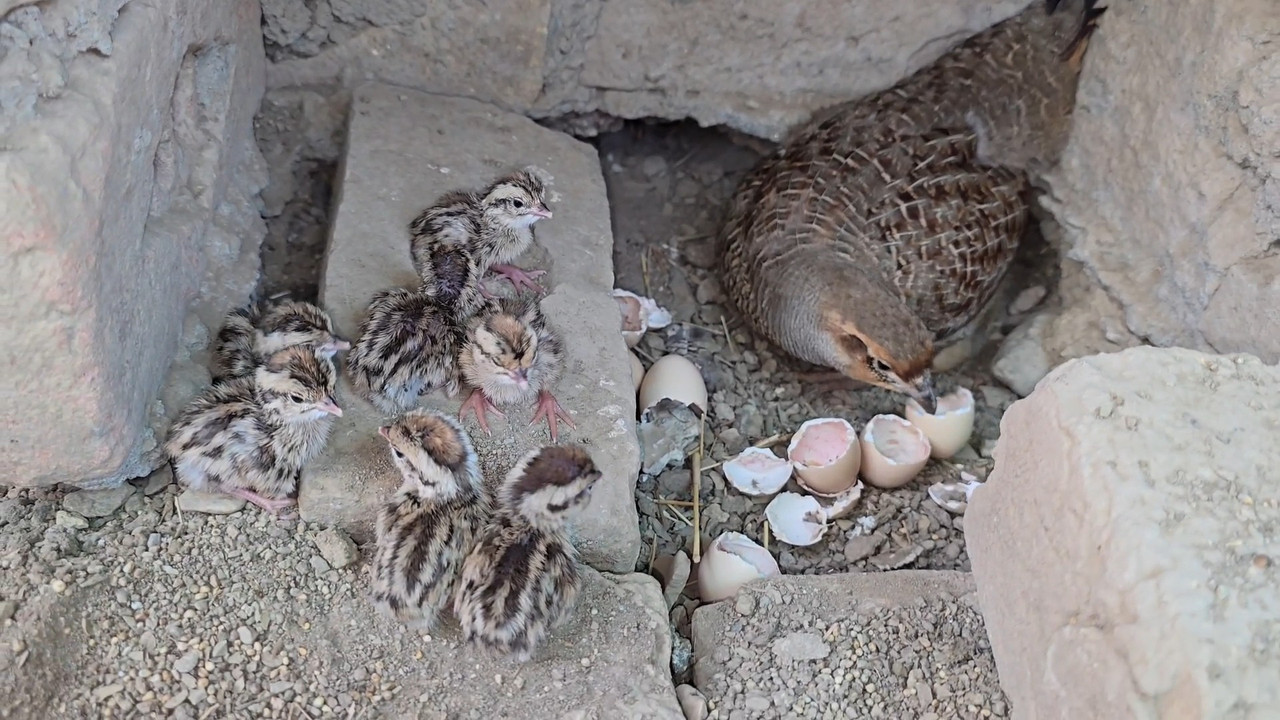
The partridge cage was too quiet that morning. That was the first sign something had changed. For 24 days, the silence had been my only company. Every morning, I walked slowly to the partridge cage, hoping to see a small crack in those spotted, peach-colored eggs. But morning after morning, nothing. Just smooth eggs and my own worried breathing.

But today was different.

Before I even got close, I heard it. Peep-peep-peep. A tiny sound, sharp and high, like a little squeak. I stopped walking right there. My heart jumped. I was afraid to breathe too loud, scared I would break the magic.

Then I looked into the partridge cage.

Newly hatched chick

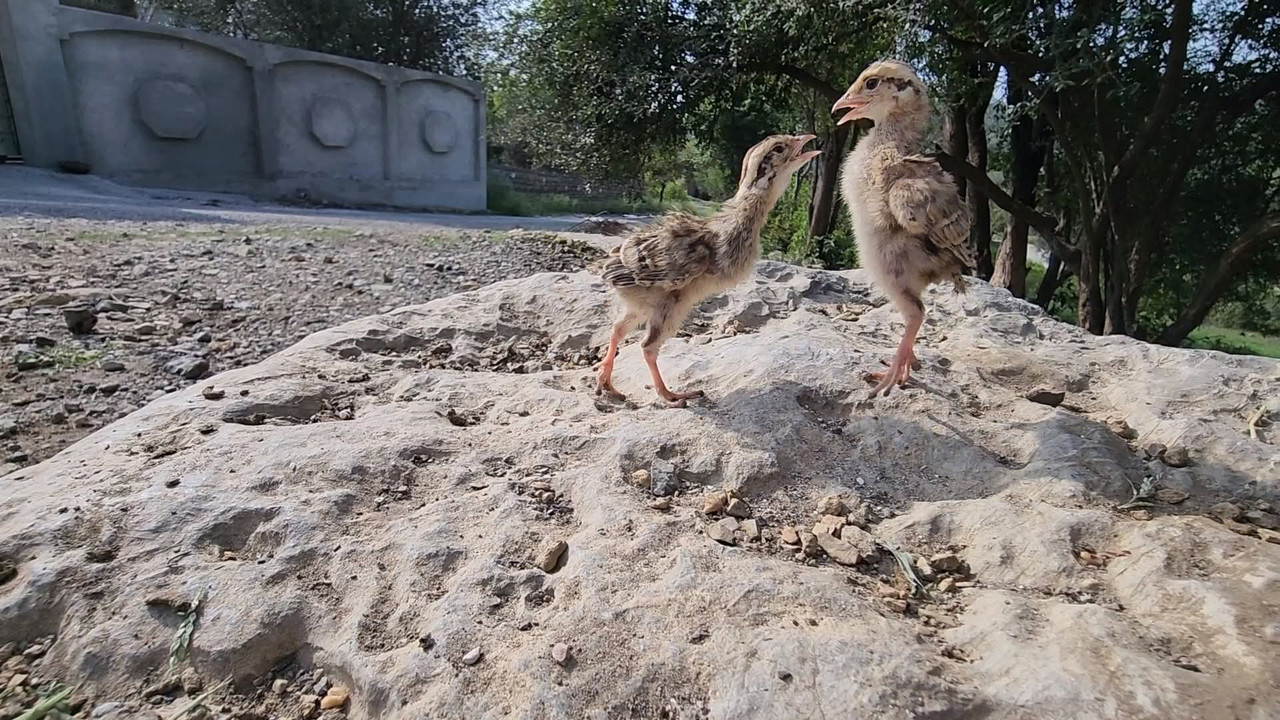
Everything changed. Where the smooth eggs used to be, there was now a messy, fluffy pile. Tiny baby partridge chicks. Their little beaks were opening and closing. Their eyes were still shut tight. Their legs were new and shaky, like they didn't know how to stand yet. They tumbled over each other, a beautiful mess of wet feathers and new life.

📹 Watch Video: Partridge Chicks Hatching - Click Here

And sitting right there in the middle was the proud partridge mother. Her chest was puffed up big. Her feathers were still ruffled from all the hard work through the night. She looked tired but strong. She had done the real job. I had only stood guard.

All my weeks of worry melted away. Was the heat right? Was the air too dry? Did I turn the eggs enough? It didn't matter now. One of the tiny partridge chicks lifted its wobbly head and looked right at me. It was as if it was saying, "See? We did it."

I felt joy, like a proud parent. And wonder, like a lucky person who got to watch a secret. These partridge chicks were wild at heart, born in a simple partridge cage because someone believed they would make it.

Chicks with mother
Newborn chick
Partridge chicks

It is hard to explain that feeling. It comes when patience finally pays off and hope turns into something real and breathing. Standing there in the dusty morning light, I understood I was not just checking eggs anymore. I was welcoming brand new lives into our little corner of the world.

Yes, it felt like a big success. But more than that, it felt like being connected to something much bigger. Life is fragile. Life is tiny. But it fights hard, and somehow, it always finds a way.

Today, the partridge cage is not just a cage anymore. It is a nursery. And my morning routine will never be the same again.


💬 Question for You

Have you ever waited a long time for something special to happen? What was it like when it finally did?

اس صبح تیتر کا پنجرا بہت خاموش تھا۔ یہ پہلی علامت تھی کہ کچھ بدل گیا ہے۔ 24 دنوں سے خاموشی میری واحد ساتھی تھی۔ ہر صبح، میں آہستہ آہستہ تیتر کے پنجرے کی طرف جاتا، امید کرتا کہ ان دھبوں والے، آڑو رنگ کے انڈوں میں ایک چھوٹی سی دراڑ دیکھوں گا۔ لیکن صبح کے بعد صبح، کچھ نہیں۔ صرف ہموار انڈے اور میری اپنی پریشان سانس۔

لیکن آج کا دن مختلف تھا۔

قریب آنے سے پہلے ہی، میں نے اسے سنا۔ پِیپ پِیپ پِیپ۔ ایک چھوٹی سی آواز، تیز اور بلند، ایک چھوٹی سی چیخ کی طرح۔ میں نے وہیں چلنا روک دیا۔ میرا دل اچھل گیا۔ میں نے زور سے سانس لینے سے ڈر لگا، ڈر تھا کہ کہیں میں جادو نہ توڑ دوں۔

پھر میں نے تیتر کے پنجرے میں دیکھا۔

نیا نکلا چوزہ

سب کچھ بدل گیا۔ جہاں ہموار انڈے ہوتے تھے، اب وہاں ایک بکھرا ہوا، پھولا ہوا ڈھیر تھا۔ چھوٹے چھوٹے تیتر کے بچے۔ ان کی چھوٹی چونچیں کھل رہی تھیں اور بند ہو رہی تھیں۔ ان کی آنکھیں ابھی تک مضبوطی سے بند تھیں۔ ان کی ٹانگیں نئی اور لرزتی ہوئی تھیں، جیسے وہ ابھی کھڑے ہونا نہیں جانتے۔ وہ ایک دوسرے پر گر رہے تھے، گیلے پروں اور نئی زندگی کا ایک خوبصورت انتشار۔

📹 ویڈیو دیکھیں: تیتر کے بچے نکلتے ہوئے - یہاں کلک کریں

اور بالکل درمیان میں فخر سے تیتر ماں بیٹھی تھی۔ اس کا سینہ بڑا پھولا ہوا تھا۔ اس کے پر رات بھر کی محنت سے ابھی تک بکھرے ہوئے تھے۔ وہ تھکی ہوئی لیکن مضبوط لگ رہی تھی۔ اس نے اصل کام کیا تھا۔ میں نے صرف پہرہ دیا تھا۔

میری ہفتوں کی پریشانی ختم ہو گئی۔ کیا گرمی صحیح تھی؟ کیا ہوا بہت خشک تھی؟ کیا میں نے انڈوں کو کافی گھمایا؟ اب اس سے کوئی فرق نہیں پڑتا تھا۔ ایک چھوٹے تیتر کے بچے نے اپنا لرزتا ہوا سر اٹھایا اور سیدھا میری طرف دیکھا۔ ایسا تھا جیسے یہ کہہ رہا ہو، "دیکھا؟ ہم نے کر دکھایا۔"

مجھے خوشی محسوس ہوئی، ایک فخر کرنے والے والدین کی طرح۔ اور حیرت، ایک خوش قسمت شخص کی طرح جسے ایک راز دیکھنے کا موقع ملا۔ یہ تیتر کے بچے دل سے جنگلی تھے، ایک سادہ تیتر کے پنجرے میں پیدا ہوئے کیونکہ کسی کو یقین تھا کہ وہ زندہ رہیں گے۔

ماں کے ساتھ بچے
نیا نکلا چوزہ
تیتر کے بچے

اس احساس کی وضاحت کرنا مشکل ہے۔ یہ اس وقت آتا ہے جب صبر آخر کار رنگ لاتا ہے اور امید حقیقی اور سانس لیتی ہوئی چیز میں بدل جاتی ہے۔ دھول بھری صبح کی روشنی میں کھڑے ہوئے، میں سمجھ گیا کہ میں اب صرف انڈے نہیں چیک کر رہا تھا۔ میں اپنی دنیا کے اس چھوٹے سے کونے میں نئی نئی زندگیوں کا استقبال کر رہا تھا۔

جی ہاں، یہ ایک بڑی کامیابی کی طرح محسوس ہوا۔ لیکن اس سے بھی بڑھ کر، یہ کسی بہت بڑی چیز سے جڑے ہونے کی طرح محسوس ہوا۔ زندگی نازک ہے۔ زندگی چھوٹی ہے۔ لیکن یہ بہت محنت کرتی ہے، اور کسی نہ کسی طرح، یہ ہمیشہ راستہ تلاش کر لیتی ہے۔

آج، تیتر کا پنجرا اب صرف ایک پنجرا نہیں ہے۔ یہ ایک نرسری ہے۔ اور میرا صبح کا معمول کبھی پہلے جیسا نہیں رہے گا۔


💬 آپ کے لیے سوال

کیا آپ نے کبھی کسی خاص چیز کے لیے لمبا انتظار کیا ہے؟ جب آخر کار وہ ہوا تو کیسا لگا؟

Read More

Sunday, 5 July 2026

Published July 05, 2026 by with 0 comment

The Final 3 Days: Day 19, 20, and 21 Under a Tame Partridge Mother

Partridge mother

Tame Partridge mother on eggs

Partridge Hatching Guide – The Last 3 Days

When a tame Partridge female becomes a mother, it is something very special. She trusts you. She knows your voice. But when Day 19 comes, even the sweetest, most friendly Partridge mother enters a deep, quiet zone. These last three days are the most important of all 21 days. They are a test of your patience and your trust in her.

Here is what is happening inside the eggs, the things you must never do, and the big feelings of watching your gentle, tame Partridge female turn into a wild, wonderful mother.


What Is Happening Inside the Egg

Day 19 is the big turning point. The chick has taken in all of the yolk. This was its food for the long wait. Now it must move into place to start hatching.

Day 19: The Quiet Before the Action
The chick turns inside the egg. It puts its head under its right wing and points its beak up toward the air pocket. The yolk is now fully inside its belly. Your tame Partridge mother feels this shift. She becomes very still, like a statue. She knows that being still is the best way to protect the eggs.

Day 20: The First Breath
The chick uses its beak to break a thin skin inside the egg. It takes its first breath of air from the air pocket. You cannot see this happen. But if you lean close and stay very quiet, you might hear a tiny peep from inside the shell. Your Partridge mother hears it too. She will answer with a very soft, deep cluck. This sound tells the chicks, "You are safe. It is time to come out."

Day 21: The Great Escape
First, a small crack appears on the outside of the shell. Then the chick rests for a long time. Finally, it turns its body and cracks the shell in a full circle. This is called the "zip." The shell cap pops open, and the chick falls out. It is wet and very tired, but it is safe in the warm feathers of your Partridge female.

Hatching chick

Chick hatching

Newborn chick

Newborn chick

Chick with mother

Mother with chick


Things You Must Never Do in the Last 3 Days

Mother protecting nest
Tame partridge
Partridge nest

Because your Partridge mother is tame, it is even harder to hold back. She trusts you, so you might feel it is okay to step in. But you must not. Your job is to guard her space, not to help.

🚫 Do Not Open the Nest:
Once Day 19 comes, keep your hands away. Do not lift her wing to look at the eggs. Do not try to move an egg or tidy her nest. When you open the nest box, cold air rushes in and the warm, damp air she has made with her body escapes. This can make the inner skin of the egg tough and trap the chick inside.

🚫 Do Not Help the Chick Hatch:
A tame Partridge mother will let you sit nearby, so you will see the struggle. Watching a chick fight to break free for hours is very hard. But if you peel the shell to "help," you can make the chick bleed. The chick must break free on its own to stop the blood flow properly. Trust her stillness. She knows that a chick who is too weak to hatch on its own is often too weak to live.

🍽️ Feed Her With Great Care:
She will not want to leave the nest. On Day 20, because she trusts you, you may be able to place a tiny dish of fresh water and a little bit of food right at the edge of the nest box. Move slowly. Speak in a whisper. If she fluffs up her feathers or gives a low warning sound, do not be sad. This is the sign of a very good mother.

🚫 Do Not Grab the Chicks:
When the tiny fluff balls appear, your first feeling will be to pick them up and kiss them. Do not. For the first full day, let them snuggle deep into her chest feathers. Let them learn the sound of her voice and the warmth of her body. A tame Partridge mother will bring her babies to meet you when she feels the time is right. Let her make that choice.


The Owner's Heart: Watching Your Gentle Girl Go Wild

This part is where the tears come. It is a very moving thing to watch a tame Partridge female, who eats from your hand and runs to greet you, become completely wild with motherly love.

⏳ The Long Wait:
On Day 19 and 20, you feel powerless. This bird who always needed you now does not want you near. You walk on tiptoes past her house. You hold your breath and listen. Is she okay? Are the chicks alive? You start to doubt everything. The quiet trust she used to give you now feels like a gap you cannot cross.

🦚 The Pride:
Then you hear it. A tiny, wondering peep from deep under her feathers. And you watch her answer. Her eyes close in pure calm. Her body gives a little shake as she pulls the unseen chick closer. You suddenly understand that this gentle, tame creature carries a deep, old wisdom inside her that you cannot touch. She does not need you right now, and that is the most lovely thing.

💛 The Pure Joy:
On Day 21, a tiny beak finally peeks out from under her wing. And she looks up at you with those same bright, knowing eyes you love so much. The look she gives you says everything. It is not a look of "Look what I made." It is a look of "Look what we kept safe together." The bond comes back, but now it is even deeper. She is no longer just your tame pet. She is a mother who let you watch the mystery. And when she finally walks those tiny chicks over to your boots, chirping with their heads held high, the pride you feel will leave you speechless.


A Short Goodbye

Dear reader, if your Partridge mother is sitting on eggs right now, hold your heart steady. The wait is almost over. Soon the quiet will break into tiny cheeps, and little feet will follow her everywhere. Trust her, guard her peace, and give her time. The miracle is already happening under her warm feathers. You just need to wait a little longer. Happy hatching, and may your nest be full of healthy, fluffy chicks. Goodbye for now.

تیتر ماں

پالتو تیتر ماں انڈوں پر

تیتر کے انڈے سینے کی گائیڈ – آخری 3 دن

جب ایک پالتو تیتر کی مادہ ماں بنتی ہے تو یہ بہت خاص ہوتا ہے۔ وہ آپ پر بھروسہ کرتی ہے۔ وہ آپ کی آواز پہچانتی ہے۔ لیکن جب 19واں دن آتا ہے، تو سب سے پیاری اور دوستانہ تیتر ماں بھی ایک گہری، خاموش کیفیت میں چلی جاتی ہے۔ یہ آخری تین دن 21 دنوں میں سب سے اہم ہوتے ہیں۔ یہ آپ کے صبر اور اس پر آپ کے بھروسے کا امتحان ہیں۔

یہ ہے جو انڈوں کے اندر ہو رہا ہے، وہ چیزیں جو آپ کو کبھی نہیں کرنی چاہئیں، اور آپ کی نرم، پالتو تیتر مادہ کو ایک جنگلی، شاندار ماں میں بدلتے ہوئے دیکھنے کے جذبات۔


انڈے کے اندر کیا ہو رہا ہے

19واں دن بڑا موڑ ہے۔ چوزے نے ساری زردی جذب کر لی ہے۔ یہ لمبے انتظار کے لیے اس کی خوراک تھی۔ اب اسے نکلنے کے لیے جگہ میں آنا ہے۔

19واں دن: عمل سے پہلے کی خاموشی
چوزہ انڈے کے اندر گھومتا ہے۔ یہ اپنا سر دائیں پر کے نیچے رکھتا ہے اور اپنی چونچ کو ہوا کی جیب کی طرف اٹھاتا ہے۔ زردی اب مکمل طور پر اس کے پیٹ میں ہے۔ آپ کی پالتو تیتر ماں اس تبدیلی کو محسوس کرتی ہے۔ وہ مجسمے کی طرح خاموش ہو جاتی ہے۔ وہ جانتی ہے کہ خاموش رہنا انڈوں کی حفاظت کا بہترین طریقہ ہے۔

20واں دن: پہلی سانس
چوزہ اپنی چونچ سے انڈے کے اندر ایک پتلی جھلی کو توڑتا ہے۔ یہ ہوا کی جیب سے اپنی پہلی سانس لیتا ہے۔ آپ یہ ہوتے نہیں دیکھ سکتے۔ لیکن اگر آپ قریب جھکیں اور بہت خاموش رہیں تو آپ کو انڈے کے اندر سے ایک چھوٹی سی آواز سنائی دے سکتی ہے۔ آپ کی تیتر ماں بھی اسے سنتی ہے۔ وہ بہت نرم، گہری آواز کے ساتھ جواب دے گی۔ یہ آواز چوزوں کو بتاتی ہے، "تم محفوظ ہو۔ باہر آنے کا وقت آ گیا ہے۔"

21واں دن: بڑی چھلانگ
پہلے، چھلکے کے باہر ایک چھوٹی سی دراڑ ظاہر ہوتی ہے۔ پھر چوزہ لمبے عرصے تک آرام کرتا ہے۔ آخر میں، یہ اپنا جسم گھماتا ہے اور چھلکے کو پورے دائرے میں توڑ دیتا ہے۔ اسے "زپ" کہا جاتا ہے۔ چھلکے کا ڈھکنا کھل جاتا ہے، اور چوزہ باہر گر جاتا ہے۔ یہ گیلا اور بہت تھکا ہوا ہوتا ہے، لیکن یہ آپ کی تیتر مادہ کے گرم پروں میں محفوظ ہے۔

چوزہ نکل رہا ہے

چوزہ نکل رہا ہے

نیا نکلا چوزہ

نیا نکلا چوزہ

ماں کے ساتھ چوزہ

ماں کے ساتھ چوزہ


آخری 3 دنوں میں وہ چیزیں جو آپ کو کبھی نہیں کرنی چاہئیں

گھونسلے کی حفاظت
پالتو تیتر
تیتر کا گھونسلا

کیونکہ آپ کی تیتر ماں پالتو ہے، اس لیے خود کو روکنا اور بھی مشکل ہے۔ وہ آپ پر بھروسہ کرتی ہے، اس لیے آپ کو لگ سکتا ہے کہ قدم اٹھانا ٹھیک ہے۔ لیکن آپ کو نہیں کرنا چاہیے۔ آپ کا کام اس کی جگہ کی حفاظت کرنا ہے، مدد کرنا نہیں۔

🚫 گھونسلا نہ کھولیں:
19واں دن آنے کے بعد، اپنے ہاتھوں کو دور رکھیں۔ انڈوں کو دیکھنے کے لیے اس کا پر نہ اٹھائیں۔ انڈے کو ہلانے یا اس کے گھونسلے کو صاف کرنے کی کوشش نہ کریں۔ جب آپ گھونسلے کا ڈبہ کھولتے ہیں تو ٹھنڈی ہوا اندر آتی ہے اور اس نے اپنے جسم سے جو گرم، نم ہوا بنائی ہے وہ باہر نکل جاتی ہے۔ اس سے انڈے کی اندرونی جھلی سخت ہو سکتی ہے اور چوزہ اندر پھنس سکتا ہے۔

🚫 چوزے کو نکلنے میں مدد نہ کریں:
ایک پالتو تیتر ماں آپ کو قریب بیٹھنے دے گی، اس لیے آپ جدوجہد دیکھیں گے۔ گھنٹوں چوزے کو آزاد ہونے کے لیے لڑتے دیکھنا بہت مشکل ہے۔ لیکن اگر آپ "مدد" کرنے کے لیے چھلکا چھیلیں گے تو آپ چوزے کو خون بہا سکتے ہیں۔ چوزے کو خود ہی آزاد ہونا چاہیے تاکہ خون کا بہاؤ صحیح طریقے سے رک سکے۔ اس کی خاموشی پر بھروسہ کریں۔ وہ جانتی ہے کہ جو چوزہ خود نکلنے کے لیے بہت کمزور ہے وہ اکثر زندہ رہنے کے لیے بھی بہت کمزور ہوتا ہے۔

🍽️ اسے بڑی دیکھ بھال سے کھانا دیں:
وہ گھونسلا چھوڑنا نہیں چاہے گی۔ 20ویں دن، کیونکہ وہ آپ پر بھروسہ کرتی ہے، آپ تازہ پانی اور تھوڑا سا کھانے کا ایک چھوٹا سا برتن گھونسلے کے ڈبے کے کنارے پر رکھ سکتے ہیں۔ آہستہ حرکت کریں۔ سرگوشی میں بولیں۔ اگر وہ اپنے پروں کو پھول لے یا کم آواز میں انتباہ دے تو افسوس نہ کریں۔ یہ بہت اچھی ماں کی علامت ہے۔

🚫 چوزوں کو نہ پکڑیں:
جب چھوٹے پھولے ہوئے بچے نظر آئیں تو آپ کا پہلا جذبہ انہیں اٹھانے اور چومنے کا ہوگا۔ ایسا نہ کریں۔ پہلے پورے دن، انہیں اس کے سینے کے پروں میں گہرائی میں چپکنے دیں۔ انہیں اس کی آواز اور اس کے جسم کی گرمی سیکھنے دیں۔ ایک پالتو تیتر ماں اپنے بچوں کو آپ سے ملوانے لائے گی جب اسے لگے گا کہ وقت صحیح ہے۔ اسے وہ انتخاب کرنے دیں۔


مالک کا دل: اپنی نرم لڑکی کو جنگلی ہوتے دیکھنا

یہ وہ حصہ ہے جہاں آنسو آتے ہیں۔ ایک پالتو تیتر مادہ کو، جو آپ کے ہاتھ سے کھاتی ہے اور آپ سے ملنے دوڑتی ہے، ماں کی محبت کے ساتھ مکمل طور پر جنگلی ہوتے دیکھنا بہت ہی جذباتی ہے۔

⏳ لمبا انتظار:
19ویں اور 20ویں دن، آپ خود کو بے بس محسوس کرتے ہیں۔ یہ پرندہ جو ہمیشہ آپ کی ضرورت رکھتا تھا اب آپ کو قریب نہیں چاہتا۔ آپ اس کے گھر کے پاس انگلیوں پر چلتے ہیں۔ آپ اپنی سانس روک کر سنتے ہیں۔ کیا وہ ٹھیک ہے؟ کیا چوزے زندہ ہیں؟ آپ کو ہر چیز پر شک ہونے لگتا ہے۔ وہ خاموش بھروسہ جو وہ آپ کو دیتی تھی اب ایک ایسی خلیج لگتی ہے جسے آپ پار نہیں کر سکتے۔

🦚 فخر:
پھر آپ اسے سنتے ہیں۔ اس کے پروں کے نیچے سے ایک چھوٹی، حیران کن آواز۔ اور آپ اسے جواب دیتے دیکھتے ہیں۔ اس کی آنکھیں مکمل سکون میں بند ہو جاتی ہیں۔ اس کا جسم ہلکا سا ہلتا ہے جب وہ نظر نہ آنے والے چوزے کو قریب کھینچتی ہے۔ آپ کو اچانک سمجھ آتا ہے کہ یہ نرم، پالتو مخلوق اپنے اندر ایک گہری، پرانی حکمت رکھتی ہے جسے آپ چھو نہیں سکتے۔ اسے ابھی آپ کی ضرورت نہیں، اور یہ سب سے خوبصورت چیز ہے۔

💛 خالص خوشی:
21ویں دن، ایک چھوٹی سی چونچ آخر کار اس کے پر کے نیچے سے جھانکتی ہے۔ اور وہ آپ کو اسی روشن، جاننے والی آنکھوں سے دیکھتی ہے جن سے آپ بہت پیار کرتے ہیں۔ وہ نظر جو وہ آپ کو دیتی ہے سب کچھ کہہ دیتی ہے۔ یہ "دیکھو میں نے کیا بنایا" کی نظر نہیں ہے۔ یہ "دیکھو ہم نے مل کر کیا محفوظ رکھا" کی نظر ہے۔ رشتہ واپس آتا ہے، لیکن اب یہ اور بھی گہرا ہے۔ وہ اب صرف آپ کی پالتو نہیں ہے۔ وہ ایک ماں ہے جس نے آپ کو راز دیکھنے دیا۔ اور جب وہ آخر کار ان چھوٹے چوزوں کو آپ کے جوتوں تک لے کر آتی ہے، سر بلند کیے ہوئے چہچہاتی ہوئی، تو آپ کو جو فخر محسوس ہوتا ہے وہ آپ کو گونگا کر دیتا ہے۔


ایک مختصر الوداع

پیارے قاری، اگر آپ کی تیتر ماں ابھی انڈوں پر بیٹھی ہے تو اپنا دل مضبوط رکھیں۔ انتظار تقریباً ختم ہونے والا ہے۔ جلد ہی خاموشی چھوٹی چھوٹی آوازوں میں بدل جائے گی، اور چھوٹے پاؤں ہر جگہ اس کا پیچھا کریں گے۔ اس پر بھروسہ کریں، اس کی پرسکونی کی حفاظت کریں، اور اسے وقت دیں۔ معجزہ پہلے سے اس کے گرم پروں کے نیچے ہو رہا ہے۔ آپ کو بس تھوڑی دیر اور انتظار کرنا ہے۔ مبارک ہو، اور آپ کا گھونسلا صحت مند، پھولے ہوئے چوزوں سے بھرا ہو۔ ابھی کے لیے الوداع۔

Read More

Monday, 22 June 2026

Published June 22, 2026 by with 0 comment

A Complete Guide to Raising Francolin and Chakor Chicks – From Day 1 to 4 Months

Raising Chicks – Day 1 to 4 Months

In this post I will cover how to raise chicks from the first day to the first 4 months. These are some crucial months for new chicks. This is the time that has to be managed properly. Many enthusiasts and bird lovers face problems during this period, especially regarding what to feed and how to feed, and how to raise the chicks either without the mother or with the mother. I will cover all of this in this post. In the last section, I will also talk about water and pearl millet and how it is dangerous for chicks, which often people give them.


What to Feed in the First 24 Hours

Newly hatched chick

Newly hatched chick - first 24 hours

In the first 24 hours, chicks do not eat any type of feed because of the feed that has been eaten from the egg shell or egg yolk. For the first 24 hours, they do not feed anything. So that is okay for chicks if they are not eating anything—do not disturb them. But after 24 hours, the first feed you should give them is greenry. After that greenry, also give them some corn flour, and also give them 11 number feed, 11 number feed that are available in the market. You should give them for the first 5 to 6 days continuously. This early stage diet helps their digestive system to adjust gradually without any shock.

💡 Key Point: First 24 hours = NO feeding. The chick survives on egg yolk absorbed before hatching. After 24 hours, start with greenery, corn flour, and 11 number feed.


Introducing Protein-Rich Feed After 5 to 6 Days

Chicks eating protein feed

Chicks enjoying protein-rich feed

After 5 to 6 days, when chicks are getting healthy and able to walk after mother or after you, and their wings and tails are little little bit grown, then you should look for some protein type of feed that helps them to grow faster and healthier. And in that stage, after 6 days, I would suggest you to give them some termites. Or if you have not any termites in your area, then you should try some alive worms or dead worms to feed them, or any type of grasshopper. These are the best, the best feed for chicks. There are more proteins in it and chicks grow healthy and fast with these types of feed. Make sure you can get these because these are important. If these are not available, then your chick would not grow healthy and faster. You should try this for at least 1 to 2 months continuously. Give them 2 to 3 times a day. This protein-rich diet is essential for muscle development and proper feather growth during their early stages.

Protein feed - termites

Termites - protein rich

Protein feed - grasshoppers

Grasshoppers - protein rich

💪 Protein-Rich Feed Guide:
Best Options: Termites, grasshoppers, live or dead worms
Duration: 1 to 2 months continuously
Frequency: 2 to 3 times daily
Benefit: Faster growth, stronger muscles, proper feather development


Transitioning to Grains After 2 Months

After this, 2 months, now you can start giving them some pearl millet and water. Till 2 months you have not to give them water or pearl millet because the things you are giving them for 2 months are the routine things. And if they get mixed with water or pearl millet, they are harmful for chicks and often chicks get expired with it. Once they reach the 2-month mark, their digestive system becomes stronger and more capable of handling grains and water. At this stage, you can slowly introduce pearl millet in small quantities while continuing the protein feed alongside. Water should also be introduced gradually in shallow, clean containers to avoid any digestive issues.

⚠️ Important Warning: Do NOT give pearl millet or water before 2 months. Their digestive system is not ready and it can be fatal. Gradual introduction after 2 months is the key to healthy development.


Final Tips for the First 4 Months

Always keep a close watch on your chicks daily. Any chick that appears weak, inactive, or isolated from the group needs immediate attention. Maintain proper hygiene in their living area to prevent infections. Protect them from predators and extreme weather conditions. Remember, the first 4 months are the foundation of your bird's health and future breeding potential. With proper care, feeding, and attention, your chicks will grow into strong and healthy adults.

📋 Quick Checklist for First 4 Months:
Day 1-5: No feeding (first 24 hrs), then greenery + corn flour + 11 number feed
Day 6-60: Protein-rich feed (termites, grasshoppers, worms) 2-3 times daily
Month 2-4: Gradually introduce pearl millet and water
Throughout: Daily monitoring, clean environment, protection from predators


Conclusion

In conclusion, raising chicks from day one to four months is not a difficult task if you follow the right steps at the right time. The key is to understand their needs at every stage—from the first 24 hours where they do not need any feed, to introducing greenry and 11 number feed, then moving to protein-rich food like termites and grasshoppers, and finally transitioning to pearl millet and water after 2 months. Every stage is important and skipping any step can harm the health and growth of your chicks. Always remember that the first 4 months are the foundation of your bird's life. If you give them proper care, clean environment, and the right feed at the right time, your chicks will grow into healthy, strong, and active birds. I hope this post helps all the bird lovers and enthusiasts who are facing problems in raising their chicks.

💬 Thank you all for taking the time to read this post. If you have any questions or need further guidance, feel free to ask in the comments section. Also, if anyone else in the community has tips or experience to share, please do share them—we all learn from each other. Happy bird keeping!

چوزوں کی پرورش – پہلے دن سے 4 ماہ تک

اس تحریر میں میں چوزوں کی پرورش کے بارے میں بتاؤں گا پہلے دن سے لے کر پہلے 4 مہینوں تک۔ یہ نئے چوزوں کے لیے بہت اہم مہینے ہیں۔ یہ وہ وقت ہے جس کا صحیح طریقے سے انتظام کرنا ضروری ہے۔ بہت سے شوقین اور پرندوں سے محبت کرنے والوں کو اس عرصے کے دوران مسائل کا سامنا کرنا پڑتا ہے، خاص طور پر کیا کھلائیں اور کیسے کھلائیں، اور چوزوں کو ماں کے بغیر یا ماں کے ساتھ کیسے پالیں۔ میں یہ سب اس تحریر میں شامل کروں گا۔ آخری حصے میں میں پانی اور باجرے کے بارے میں بھی بات کروں گا اور یہ چوزوں کے لیے کیسے خطرناک ہے، جو اکثر لوگ انہیں دیتے ہیں۔


پہلے 24 گھنٹوں میں کیا کھلائیں

نیا نکلا چوزہ

نیا نکلا چوزہ - پہلے 24 گھنٹے

پہلے 24 گھنٹوں میں چوزے کسی بھی قسم کی خوراک نہیں کھاتے کیونکہ انہوں نے انڈے کے چھلکے یا زردی سے جو خوراک لی ہوتی ہے وہ کافی ہوتی ہے۔ پہلے 24 گھنٹوں تک وہ کچھ نہیں کھاتے۔ اس لیے اگر چوزے کچھ نہ کھا رہے ہوں تو یہ ٹھیک ہے — انہیں پریشان نہ کریں۔ لیکن 24 گھنٹے کے بعد پہلی خوراک جو آپ انہیں دیں وہ ہریالی ہے۔ اس ہریالی کے بعد انہیں مکئی کا آٹا بھی دیں اور 11 نمبر کی خوراک بھی دیں، جو مارکیٹ میں دستیاب ہے۔ یہ خوراک آپ کو پہلے 5 سے 6 دن تک مسلسل دینی چاہیے۔ اس ابتدائی خوراک سے ان کا نظام ہضم آہستہ آہستہ بغیر کسی جھٹکے کے ایڈجسٹ ہو جاتا ہے۔

💡 اہم بات: پہلے 24 گھنٹے = کوئی خوراک نہیں۔ چوزہ انڈے کی زردی سے زندہ رہتا ہے جو انڈے سے نکلنے سے پہلے جذب ہو جاتی ہے۔ 24 گھنٹے بعد ہریالی، مکئی کا آٹا اور 11 نمبر کی خوراک سے شروع کریں۔


5 سے 6 دن بعد پروٹین سے بھرپور خوراک کا تعارف

پروٹین والی خوراک کھاتے چوزے

پروٹین والی خوراک کھاتے چوزے

5 سے 6 دن کے بعد، جب چوزے صحت مند ہو رہے ہوں اور ماں کے پیچھے یا آپ کے پیچھے چلنے کے قابل ہوں، اور ان کے پر اور دم تھوڑے تھوڑے بڑھ گئے ہوں، تو آپ کو کچھ پروٹین والی خوراک دیکھنی چاہیے جو انہیں تیزی سے اور صحت مند بڑھنے میں مدد دیتی ہے۔ اس مرحلے پر، 6 دن کے بعد، میں آپ کو مشورہ دوں گا کہ انہیں دیمک دیں۔ یا اگر آپ کے علاقے میں دیمک نہیں ہے تو آپ کو زندہ یا مردہ کیڑے یا کسی بھی قسم کا ٹڈا دینا چاہیے۔ یہ چوزوں کے لیے بہترین خوراک ہے۔ ان میں زیادہ پروٹین ہوتی ہے اور اس خوراک سے چوزے صحت مند اور تیزی سے بڑھتے ہیں۔ یقینی بنائیں کہ آپ یہ حاصل کر سکتے ہیں کیونکہ یہ اہم ہیں۔ اگر یہ دستیاب نہ ہوں تو آپ کے چوزے صحت مند اور تیزی سے نہیں بڑھیں گے۔ آپ کو یہ کم از کم 1 سے 2 ماہ تک مسلسل دینی چاہیے۔ انہیں دن میں 2 سے 3 بار دیں۔ یہ پروٹین والی خوراک پٹھوں کی نشوونما اور پروں کی مناسب افزائش کے لیے ضروری ہے۔

پروٹین خوراک - دیمک

دیمک - پروٹین سے بھرپور

پروٹین خوراک - ٹڈے

ٹڈے - پروٹین سے بھرپور

💪 پروٹین والی خوراک کی رہنمائی:
بہترین اختیارات: دیمک، ٹڈے، زندہ یا مردہ کیڑے
مدت: 1 سے 2 ماہ مسلسل
تعدد: دن میں 2 سے 3 بار
فائدہ: تیز نشوونما، مضبوط پٹھے، پروں کی مناسب افزائش


2 ماہ بعد دانوں کی طرف منتقلی

اس کے بعد، 2 ماہ میں، اب آپ انہیں کچھ باجرہ اور پانی دینا شروع کر سکتے ہیں۔ 2 ماہ تک آپ کو انہیں پانی یا باجرہ نہیں دینا چاہیے کیونکہ جو چیزیں آپ انہیں 2 ماہ تک دے رہے ہیں وہ معمول کی چیزیں ہیں۔ اور اگر یہ پانی یا باجرے کے ساتھ مل جائیں تو چوزوں کے لیے نقصان دہ ہیں اور اکثر چوزے اس سے ختم ہو جاتے ہیں۔ جب وہ 2 ماہ کے نشان پر پہنچ جائیں تو ان کا نظام ہضم مضبوط ہو جاتا ہے اور اناج اور پانی کو سنبھالنے کے قابل ہو جاتا ہے۔ اس مرحلے پر آپ آہستہ آہستہ تھوڑی مقدار میں باجرہ دے سکتے ہیں جبکہ پروٹین والی خوراک جاری رکھیں۔ پانی بھی آہستہ آہستہ اتلی، صاف برتنوں میں دیا جانا چاہیے تاکہ ہاضمے کے مسائل سے بچا جا سکے۔

⚠️ اہم انتباہ: 2 ماہ سے پہلے باجرہ یا پانی نہ دیں۔ ان کا نظام ہضم تیار نہیں ہوتا اور یہ جان لیوا ہو سکتا ہے۔ 2 ماہ بعد آہستہ آہستہ تعارف صحت مند نشوونما کی کلید ہے۔


پہلے 4 ماہ کے لیے آخری نکات

ہمیشہ اپنے چوزوں کو روزانہ قریب سے دیکھیں۔ کوئی بھی چوزہ جو کمزور، غیر فعال یا گروپ سے الگ نظر آئے اسے فوری توجہ کی ضرورت ہے۔ ان کے رہنے کی جگہ میں مناسب صفائی برقرار رکھیں تاکہ انفیکشن سے بچا جا سکے۔ انہیں شکاریوں اور شدید موسمی حالات سے بچائیں۔ یاد رکھیں، پہلے 4 ماہ آپ کے پرندے کی صحت اور مستقبل کی افزائش کی صلاحیت کی بنیاد ہیں۔ مناسب دیکھ بھال، خوراک اور توجہ سے آپ کے چوزے مضبوط اور صحت مند بالغ پرندے بنیں گے۔

📋 پہلے 4 ماہ کے لیے فوری جانچ کی فہرست:
دن 1-5: کوئی خوراک نہیں (پہلے 24 گھنٹے)، پھر ہریالی + مکئی کا آٹا + 11 نمبر خوراک
دن 6-60: پروٹین والی خوراک (دیمک، ٹڈے، کیڑے) دن میں 2-3 بار
ماہ 2-4: آہستہ آہستہ باجرہ اور پانی کا تعارف
ہر وقت: روزانہ مشاہدہ، صاف ماحول، شکاریوں سے تحفظ


نتیجہ

آخر میں، پہلے دن سے چار ماہ تک چوزوں کی پرورش مشکل کام نہیں ہے اگر آپ صحیح وقت پر صحیح اقدامات کریں۔ کلید یہ ہے کہ ہر مرحلے پر ان کی ضروریات کو سمجھیں—پہلے 24 گھنٹوں سے جہاں انہیں کوئی خوراک نہیں چاہیے، ہریالی اور 11 نمبر کی خوراک کا تعارف، پھر پروٹین والی خوراک جیسے دیمک اور ٹڈے، اور آخر میں 2 ماہ بعد باجرہ اور پانی کی منتقلی۔ ہر مرحلہ اہم ہے اور کسی بھی مرحلے کو چھوڑنا آپ کے چوزوں کی صحت اور نشوونما کو نقصان پہنچا سکتا ہے۔ ہمیشہ یاد رکھیں کہ پہلے 4 ماہ آپ کے پرندے کی زندگی کی بنیاد ہیں۔ اگر آپ انہیں مناسب دیکھ بھال، صاف ماحول اور صحیح وقت پر صحیح خوراک دیں تو آپ کے چوزے صحت مند، مضبوط اور چست پرندے بنیں گے۔ مجھے امید ہے کہ یہ تحریر تمام پرندوں سے محبت کرنے والوں اور شوقین افراد کی مدد کرے گی جو اپنے چوزوں کی پرورش میں مسائل کا سامنا کر رہے ہیں۔

💬 آپ سب کا شکریہ کہ آپ نے اس تحریر کو پڑھنے کے لیے وقت نکالا۔ اگر آپ کے کوئی سوالات ہیں یا مزید رہنمائی کی ضرورت ہے تو براہِ کرم تبصروں میں پوچھیں۔ نیز، اگر کمیونٹی میں کسی اور کے پاس تجاویز یا تجربات ہیں تو براہِ کرم انہیں شیئر کریں—ہم سب ایک دوسرے سے سیکھتے ہیں۔ پرندے پالنے کی مبارکباد!

Read More

Saturday, 20 June 2026

Published June 20, 2026 by with 0 comment

Protecting Your Birds and Partridges from Summer Heat

The Harsh Summer Heat – Diet and Protection

Summer heat protection

Protecting birds from summer heat

As summer has arrived and June is starting, I would like to share one of the most difficult things that I face and that you guys would also be facing: the intense heat of summer on our pet birds. This heat can cause them death or poor growth. I would write today on their diet and how to protect the birds from the summer heat.


Breeding Season Dangers

Summer is the season when 90% of birds breed, and due to that, they face the most dangerous thing: the heat. They don't like it for breeding, for sitting on eggs, and when small chicks have hatched, they just don't stay alive on water alone. In this season, you must be careful with birds because if a bird is in the wild, then they know how to protect themselves, but if it is a pet, then it is our duty to look after them at every side. Extra attention must be given to breeding mothers and their chicks during this time. Provide them with extra cooling and a stress-free environment for successful breeding.

⚠️ Critical Warning: Breeding mothers and chicks are most vulnerable during summer heat. Extra cooling and stress-free environment is essential for successful breeding.


Essential Summer Protection for Birds and Partridges

Summer heat can be deadly for your beloved birds and partridges. Unlike wild birds, pet birds depend entirely on us for their safety. High temperatures can cause dehydration, heatstroke, and even sudden death. Every bird and partridge owner must take extra precautions during this season. Simple steps can make a big difference in saving their lives. This guide will help you protect your feathered friends.

Diet Tips:

In summer, focus on cooling foods like greenery and fresh vegetables. White lentils soaked in water are excellent as they keep the bird's body cool and smooth throughout the day. Always provide fresh, clean water and change it multiple times daily.

Cooling Methods:

Use fans or air coolers to maintain a comfortable temperature around your bird or partridge. Never leave them in direct sunlight or place their cage outside in hot areas. Keep their cage in a shaded, well-ventilated spot indoors.

Extra Advice:

Avoid giving oily or heavy seeds during peak heat as they generate body heat. Observe your bird or partridge regularly for signs of panting or lethargy. A little effort from you can save a life.

💚 Quick Summer Diet Guide:
Cooling Foods: Green leaves, fresh vegetables, white lentils (soaked)
Avoid: Oily seeds, heavy grains during peak heat
Water: Fresh, clean water changed multiple times daily


Recognizing Heat Stress in Birds and Partridges

Heat stress in birds

Signs of heat stress in birds

Heat stress is a silent killer that every bird and partridge owner must learn to recognize. The first signs include panting, open beak breathing, and drooping wings. Your bird or partridge may become lethargic, stop eating, or sit at the bottom of the cage. Their droppings may become watery, and they might stretch their neck frequently to gasp for air. If you notice any of these signs, act immediately by moving them to a cooler spot. Offer fresh, cool water and gently mist the area around them. Early recognition can save your bird or partridge from fatal heatstroke.

⚠️ Heat Stress Warning Signs:
• Panting and open beak breathing
• Drooping wings and lethargy
• Loss of appetite
• Watery droppings
• Frequent neck stretching to gasp for air


The Importance of Cage Placement in Summer

Where you place your bird or partridge cage during summer can mean the difference between life and death. Always keep the cage in a shaded, well-ventilated area away from direct sunlight. Avoid placing cages near windows, balconies, or terraces where the sun hits directly. The coolest room in your house, preferably with tiled floors, is the best spot. Never keep the cage in a closed, stuffy room without proper air circulation. Keep the cage elevated from the ground to allow better airflow underneath. A well-placed cage keeps your bird or partridge comfortable and safe all summer long.


Bathing and Misting Techniques for Cooling

Regular bathing and misting are excellent natural ways to keep your bird or partridge cool. Provide a shallow water dish in the cage so they can bathe themselves whenever they feel hot. You can also gently mist them with a spray bottle filled with cool (not cold) water from a distance. Never spray directly on their face or soak them completely; a light mist is enough. Bathing helps lower their body temperature and also keeps their feathers clean and healthy. Offer bathing opportunities during the early morning or late evening when temperatures are milder. A cool bath can instantly refresh your bird or partridge on a scorching day.


The Dangers of Overcrowding in Summer Cages

Overcrowding is a serious problem during summer that many bird and partridge owners overlook. When too many birds are kept in one cage, the heat inside increases dramatically. Each bird's body heat adds to the temperature, making it difficult for them to stay cool. Overcrowded cages also reduce air circulation and increase stress levels among birds. Stressed birds are more likely to fight, stop eating, or fall sick easily. Always provide enough space for each bird or partridge to spread its wings comfortably. A spacious cage with proper ventilation is essential for their safety in summer.


Common Summer Diseases and How to Prevent Them

Summer brings many diseases that can harm your bird or partridge if not prevented. Respiratory infections are common due to poor ventilation and excessive heat. Digestive problems like diarrhea can occur from stale food or contaminated water. Fungal and bacterial growth increases rapidly in hot, humid conditions. To prevent these diseases, always provide fresh water and remove uneaten food immediately. Keep the cage and surrounding area spotlessly clean and disinfected regularly. Monitor your bird or partridge daily for any signs of illness and act quickly. A clean environment is the best medicine for summer diseases.

🩺 Disease Prevention Tips:
• Always provide fresh water daily
• Remove uneaten food immediately
• Keep cage and surroundings spotlessly clean
• Disinfect regularly
• Monitor daily for signs of illness


Keeping the Cage Clean to Prevent Flies and Bacteria

Summer heat attracts flies, mosquitoes, and harmful bacteria that can harm your bird or partridge. Dirty cages become breeding grounds for germs that cause serious infections. Clean the cage tray daily and replace soiled bedding with fresh material. Wash food and water bowls thoroughly with mild soap and hot water every day. Keep the area around the cage free from spilled food or droppings. Use natural repellents like neem leaves or camphor near the cage to keep insects away. A clean, hygienic cage ensures your bird or partridge stays healthy and happy all summer.


Thanks for Reading!

Thank you for taking the time to read this post. I hope these tips help you protect your beloved birds and partridges this summer. Remember, our feathered friends trust us for their safety and well-being. A little care and attention can go a long way in keeping them healthy and happy during the hottest months.

💬 Question for You: What steps do you take to keep your birds or partridges cool in summer? Share your tips and experiences in the comments below. Your advice might help another bird owner save a life!

سخت گرمی – خوراک اور تحفظ

گرمی سے تحفظ

پرندوں کو گرمی سے بچانا

جیسے ہی گرمی آئی اور جون شروع ہو رہا ہے، میں ان مشکل چیزوں میں سے ایک کو شیئر کرنا چاہوں گا جن کا میں سامنا کرتا ہوں اور آپ لوگ بھی کریں گے: گرمی کی شدت ہمارے پالتو پرندوں پر۔ یہ گرمی ان کی موت یا خراب نشوونما کا سبب بن سکتی ہے۔ آج میں ان کی خوراک اور پرندوں کو گرمی سے بچانے کے بارے میں لکھوں گا۔


افزائش نسل کے موسم کے خطرات

گرمی وہ موسم ہے جب 90 فیصد پرندے افزائش نسل کرتے ہیں، اور اس کی وجہ سے انہیں سب سے خطرناک چیز کا سامنا کرنا پڑتا ہے: گرمی۔ وہ اسے افزائش کے لیے، انڈوں پر بیٹھنے کے لیے پسند نہیں کرتے، اور جب چھوٹے چوزے نکل آتے ہیں تو وہ صرف پانی پر زندہ نہیں رہتے۔ اس موسم میں آپ کو پرندوں کے ساتھ محتاط رہنا چاہیے کیونکہ اگر پرندہ جنگل میں ہے تو وہ خود کو بچانا جانتے ہیں، لیکن اگر یہ پالتو ہے تو ان کی ہر طرف دیکھ بھال کرنا ہماری ذمہ داری ہے۔ افزائش کرنے والی ماؤں اور ان کے چوزوں پر اس دوران خصوصی توجہ دی جانی چاہیے۔ انہیں اضافی ٹھنڈک اور تناؤ سے پاک ماحول فراہم کریں تاکہ افزائش کامیاب ہو سکے۔

⚠️ اہم انتباہ: افزائش کرنے والی مائیں اور چوزے گرمی میں سب سے زیادہ کمزور ہوتے ہیں۔ کامیاب افزائش کے لیے اضافی ٹھنڈک اور تناؤ سے پاک ماحول ضروری ہے۔


پرندوں اور تیتروں کے لیے ضروری گرمی سے تحفظ

گرمی آپ کے پیارے پرندوں اور تیتروں کے لیے جان لیوا ثابت ہو سکتی ہے۔ جنگلی پرندوں کے برعکس، پالتو پرندے اپنی حفاظت کے لیے مکمل طور پر ہم پر منحصر ہیں۔ زیادہ درجہ حرارت پانی کی کمی، ہیٹ اسٹروک اور حتیٰ کہ اچانک موت کا سبب بن سکتا ہے۔ ہر پرندے اور تیتر کے مالک کو اس موسم میں اضافی احتیاطی تدابیر اختیار کرنی چاہئیں۔ چھوٹے اقدامات ان کی جان بچانے میں بڑا فرق پیدا کر سکتے ہیں۔ یہ رہنمائی آپ کے پردار دوستوں کی حفاظت میں آپ کی مدد کرے گی۔

خوراک کے نکات:

گرمیوں میں ٹھنڈک دینے والی خوراک جیسے ہریالی اور تازہ سبزیوں پر توجہ دیں۔ پانی میں بھیگی ہوئی سفید مسور دن بھر پرندے کے جسم کو ٹھنڈا اور ہموار رکھتی ہے۔ ہمیشہ تازہ، صاف پانی فراہم کریں اور اسے دن میں کئی بار تبدیل کریں۔

ٹھنڈک کے طریقے:

اپنے پرندے یا تیتر کے ارد گرد آرام دہ درجہ حرارت برقرار رکھنے کے لیے پنکھے یا ایئر کولر استعمال کریں۔ انہیں کبھی بھی براہ راست سورج کی روشنی میں نہ چھوڑیں اور نہ ہی ان کا پنجرا گرم علاقوں میں باہر رکھیں۔ ان کا پنجرا گھر کے اندر سایہ دار، ہوا دار جگہ پر رکھیں۔

اضافی مشورہ:

شدید گرمی میں تیل والے یا بھاری بیج دینے سے گریز کریں کیونکہ وہ جسمانی گرمی پیدا کرتے ہیں۔ اپنے پرندے یا تیتر کو باقاعدگی سے پھپھوندی یا سستی کی علامات کے لیے دیکھیں۔ آپ کی تھوڑی سی کوشش ایک جان بچا سکتی ہے۔

💚 موسم گرما کی خوراک کی فوری رہنمائی:
ٹھنڈک دینے والی خوراک: سبز پتے، تازہ سبزیاں، سفید مسور (بھگوئی ہوئی)
پرہیز کریں: تیل والے بیج، شدید گرمی میں بھاری غلہ
پانی: دن میں کئی بار تبدیل کیا گیا تازہ، صاف پانی


پرندوں اور تیتروں میں گرمی کے دباؤ کو پہچاننا

پرندوں میں گرمی کا دباؤ

پرندوں میں گرمی کے دباؤ کی علامات

گرمی کا دباؤ ایک خاموش قاتل ہے جسے ہر پرندے اور تیتر کے مالک کو پہچاننا سیکھنا چاہیے۔ پہلی علامات میں پھپھوندی، کھلی چونچ سے سانس لینا اور پروں کا جھکنا شامل ہیں۔ آپ کا پرندہ یا تیتر سست ہو سکتا ہے، کھانا بند کر سکتا ہے، یا پنجرے کے نیچے بیٹھ سکتا ہے۔ ان کا پاخانہ پانی دار ہو سکتا ہے، اور وہ ہوا کے لیے بار بار گردن پھیلا سکتے ہیں۔ اگر آپ کو ان میں سے کوئی علامت نظر آئے تو فوری طور پر انہیں ٹھنڈی جگہ پر منتقل کریں۔ تازہ، ٹھنڈا پانی پیش کریں اور ان کے ارد گرد ہلکا پانی چھڑکیں۔ ابتدائی شناخت آپ کے پرندے یا تیتر کو مہلک ہیٹ اسٹروک سے بچا سکتی ہے۔

⚠️ گرمی کے دباؤ کی انتباہی علامات:
• پھپھوندی اور کھلی چونچ سے سانس لینا
• پروں کا جھکنا اور سستی
• بھوک میں کمی
• پانی دار پاخانہ
• ہوا کے لیے بار بار گردن پھیلانا


گرمیوں میں پنجرے کی جگہ کی اہمیت

گرمیوں میں آپ اپنے پرندے یا تیتر کا پنجرا جہاں رکھتے ہیں اس کا مطلب زندگی اور موت کے درمیان فرق ہو سکتا ہے۔ ہمیشہ پنجرے کو براہ راست سورج کی روشنی سے دور سایہ دار، ہوا دار جگہ پر رکھیں۔ پنجروں کو کھڑکیوں، بالکونیوں یا چھتوں کے قریب رکھنے سے گریز کریں جہاں سورج براہ راست آتا ہے۔ آپ کے گھر کا سب سے ٹھنڈا کمرہ، ترجیحاً ٹائلوں والا فرش، بہترین جگہ ہے۔ پنجرے کو کبھی بند، گھٹن والے کمرے میں مناسب ہوا کی گردش کے بغیر نہ رکھیں۔ پنجرے کو زمین سے بلند رکھیں تاکہ نیچے سے بہتر ہوا بہہ سکے۔ ایک مناسب جگہ پر رکھا ہوا پنجرا آپ کے پرندے یا تیتر کو پوری گرمیوں میں آرام دہ اور محفوظ رکھتا ہے۔


ٹھنڈک کے لیے نہانے اور چھڑکاؤ کی تکنیکیں

باقاعدہ نہانا اور چھڑکاؤ آپ کے پرندے یا تیتر کو ٹھنڈا رکھنے کے بہترین قدرتی طریقے ہیں۔ پنجرے میں ایک اتلی پانی کی ڈش رکھیں تاکہ جب بھی انہیں گرمی محسوس ہو وہ خود نہا سکیں۔ آپ ان پر ٹھنڈے (برفیلے نہیں) پانی سے بھری اسپرے بوتل سے دور سے ہلکا پانی چھڑک سکتے ہیں۔ کبھی بھی براہ راست ان کے چہرے پر سپرے نہ کریں یا انہیں مکمل طور پر بھگوئیں؛ ایک ہلکی بوند کافی ہے۔ نہانا ان کے جسم کا درجہ حرارت کم کرنے میں مدد کرتا ہے اور ان کے پروں کو صاف اور صحت مند رکھتا ہے۔ نہانے کے مواقع صبح سویرے یا دیر شام کو دیں جب درجہ حرارت ہلکا ہو۔ ایک ٹھنڈا نہانا آپ کے پرندے یا تیتر کو شدید گرم دن میں فوری طور پر تازگی دے سکتا ہے۔


گرمیوں کے پنجروں میں زیادہ ہجوم کے خطرات

زیادہ ہجوم گرمیوں میں ایک سنگین مسئلہ ہے جسے بہت سے پرندے اور تیتر کے مالک نظر انداز کر دیتے ہیں۔ جب ایک پنجرے میں بہت زیادہ پرندے رکھے جاتے ہیں تو اندر کی گرمی ڈرامائی طور پر بڑھ جاتی ہے۔ ہر پرندے کی جسمانی گرمی درجہ حرارت میں اضافہ کرتی ہے، جس سے ان کے ٹھنڈے رہنا مشکل ہو جاتا ہے۔ زیادہ ہجوم والے پنجرے ہوا کی گردش کو بھی کم کرتے ہیں اور پرندوں میں تناؤ کی سطح کو بڑھاتے ہیں۔ تناؤ والے پرندوں کے لڑنے، کھانا بند کرنے، یا آسانی سے بیمار ہونے کا امکان زیادہ ہوتا ہے۔ ہمیشہ ہر پرندے یا تیتر کو اپنے پروں کو آرام سے پھیلانے کے لیے کافی جگہ فراہم کریں۔ مناسب وینٹیلیشن والا کشادہ پنجرا گرمیوں میں ان کی حفاظت کے لیے ضروری ہے۔


عام گرمیوں کی بیماریاں اور ان سے بچاؤ کے طریقے

گرمی بہت سی بیماریاں لاتی ہے جو اگر روکی نہ جائیں تو آپ کے پرندے یا تیتر کو نقصان پہنچا سکتی ہیں۔ ناقص وینٹیلیشن اور زیادہ گرمی کی وجہ سے سانس کے انفیکشن عام ہیں۔ باسی خوراک یا آلودہ پانی سے پیٹ کے مسائل جیسے اسہال ہو سکتے ہیں۔ گرم، مرطوب حالات میں فنگل اور بیکٹیریل نشوونما تیزی سے بڑھ جاتی ہے۔ ان بیماریوں سے بچنے کے لیے ہمیشہ تازہ پانی فراہم کریں اور بچی ہوئی خوراک فوری طور پر ہٹا دیں۔ پنجرے اور آس پاس کے علاقے کو صاف ستھرا اور باقاعدگی سے جراثیم سے پاک رکھیں۔ اپنے پرندے یا تیتر کو روزانہ بیماری کی کسی بھی علامت کے لیے مانیٹر کریں اور فوری عمل کریں۔ صاف ماحول گرمیوں کی بیماریوں کے لیے بہترین دوا ہے۔

🩺 بیماری سے بچاؤ کے نکات:
• ہمیشہ روزانہ تازہ پانی فراہم کریں
• بچی ہوئی خوراک فوری طور پر ہٹا دیں
• پنجرے اور آس پاس کو صاف ستھرا رکھیں
• باقاعدگی سے جراثیم کشی کریں
• روزانہ بیماری کی علامات کے لیے مانیٹر کریں


مکھیوں اور بیکٹیریا کو روکنے کے لیے پنجرے کی صفائی

گرمی مکھیوں، مچھروں اور نقصان دہ بیکٹیریا کو اپنی طرف کھینچتی ہے جو آپ کے پرندے یا تیتر کو نقصان پہنچا سکتے ہیں۔ گندے پنجرے جراثیم کی افزائش گاہ بن جاتے ہیں جو سنگین انفیکشن کا سبب بنتے ہیں۔ پنجرے کی ٹرے روزانہ صاف کریں اور گندی بچھائی کو تازہ مواد سے بدل دیں۔ کھانے اور پانی کے پیالوں کو ہلکے صابن اور گرم پانی سے ہر روز اچھی طرح دھوئیں۔ پنجرے کے اردگرد کے علاقے کو گرے ہوئے کھانے یا پاخانے سے پاک رکھیں۔ کیڑوں کو دور رکھنے کے لیے پنجرے کے قریب قدرتی ریپیلنٹ جیسے نیم کے پتے یا کافور استعمال کریں۔ ایک صاف، صحت مند پنجرا یقینی بناتا ہے کہ آپ کا پرندہ یا تیتر پوری گرمیوں میں صحت مند اور خوش رہے۔


پڑھنے کا شکریہ!

اس تحریر کو پڑھنے کے لیے وقت نکالنے کا شکریہ۔ مجھے امید ہے کہ یہ نکات آپ کو اس گرمی میں اپنے پیارے پرندوں اور تیتروں کی حفاظت میں مدد کریں گے۔ یاد رکھیں، ہمارے پردار دوست اپنی حفاظت اور بہبود کے لیے ہم پر بھروسہ کرتے ہیں۔ تھوڑی سی دیکھ بھال اور توجہ انہیں گرم ترین مہینوں میں صحت مند اور خوش رکھنے میں بہت مدد کر سکتی ہے۔

💬 آپ کے لیے سوال: آپ اپنے پرندوں یا تیتروں کو گرمیوں میں ٹھنڈا رکھنے کے لیے کیا اقدامات کرتے ہیں؟ اپنے نکات اور تجربات نیچے تبصروں میں شیئر کریں۔ آپ کا مشورہ کسی اور پرندے کے مالک کی جان بچانے میں مدد کر سکتا ہے!

Read More