
How Birds Communicate – The Secret Language of Birds
We pass by trees and bushes every day hearing chirps, tweets, and songs. To us, it might just sound like pleasant background noise. But to birds, that tree is a bustling city, and every sound, movement, and even invisible flash of color is a conversation. Birds don't just "sing" — they argue, flirt, warn, beg, comfort, and negotiate. The question is: how do they actually communicate with each other?
The answer is a multi-layered system far more complex than most people realize. Birds speak to one another using three major channels: vocal language, body language, and a secret visual language we can't even see. Let's break each one down.
🎵 The Vocal World: Songs and Calls
When we think of bird communication, we think of sound first. And rightly so — it's the most prominent way birds talk. But not all bird sounds are the same. They fall into two broad categories: songs and calls.
Songs: The Long-Form Broadcast
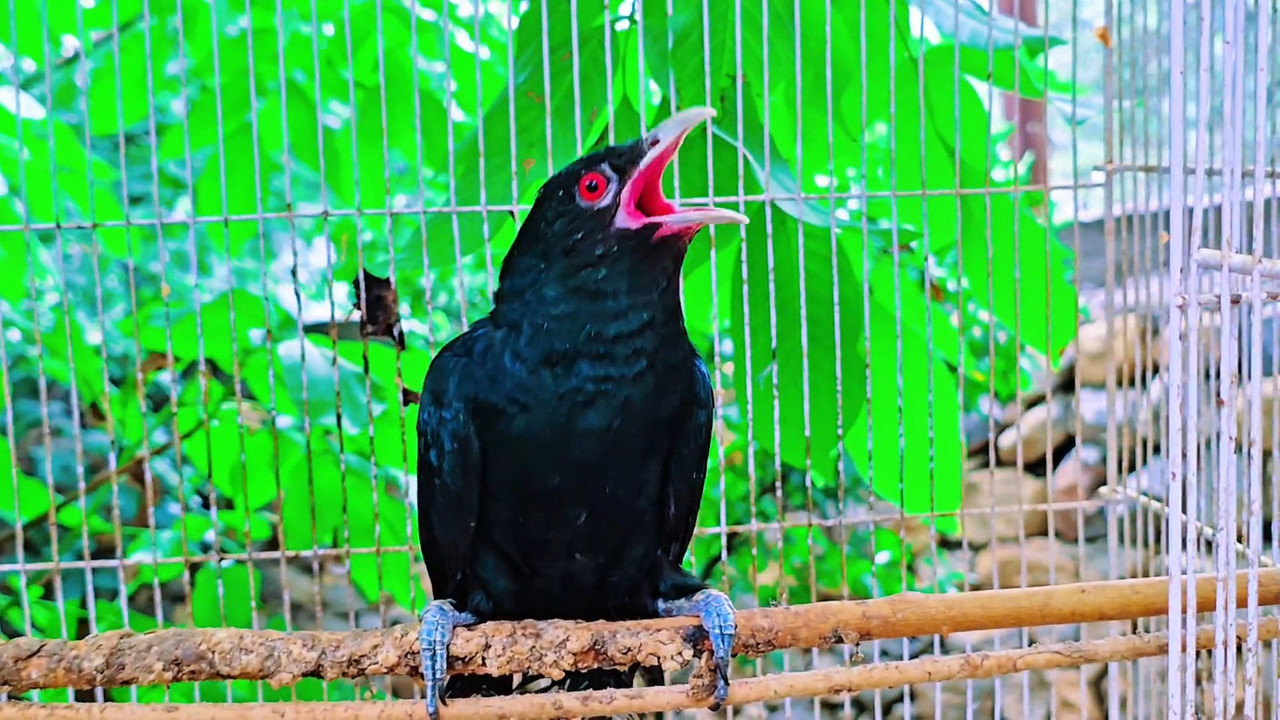
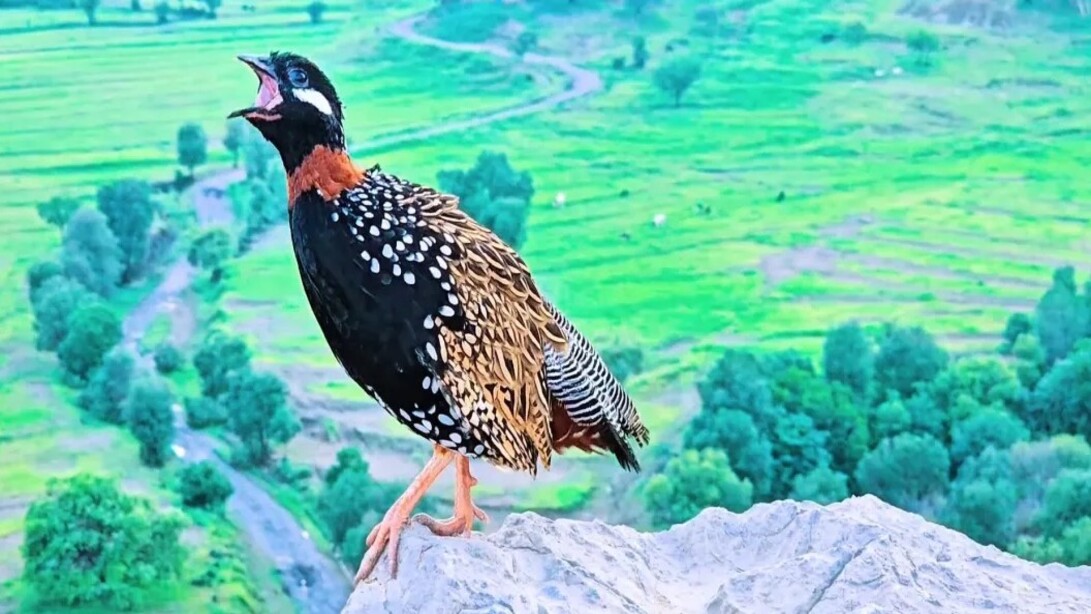
A bird's song is typically long, melodious, and complex. It's almost always sung by males, and it serves two very specific purposes directed at two very different audiences: other males and nearby females.
To other males, the song is a clear, firm declaration: This is my territory. I am strong. Stay away. What sounds like a lovely melody to us is actually a tense, high-stakes fencing match of vocal endurance. Two male nightingales, for example, can engage in extended singing duels where each tries to out-sing the other with more complex phrases, louder volume, and longer bouts. These duels often determine who gets the territory without a single physical blow.
To females, the song is an advertisement. A long, intricate, flawless song signals that the male is healthy, well-fed, intelligent, and has good genes — because only a bird in peak condition can afford to spend that much energy singing and survive the attention it draws from predators.
Remarkably, young songbirds learn their songs the way human children learn language: they listen to adult "tutors" around them, practice during a babbling phase, and eventually crystallize their own version. Some birds, like the white-crowned sparrow, will only ever sing the dialect of the local area, meaning birds from different regions literally speak with different "accents." A female will often favor the local dialect over a foreign one when choosing a mate.
🎵 Song Facts:
• Purpose: Territory defense + mate attraction
• Who Sings: Mostly males (but some females sing too)
• Learning: Young birds learn from adult tutors
• Dialects: Birds from different regions have different "accents"
• Song Duels: Nightingales engage in extended singing contests
Calls: The Everyday Conversation
If songs are formal speeches, calls are everyday chatter. Calls are short, simple, and used by both sexes year-round. A single bird species can have a surprisingly large vocabulary of distinct calls, each with a specific meaning. Here are some of the most important ones:
- Contact calls: The bird equivalent of "I'm here, where are you?" Birds in a flock moving through thick forest constantly chip back and forth to maintain cohesion.
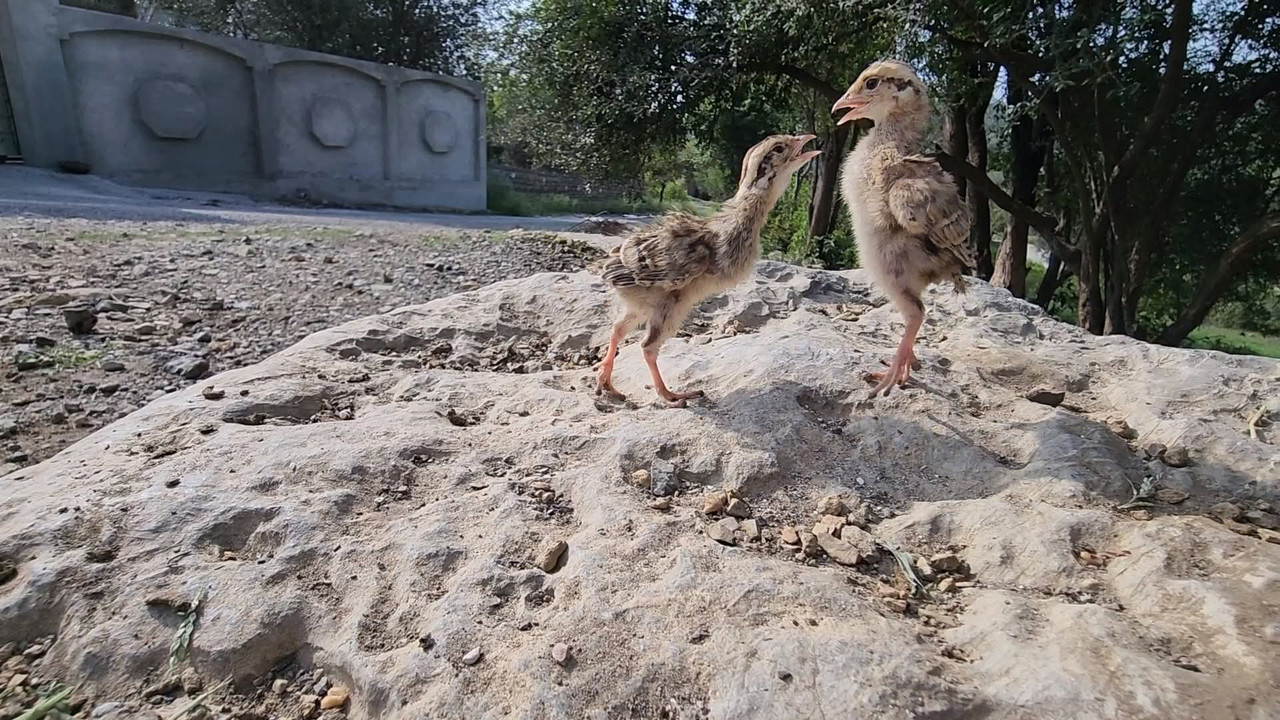
- Begging calls: Used by chicks to signal hunger to parents, and by some adult females during courtship to solicit feeding from males.
- Alarm calls: Where things get genuinely sophisticated. The Japanese tit has completely different alarm calls for "snake," "crow," and "hawk."
- Mobbing calls: A chaotic racket that rallies all nearby birds to harass a perched predator. Different species often understand each other's mobbing calls.
🔊 Amazing Call Facts:
• Referential Communication: Japanese tits have specific calls for specific predators
• Graded System: Black-capped chickadees add more "dees" for more dangerous predators
• Cross-Species: Different species understand each other's mobbing calls
• Information Encoding: Birds are not just making noise — they're encoding information
👀 The Body Language Dialogue
Sound isn't everything. Birds have an elaborate vocabulary of physical postures, movements, and gestures that speak just as clearly.
Posture Speaks First
A bird's baseline posture tells you its emotional state. A relaxed bird sits with slightly fluffed feathers, at ease. An alarmed bird instantly sleeks its feathers tight against the body and freezes, making itself as small and invisible as possible. An aggressive bird does the opposite: it puffs up, stretches tall, and may slightly spread its wings to look bigger. Two male robins facing off will stand erect, puff out their red breasts, and angle their bodies to show the maximum amount of color. It's a visual shouting match.
Head and Eye Signals
Direct, unblinking staring is a strong threat in bird language. Rivals lock eyes. A submissive bird will look away, breaking the stare to defuse conflict. Some species, like jays and parrots, have expressive crest feathers on their heads that they raise when agitated or excited and flatten when frightened or submissive. A raised crest among a flock can signal alertness that spreads almost instantly from bird to bird.
The Vocabulary of Wings and Tail
Wing flicking, tail wagging, and spreading all carry meaning. Many flycatchers and wagtails flick their tails and wings in specific patterns that signal mild alarm or agitation. During courtship, these movements become dramatic: the peacock spreads an enormous fan and vibrates it, producing a low-frequency sound that travels through the ground as well as the air.
Dance as Dialogue
Some of the most beautiful bird communication is choreographed dance. Japanese cranes bow, jump, flap, and call in elaborate synchronized duets that strengthen the lifelong bond between mates. Western grebes perform a breathtaking "rushing" display where a pair runs side by side across the surface of a lake, completely synchronized. If one bird falters, the dance fails. Success means the pair bond is solid.
🌈 The Secret Visual Channel We Can't See
This is perhaps the most humbling truth about bird communication: a huge portion of it is completely invisible to human eyes.
Birds can see into the ultraviolet spectrum. Their eyes possess a fourth type of cone cell that ours lack, opening up an entire dimension of color we simply cannot perceive. And birds use this extensively to communicate with each other.
Take the blue tit, a common European garden bird. Males and females look almost identical to us. But in the ultraviolet range, males have a brilliant, vivid crown patch that females lack. Studies have shown that females choose males based on the brightness of this UV crown — a signal of health and genetic quality that we literally cannot see. Two blue tits looking at each other are having a conversation about attractiveness using visual cues that are completely hidden from us, right in front of our faces.
European starlings are another dramatic example. To us, they look glossy dark with some iridescence. To each other, starlings glow with elaborate UV patterns that vary between the sexes and intensify during breeding season. A starling assessing a potential mate is reading a richly detailed status report that we're blind to.
👁️ UV Vision Facts:
• Birds see UV: They have a fourth cone cell type
• Blue Tit Crown: Males have UV-bright crowns invisible to us
• Starling Patterns: Elaborate UV patterns visible to other starlings
• Private Channel: Most predators can't see UV well
• Evolution's Secret: Birds can signal brightly while staying camouflaged to threats
🥁 Percussion, Mimicry, and Unconventional Signals
The toolkit expands beyond song and vision. Some birds communicate in ways that don't sound like birds at all.
Woodpeckers drum. That rapid-fire hammering on a hollow tree trunk or metal chimney isn't feeding — it's a territorial and courtship signal equivalent to a song. Each species has a characteristic drumming rhythm and speed.
The superb lyrebird of Australia takes vocal communication to an entirely different level. It doesn't just learn its own species' song — it listens to its environment and weaves a sonic tapestry of everything it hears: other bird species, camera shutters, car alarms, chainsaws, even human speech. A male lyrebird performs this intricate mimicry during elaborate song-and-dance displays, spreading his tail feathers like a shimmering curtain. The more diverse and accurate his mimicry, the more it demonstrates his intelligence, longevity, and experience.
🔄 Cross-Species Understanding
One of the most fascinating aspects of bird communication is that it isn't always species-specific. In mixed flocks of tits, nuthatches, and treecreepers that travel together through winter woods, the birds learn to recognize each other's alarm calls. A single nuthatch spotting a hawk doesn't just warn other nuthatches — its call sends chickadees, woodpeckers, and everyone else diving for cover. There is an interspecies lingua franca of survival.
Even more remarkable, some birds can understand the alarm calls of completely unrelated species — even mammals. Hornbills in Africa recognize the specific alarm calls that Diana monkeys make for leopards versus eagles and react accordingly. The forest is alive with cross-species eavesdropping, a web of shared understanding about danger.
In the End, We're Just Eavesdropping
So when you hear a robin singing on a spring morning or see two crows cawing at each other from rooftops, remember: you are witnessing only the smallest, most audible fragment of an incredibly rich exchange. There are territorial boundaries being redrawn. Alliances being tested. Warnings being shouted. Love songs being carefully judged. Secret UV ornaments glowing invisibly above your head.
Birds are not just making noise. They are speaking to each other — constantly, fluently, and in more dimensions than we can access. We walk through their conversations every day, largely oblivious.
And honestly? That's a pretty magical thing to think about the next time you step outside.
پرندے کیسے بات چیت کرتے ہیں – پرندوں کی خفیہ زبان
ہم ہر روز درختوں اور جھاڑیوں کے پاس سے گزرتے ہیں چہچہاہٹ، ٹویٹس اور گانے سنتے ہیں۔ ہمارے لیے یہ صرف خوشگوار پس منظر کا شور ہو سکتا ہے۔ لیکن پرندوں کے لیے، وہ درخت ایک ہنگامہ خیز شہر ہے، اور ہر آواز، حرکت، اور یہاں تک کہ رنگ کی ایک پوشیدہ جھلک ایک گفتگو ہے۔ پرندے صرف "گاتے" نہیں — وہ بحث کرتے ہیں، چھیڑ چھاڑ کرتے ہیں، خبردار کرتے ہیں، التجا کرتے ہیں، تسلی دیتے ہیں، اور گفت و شنید کرتے ہیں۔ سوال یہ ہے: وہ ایک دوسرے سے کیسے بات چیت کرتے ہیں؟
جواب ایک کثیر پرتوں والا نظام ہے جو زیادہ تر لوگوں کے خیال سے کہیں زیادہ پیچیدہ ہے۔ پرندے ایک دوسرے سے تین بڑے چینلز کے ذریعے بات کرتے ہیں: صوتی زبان، جسمانی زبان، اور ایک خفیہ بصری زبان جو ہم دیکھ بھی نہیں سکتے۔ آئیے ہر ایک کو الگ الگ دیکھتے ہیں۔
🎵 صوتی دنیا: گانے اور پکار
جب ہم پرندوں کی بات چیت کے بارے میں سوچتے ہیں تو ہم پہلے آواز کے بارے میں سوچتے ہیں۔ اور یہ درست بھی ہے — یہ پرندوں کے بات کرنے کا سب سے نمایاں طریقہ ہے۔ لیکن پرندوں کی تمام آوازیں ایک جیسی نہیں ہوتیں۔ وہ دو بڑی اقسام میں آتی ہیں: گانے اور پکار۔
گانے: طویل نشریات
پرندے کا گانا عام طور پر لمبا، سریلی اور پیچیدہ ہوتا ہے۔ یہ تقریباً ہمیشہ نر گاتے ہیں، اور یہ دو بہت مخصوص مقاصد کو پورا کرتا ہے جو دو بہت مختلف سامعین کی طرف ہدایت کیے جاتے ہیں: دوسرے نر اور قریبی مادہ۔
دوسرے نروں کے لیے، گانا ایک واضح، مضبوط اعلان ہے: یہ میرا علاقہ ہے۔ میں مضبوط ہوں۔ دور رہو۔ جو ہمیں ایک خوبصورت دھن لگتی ہے وہ دراصل ایک کشیدہ، اعلیٰ داؤ پر لگی آوازی برداشت کی لڑائی ہے۔ دو نر بلبل، مثال کے طور پر، طویل گانے کی لڑائیوں میں مصروف ہو سکتے ہیں جہاں ہر ایک دوسرے کو زیادہ پیچیدہ جملوں، تیز آواز اور لمبے دورانیے کے ساتھ مات دینے کی کوشش کرتا ہے۔ یہ لڑائیاں اکثر یہ طے کرتی ہیں کہ کسے علاقہ ملتا ہے بغیر کسی جسمانی ضرب کے۔
مادہ کے لیے، گانا ایک اشتہار ہے۔ ایک لمبا، پیچیدہ، بے عیب گانا اس بات کا اشارہ ہے کہ نر صحت مند، اچھی خوراک یافتہ، ذہین اور اچھے جینز رکھتا ہے — کیونکہ صرف ایک پرندہ جو بہترین حالت میں ہو اتنے زیادہ توانائی گانے میں خرچ کر سکتا ہے اور شکاریوں سے توجہ حاصل کرنے کے باوجود زندہ رہ سکتا ہے۔
🎵 گانے کے حقائق:
• مقصد: علاقے کا دفاع + ساتھی کو اپنی طرف متوجہ کرنا
• کون گاتا ہے: زیادہ تر نر (لیکن کچھ مادہ بھی گاتی ہیں)
• سیکھنا: نوجوان پرندے بالغ اساتذہ سے سیکھتے ہیں
• بولیاں: مختلف علاقوں کے پرندوں کی "بولیاں" مختلف ہوتی ہیں
پکار: روزمرہ کی گفتگو
اگر گانے رسمی تقریریں ہیں تو پکار روزمرہ کی باتیں ہیں۔ پکاریں مختصر، سادہ اور سال بھر دونوں جنسوں کے ذریعے استعمال ہوتی ہیں۔ ایک پرندے کی نسل کے پاس حیران کن طور پر بڑی تعداد میں الگ الگ پکاریں ہو سکتی ہیں، ہر ایک کا ایک مخصوص مطلب ہوتا ہے۔
- رابطہ پکاریں: پرندوں کا "میں ہوں، تم کہاں ہو؟" کے برابر۔ جنگل میں ایک جھنڈ میں پرندے مسلسل ایک دوسرے سے رابطہ کرتے رہتے ہیں۔
- التجا پکاریں: چوزے والدین کو بھوک کا اشارہ دینے کے لیے استعمال کرتے ہیں، اور کچھ بالغ مادہ بھی۔
- انتباہی پکاریں: جاپانی ٹٹ پرندے کے "سانپ،" "کوے،" اور "باز" کے لیے مکمل طور پر مختلف انتباہی پکاریں ہیں۔
- ہجوم پکاریں: ایک شور جو قریبی تمام پرندوں کو ایک شکاری کو تنگ کرنے کے لیے اکٹھا کرتا ہے۔
🔊 حیرت انگیز پکار کے حقائق:
• اشاراتی مواصلات: جاپانی ٹٹ کی مخصوص شکاریوں کے لیے مخصوص پکاریں
• درجہ بندی کا نظام: بلیک کیپڈ چکاڈی زیادہ خطرناک شکاری کے لیے زیادہ "ڈیز" شامل کرتے ہیں
• بین النسلی: مختلف نسلیں ایک دوسرے کی ہجوم پکاریں سمجھتی ہیں
👀 جسمانی زبان کی گفتگو
آواز ہی سب کچھ نہیں ہے۔ پرندوں کے پاس جسمانی کرنسیوں، حرکات اور اشاروں کی ایک وسیع لغت ہے جو اتنی ہی واضح طور پر بولتی ہے۔
کرنسی پہلے بولتی ہے
پرندے کی بنیادی کرنسی آپ کو اس کی جذباتی حالت بتاتی ہے۔ ایک آرام دہ پرندہ تھوڑے پھولے ہوئے پروں کے ساتھ بیٹھتا ہے۔ ایک خوفزدہ پرندہ فوری طور پر اپنے پروں کو جسم کے ساتھ چپکا لیتا ہے اور جم جاتا ہے، اپنے آپ کو جتنا ممکن ہو چھوٹا اور پوشیدہ بناتا ہے۔ ایک جارحانہ پرندہ اس کے برعکس کرتا ہے: یہ پھول جاتا ہے، لمبا کھڑا ہوتا ہے، اور بڑا دکھنے کے لیے اپنے پروں کو تھوڑا پھیلا سکتا ہے۔
سر اور آنکھ کے اشارے
براہ راست، بغیر پلک جھپکائے گھورنا پرندوں کی زبان میں ایک مضبوط دھمکی ہے۔ حریف آنکھیں بند کر لیتے ہیں۔ ایک مطیع پرندہ دور دیکھ لے گا، تنازعہ کو ختم کرنے کے لیے گھور توڑ دے گا۔ کچھ نسلیں، جیسے جیز اور طوطے، اپنے سروں پر اظہاری کلغی کے پر رکھتے ہیں جنہیں وہ مشتعل یا پرجوش ہونے پر اٹھاتے ہیں اور خوفزدہ یا مطیع ہونے پر چپکا دیتے ہیں۔
پروں اور دم کی لغت
پروں کا پھड़फड़انا، دم ہلانا اور پھیلانا سب کا مطلب ہے۔ بہت سے فلائی کیچرز اور ویگ ٹیلز مخصوص نمونوں میں اپنی دم اور پروں کو ہلاتے ہیں جو ہلکے خطرے یا بے چینی کا اشارہ دیتے ہیں۔ صحبت کے دوران، یہ حرکات ڈرامائی بن جاتی ہیں: مور ایک بہت بڑا پنکھا پھیلاتا ہے اور اسے ہلاتا ہے، ایک کم تعدد والی آواز پیدا کرتا ہے جو ہوا کے ساتھ ساتھ زمین سے بھی گزرتی ہے۔
رقص بطور گفتگو
سب سے خوبصورت پرندوں کی بات چیت میں سے کچھ کوریوگرافڈ رقص ہے۔ جاپانی کرینیں جھکتی ہیں، کودتی ہیں، پھڑپھڑاتی ہیں اور پکارتی ہیں وسیع مطابقت پذیر جوڑوں میں جو ساتھیوں کے درمیان زندگی بھر کے بندھن کو مضبوط کرتی ہیں۔ مغربی گریبز ایک لاجواب "رشنگ" ڈسپلے کرتے ہیں جہاں ایک جوڑا جھیل کی سطح پر ساتھ ساتھ دوڑتا ہے، مکمل طور پر ہم آہنگ۔
🌈 خفیہ بصری چینل جو ہم نہیں دیکھ سکتے
یہ شاید پرندوں کی بات چیت کے بارے میں سب سے حیران کن حقیقت ہے: اس کا ایک بہت بڑا حصہ انسانی آنکھوں کے لیے مکمل طور پر پوشیدہ ہے۔
پرندے الٹرا وایلیٹ اسپیکٹرم میں دیکھ سکتے ہیں۔ ان کی آنکھوں میں چوتھی قسم کے شنک خلیات ہوتے ہیں جو ہمارے پاس نہیں، رنگ کی ایک پوری جہت کھولتے ہیں جسے ہم محسوس نہیں کر سکتے۔ اور پرندے اسے ایک دوسرے کے ساتھ بات چیت کے لیے بڑے پیمانے پر استعمال کرتے ہیں۔
نیلی چوچی ایک عام یورپی باغی پرندہ ہے۔ نر اور مادہ ہمیں تقریباً ایک جیسے نظر آتے ہیں۔ لیکن الٹرا وایلیٹ رینج میں، نروں کے پاس ایک شاندار، چمکدار تاج کا نشان ہوتا ہے جو مادہ کے پاس نہیں ہوتا۔ مطالعات سے پتہ چلا ہے کہ مادہ اس UV تاج کی چمک کی بنیاد پر نروں کا انتخاب کرتی ہیں — صحت اور جینیاتی معیار کا ایک اشارہ جو ہم لفظی طور پر نہیں دیکھ سکتے۔
👁️ UV بصارت کے حقائق:
• پرندے UV دیکھتے ہیں: ان کے پاس چوتھی قسم کے شنک خلیات ہیں
• نیلی چوچی کا تاج: نروں کے پاس UV-چمکدار تاج ہیں جو ہمیں پوشیدہ ہیں
• ستارے کے نمونے: دوسرے ستاروں کو نظر آنے والے UV نمونے
• نجی چینل: زیادہ تر شکاری UV اچھی طرح نہیں دیکھ سکتے
🥁 ڈرم، نقل اور غیر روایتی اشارے
ٹول کٹ گانے اور بصارت سے آگے بڑھ جاتی ہے۔ کچھ پرندے ایسے طریقوں سے بات چیت کرتے ہیں جو بالکل پرندوں کی طرح نہیں لگتے۔
لکڑہٹے ڈرم بجاتے ہیں۔ کھوکھلے درخت کے تنے یا دھاتی چمنی پر تیز رفتار ہتھوڑا لگانا کھانا نہیں ہے — یہ گانے کے برابر ایک علاقائی اور صحبت کا اشارہ ہے۔ ہر نسل کی ایک خصوصی ڈرمنگ تال اور رفتار ہوتی ہے۔
آسٹریلیا کا شاندار لائر برڈ صوتی مواصلات کو مکمل طور پر ایک اور سطح پر لے جاتا ہے۔ یہ نہ صرف اپنی نسل کا گانا سیکھتا ہے بلکہ یہ اپنے ماحول کو سنتا ہے اور ہر اس چیز کی ایک آوازی ٹیپسٹری بناتا ہے جو یہ سنتا ہے: پرندوں کی دوسری نسلیں، کیمرے کے شٹر، کار الارم، چینساز، یہاں تک کہ انسانی تقریر۔
🔄 بین النسلی افہام و تفہیم
پرندوں کی بات چیت کا سب سے دلچسپ پہلو یہ ہے کہ یہ ہمیشہ مخصوص نسل کے لیے نہیں ہوتی۔ چوچیوں، نٹ ہیچز اور ٹری کریپرز کے مخلوط جھنڈوں میں جو سردیوں کی لکڑیوں میں ایک ساتھ سفر کرتے ہیں، پرندے ایک دوسرے کی انتباہی پکار کو پہچاننا سیکھتے ہیں۔ ایک باز کو دیکھنے والی ایک نٹ ہیچ نہ صرف دوسری نٹ ہیچز کو خبردار کرتی ہے — اس کی پکار چوچیوں، لکڑہٹوں اور ہر کسی کو چھپنے کے لیے بھیج دیتی ہے۔
اس سے بھی زیادہ قابل ذکر، کچھ پرندے مکمل طور پر غیر متعلقہ نسلوں — یہاں تک کہ ممالیہ جانوروں — کی انتباہی پکار کو سمجھ سکتے ہیں۔ افریقہ میں ہارن بل چڑھائیوں کی مخصوص پکار کو پہچانتے ہیں جو ڈیانا بندر چیتے بمقابلہ عقاب کے لیے کرتے ہیں اور اس کے مطابق ردعمل دیتے ہیں۔ جنگل بین النسلی جاسوسی کے ساتھ زندہ ہے، خطرے کے بارے میں مشترکہ تفہیم کا ایک جال۔
آخر میں، ہم صرف چھپ کر سن رہے ہیں
تو جب آپ بہار کی صبح کو کسی رابن کو گاتے ہوئے سنیں یا دو کووں کو چھتوں سے ایک دوسرے پر کائیں کرتے دیکھیں تو یاد رکھیں: آپ ایک ناقابل یقین حد تک بھرپور تبادلے کا صرف سب سے چھوٹا، سب سے زیادہ قابل سماعت ٹکڑا دیکھ رہے ہیں۔ علاقائی حدود دوبارہ کھینچی جا رہی ہیں۔ اتحاد کا امتحان لیا جا رہا ہے۔ انتباہات چیخے جا رہے ہیں۔ محبت کے گانوں کو احتیاط سے پرکھا جا رہا ہے۔ خفیہ UV زیورات آپ کے سر کے اوپر پوشیدہ طور پر چمک رہے ہیں۔
پرندے صرف شور نہیں مچا رہے۔ وہ ایک دوسرے سے بات کر رہے ہیں — مسلسل، روانی سے، اور ہم سے زیادہ جہتوں میں۔ ہم ہر روز ان کی بات چیت کے درمیان سے گزرتے ہیں، زیادہ تر بے خبر۔
اور ایمانداری سے؟ اگلی بار جب آپ باہر نکلیں تو یہ سوچنا ایک جادوئی بات ہے۔


0 comments:
Post a Comment