

Introduction
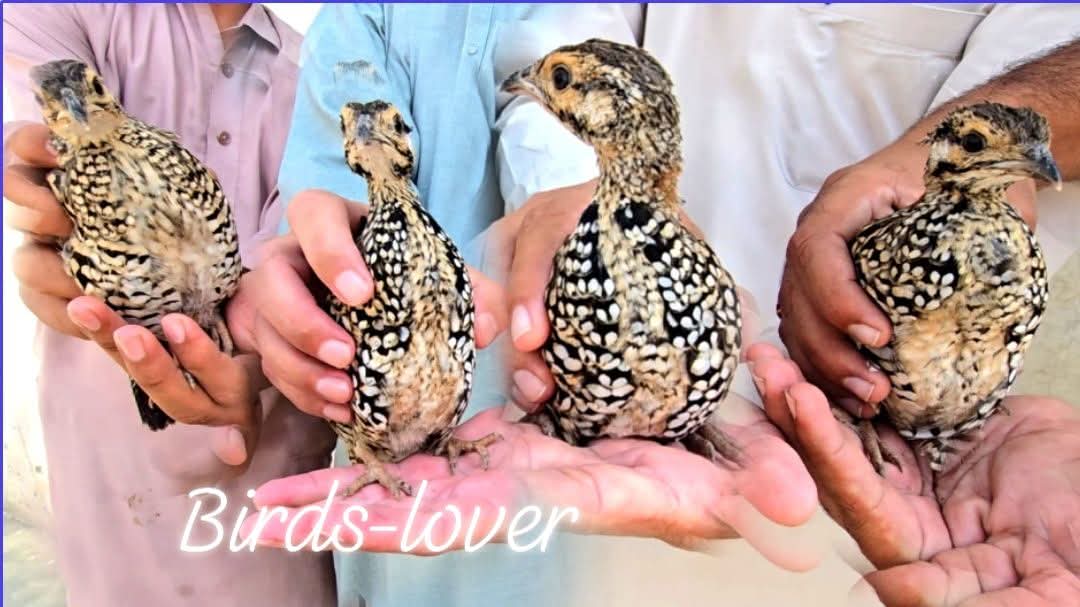
The Black Francolin (Francolinus francolinus) is a stunning ground bird native to South Asia. It belongs to the pheasant family and is often found in grasslands, agricultural fields, and dry scrub areas. Shy and secretive by nature, this bird is more often heard than seen.
Male vs Female
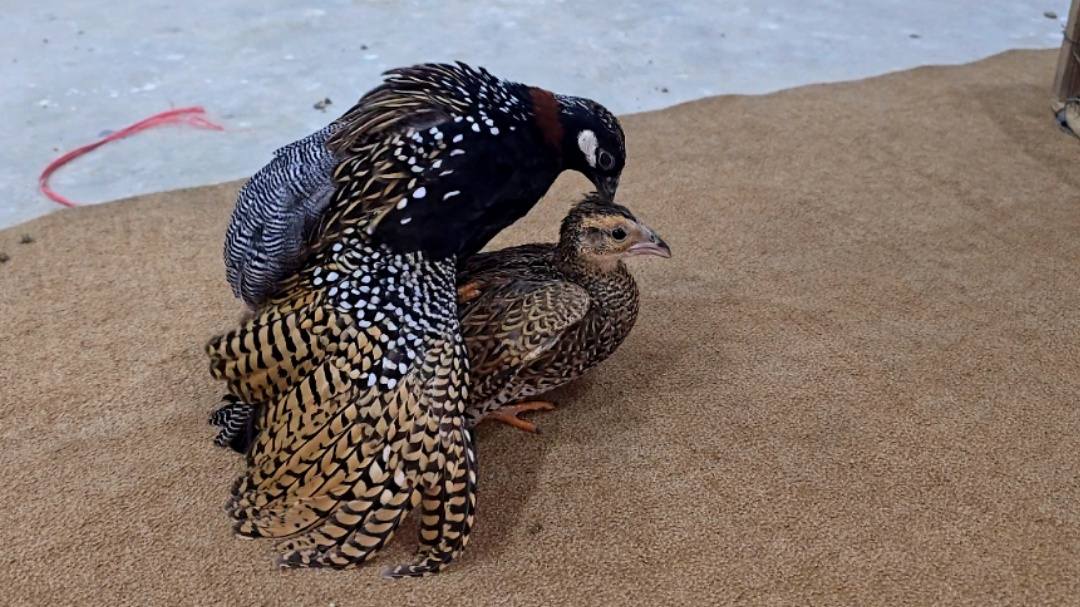
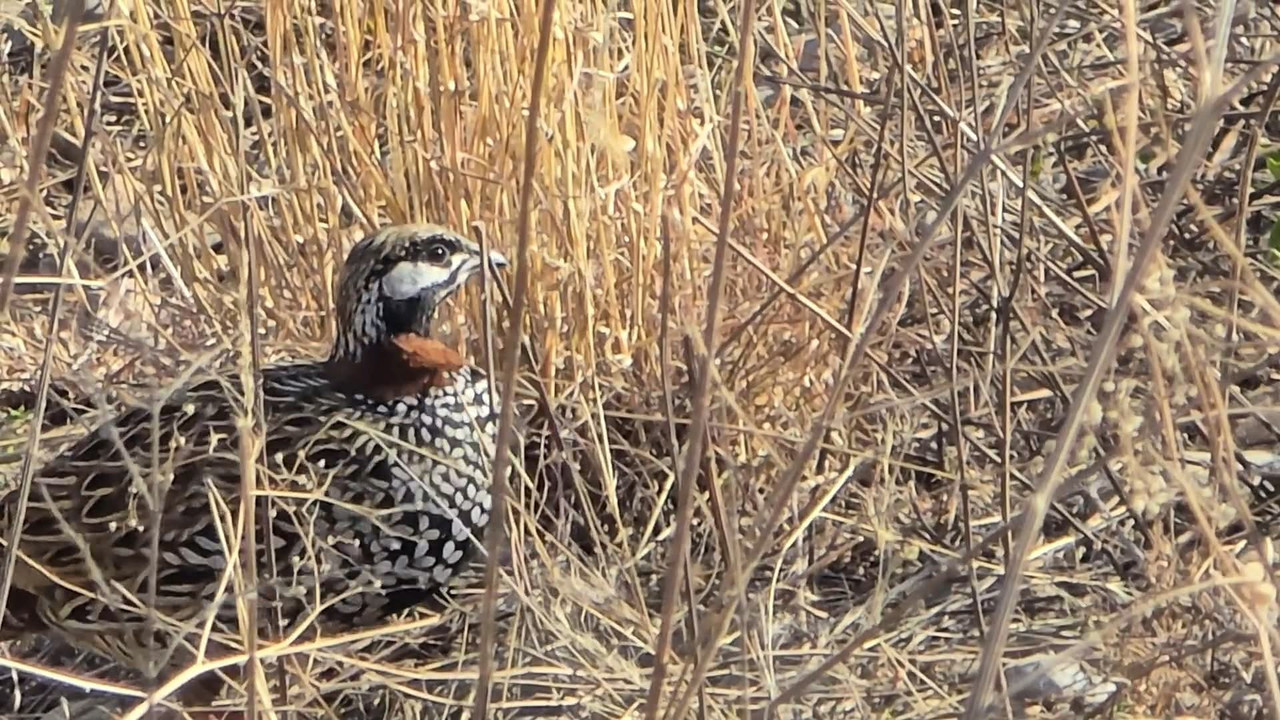
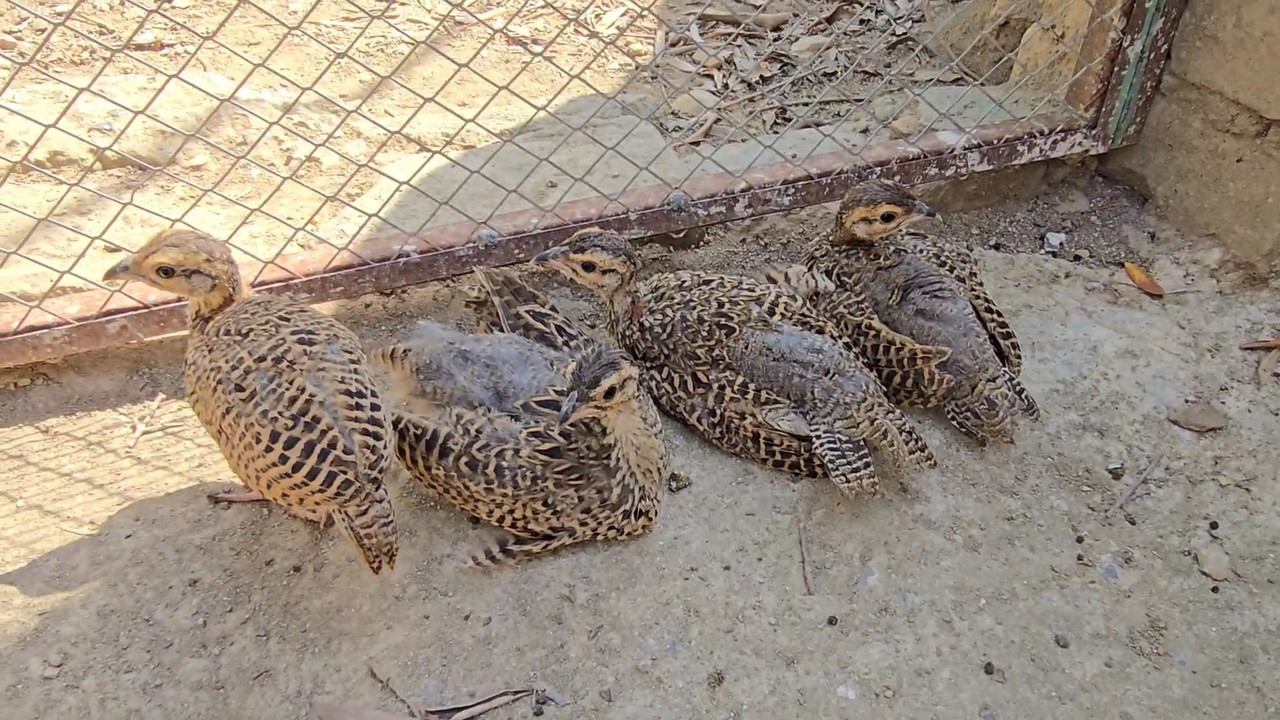
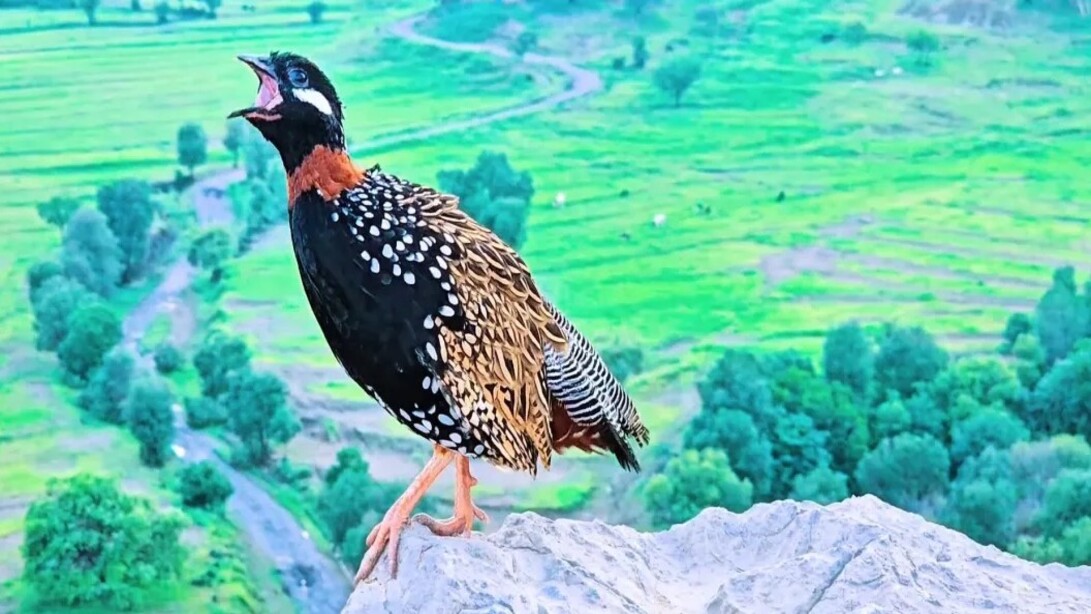
The male Black Francolin has a glossy black body, white cheek patches, and a brown collar. The female is dull brown with streaks, helping her hide in grass.

Male Black Francolin

Female Black Francolin
The Story Behind the Name – Black Francolin
The name "Francolin" comes from the Latin word francolinus, meaning "wild rooster." The word "Black" refers to the male's dark, glossy feathers. So Black Francolin means a wild rooster-like bird dressed in black.
Where It Lives
The Black Francolin lives in grasslands, agricultural fields, and dry scrub areas. It avoids dense forests and wet places. It prefers open land with tall grass where it can hide easily. You can find it in South Asian countries like India, Pakistan, Nepal, and Bangladesh. They are not city birds. They love open areas where they can see and hear other Black Francolins from a distance.

Shy Nature
The Black Francolin is a very shy and alert bird. It does not like to fly. When scared, it runs and hides in tall grass instead of taking flight. It stays quiet during the day and becomes more active in the early morning and evening. This bird trusts its legs more than its wings.
Breeding Season
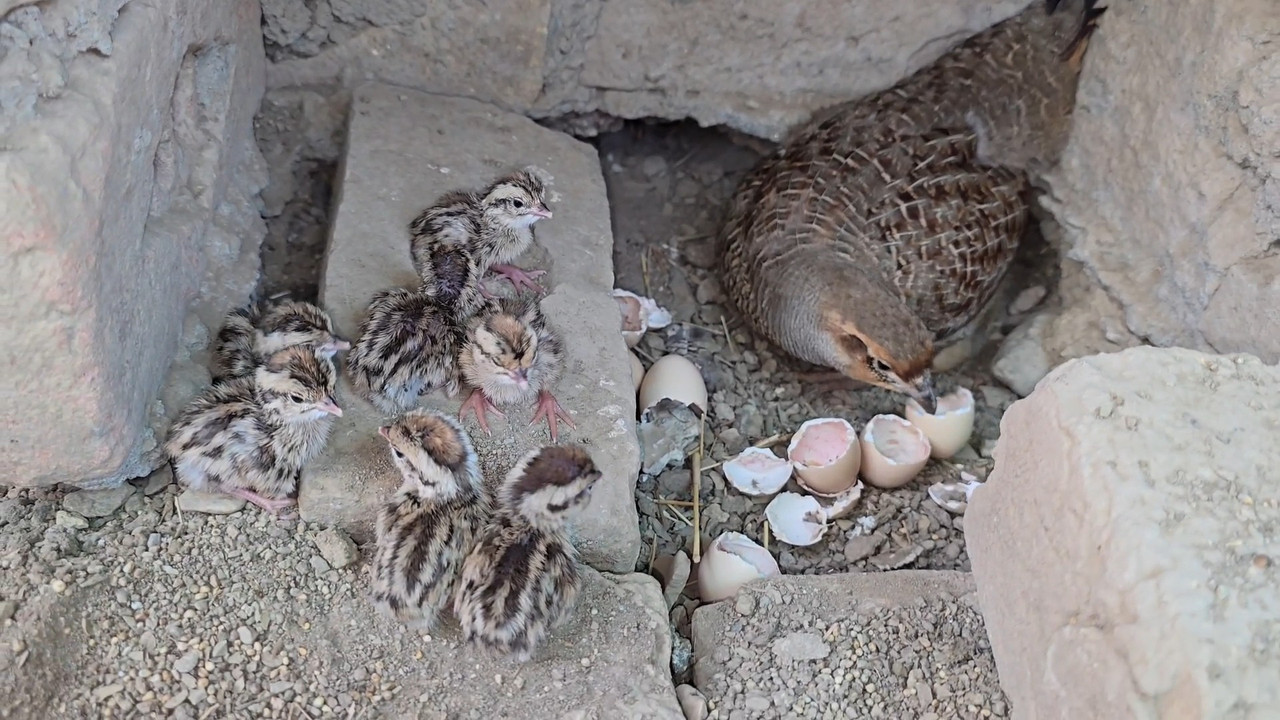
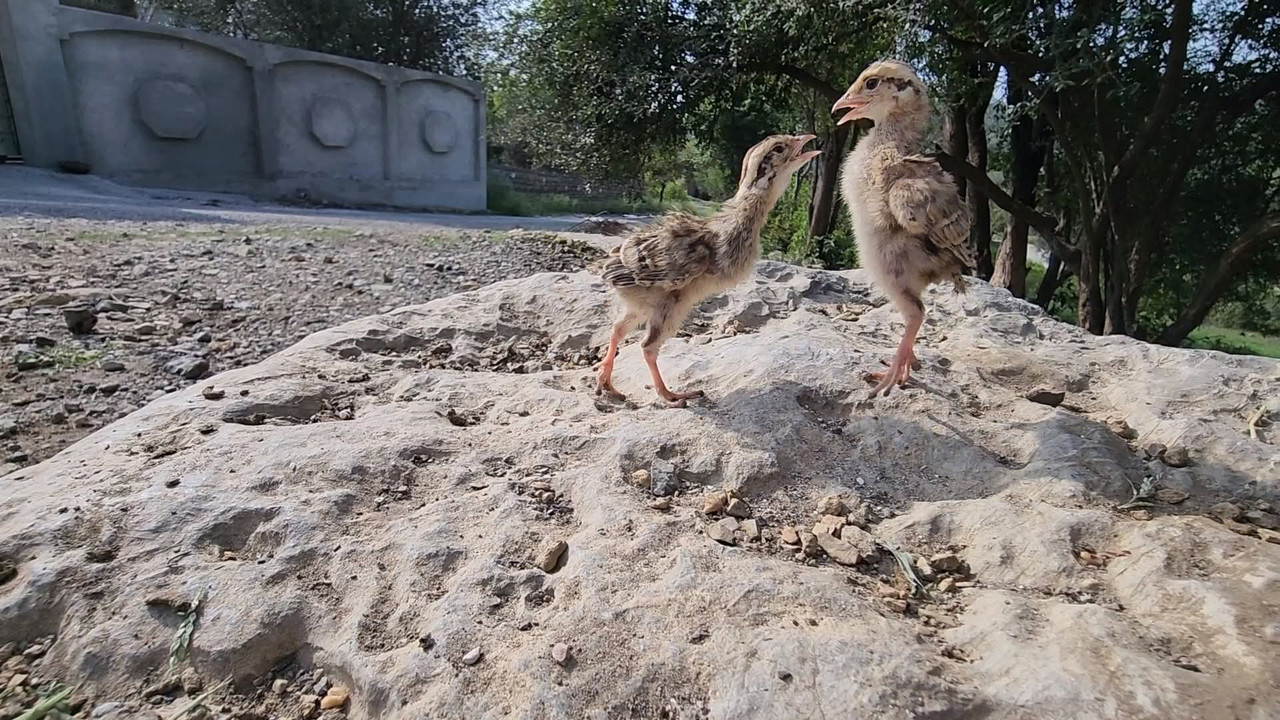
The breeding season of the Black Francolin is from April to September. During this time, males and females come together to find a mate and build a nest on the ground hidden in tall grass or bushes. The female lays 6 to 12 eggs and sits on them alone. After the breeding season ends, they separate again. For the rest of the year, they do not see each other. They only come together for the season.

Threats
The Black Francolin faces many dangers. Hunting is a major threat — most people hunt them during the breeding season when the birds are more active and easier to find. People hunt them for food, sport, and even for keeping as pets. Their habitat is also disappearing because farmers turn grasslands into crop fields and cities are growing. Many eggs and chicks are eaten by wild cats, snakes, and large birds. Because of these threats, their numbers are going down in many places.


Fun Fact
The Black Francolin is heard more often than seen. Its loud "kik-kik-kik" call can travel far across grasslands, but the bird itself stays hidden in tall grass. Even experienced birdwatchers struggle to spot one. Once you learn its call, you will realize it is everywhere around you — even if you never see it.
📖 Thank you for reading. This was our post about the Black Francolin. We hope you learned something new about this beautiful bird. Share it with other bird lovers. Do you have a Black Francolin? Or do you want to have one? Write to us in the comments.
تعارف
کالا تیتر جنوبی ایشیا کا خوبصورت زمینی پرندہ ہے۔ یہ تیتر خاندان سے تعلق رکھتا ہے اور اکثر گھاس کے میدانوں، کھیتوں اور خشک جھاڑیوں والے علاقوں میں پایا جاتا ہے۔ فطرتاً شرمیلا اور مخفی رہنے والا یہ پرندہ دیکھنے سے زیادہ سنا جاتا ہے۔
نر اور مادہ
نر کالا تیتر کا جسم چمکدار سیاہ، گالوں پر سفید دھبے اور بھورا حلقہ ہوتا ہے۔ مادہ ہلکے بھورے رنگ پر دھاریوں والی ہوتی ہے، جو اسے گھاس میں چھپنے میں مدد دیتی ہے۔
کالا تیتر - نر
کالا تیتر - مادہ
نام کی کہانی – کالا تیتر
اردو میں اسے "کالا تیتر" کہا جاتا ہے۔ "کالا" اس کے سیاہ رنگ کی وجہ سے ہے، اور "تیتر" ایک مشہور زمینی پرندے کا نام ہے۔ یہ نام سادہ اور سیدھا ہے — بالکل ویسا ہی جیسا یہ پرندہ حقیقت میں ہے۔
رہائش گاہ
کالا تیتر گھاس کے میدانوں، کھیتوں اور خشک جھاڑیوں والے علاقوں میں رہتا ہے۔ یہ گھنے جنگلوں اور گیلی جگہوں سے بچتا ہے۔ اسے کھلی زمین اور لمبی گھاس پسند ہے جہاں یہ آسانی سے چھپ سکے۔ یہ جنوبی ایشیائی ممالک جیسے بھارت، پاکستان، نیپال اور بنگلہ دیش میں پایا جاتا ہے۔ یہ شہری پرندے نہیں ہیں۔ یہ کھلے علاقوں کو پسند کرتے ہیں جہاں وہ دوسرے کالے تیتروں کو دیکھ اور سن سکیں۔
شرمیلا مزاج
کالا تیتر بہت شرمیلا اور چوکنا پرندہ ہے۔ یہ اڑنا پسند نہیں کرتا۔ جب ڈرتا ہے تو اڑنے کے بجائے دوڑ کر لمبی گھاس میں چھپ جاتا ہے۔ یہ دن کے وقت خاموش رہتا ہے اور صبح سویرے اور شام کے وقت زیادہ متحرک ہو جاتا ہے۔ یہ پرندہ اپنے پروں سے زیادہ اپنی ٹانگوں پر بھروسہ کرتا ہے۔
افزائش کا موسم
کالا تیتر کا افزائش کا موسم اپریل سے ستمبر تک ہوتا ہے۔ اس دوران نر اور مادہ ایک ساتھ آتے ہیں تاکہ جوڑا بنائیں اور زمین پر لمبی گھاس یا جھاڑیوں میں چھپا ہوا گھونسلا بنائیں۔ مادہ 6 سے 12 انڈے دیتی ہے اور اکیلے ان پر بیٹھتی ہے۔ افزائش کا موسم ختم ہونے کے بعد، وہ پھر سے الگ ہو جاتے ہیں۔ باقی سال بھر، وہ ایک دوسرے کو نہیں دیکھتے۔ وہ صرف موسم کے لیے اکٹھے ہوتے ہیں۔
خطرات
کالا تیتر کو بہت سے خطرات لاحق ہیں۔ شکار ایک بڑا خطرہ ہے — زیادہ تر لوگ افزائش کے موسم میں ان کا شکار کرتے ہیں جب پرندے زیادہ متحرک اور ڈھونڈنے میں آسان ہوتے ہیں۔ لوگ انہیں کھانے، شوق، اور پالتو جانور کے طور پر رکھنے کے لیے شکار کرتے ہیں۔ ان کی رہائش گاہ بھی ختم ہو رہی ہے کیونکہ کسان گھاس کے میدانوں کو کھیتوں میں تبدیل کر رہے ہیں اور شہر پھیل رہے ہیں۔ بہت سے انڈے اور چوزے جنگلی بلیوں، سانپوں اور بڑے پرندوں کا شکار بن جاتے ہیں۔ ان خطرات کی وجہ سے، بہت جگہوں پر ان کی تعداد کم ہو رہی ہے۔
دلچسپ حقیقت
کالا تیتر دیکھنے سے زیادہ سنا جاتا ہے۔ اس کی تیز "کِک کِک کِک" آواز گھاس کے میدانوں میں بہت دور تک سنائی دیتی ہے، لیکن پرندہ خود لمبی گھاس میں چھپا رہتا ہے۔ تجربہ کار پرندہ دیکھنے والوں کو بھی اسے ڈھونڈنے میں مشکل ہوتی ہے۔ ایک بار جب آپ اس کی آواز پہچان لیں گے، تو آپ کو احساس ہوگا کہ یہ آپ کے اردگرد ہر جگہ ہے — چاہے آپ اسے کبھی دیکھیں نہیں۔
📖 پڑھنے کا شکریہ۔ یہ تھی ہماری تحریر کالا تیتر کے بارے میں۔ ہم امید کرتے ہیں کہ آپ نے اس خوبصورت پرندے کے بارے میں کچھ نیا سیکھا ہوگا۔ اسے دوسرے پرندوں سے محبت کرنے والوں کے ساتھ شیئر کریں۔ کیا آپ کے پاس کالا تیتر ہے؟ یا آپ اسے رکھنا چاہیں گے؟ ہمیں کمنٹس میں لکھیں


0 comments:
Post a Comment