

🔊 First, Understand This: Screaming Is Normal
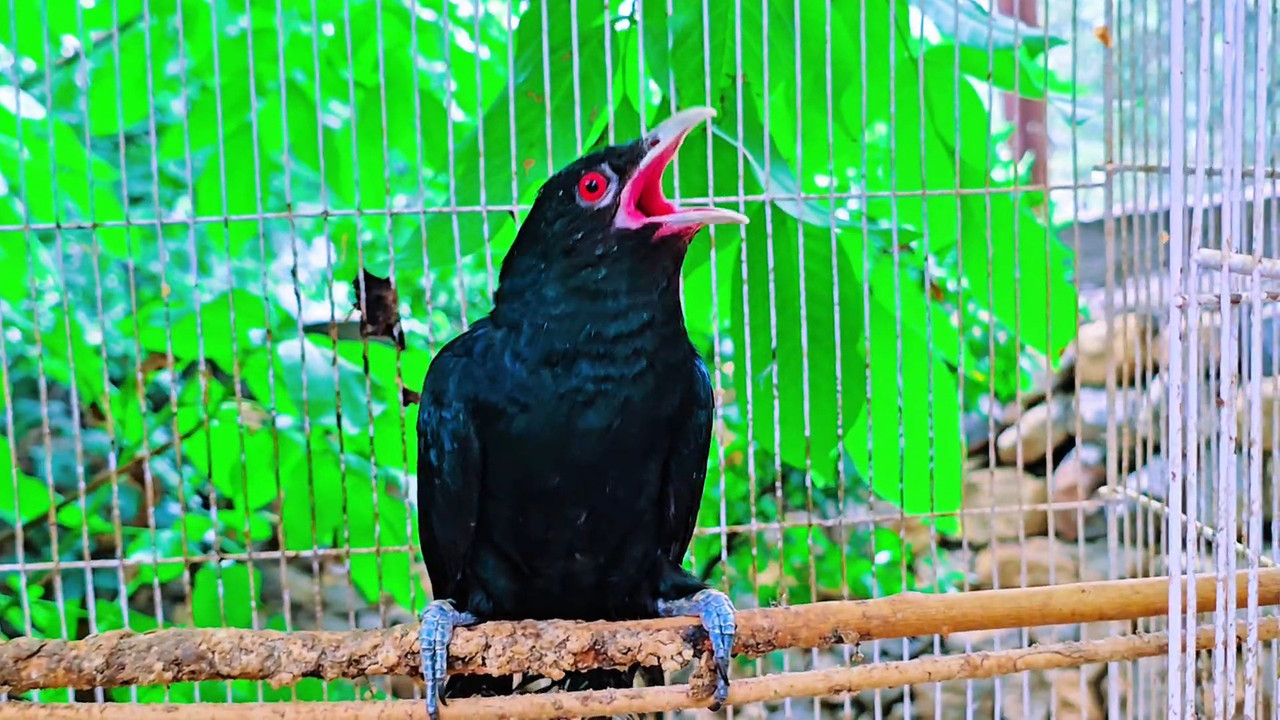
Before we fix anything, we need to reset expectations. In the wild, parrots are some of the loudest animals on the planet. A flock of macaws flying over the Amazon at dawn can be heard from kilometers away. Cockatoos in Australia screech so loudly that whole neighborhoods know when a flock passes overhead. Calling loudly is how parrots stay in touch with their flock, warn of danger, and simply express the joy of being alive and flying.
Your living room is now your bird's territory, and you are its flock. A certain amount of daily vocalization — the morning greeting chorus, the evening wind-down chatter — is completely healthy and should never be punished. The goal is not a silent bird. A silent parrot is usually a sick or depressed parrot. Our goal is to reduce the excessive, nonstop, stress-driven screaming to a level everyone can live with.
So when is screaming a problem? When it is constant, when it happens for hours, when it is paired with signs of stress like feather plucking or pacing, or when it is clearly a learned behavior that gets worse every week. That is the screaming we are going to work on.
🙋 Cause #1: Attention Screaming (The Most Common One)
Here is how attention screaming is born. Your bird lets out a loud call. You walk over to see what is wrong. The bird learns: loud noise = human appears. Next time, it screams a little louder. You come running a little faster. Within a few weeks, you have trained your bird — perfectly, accidentally — to scream for your attention. And it works every single time.
Parrots are brilliant at reading cause and effect. Even negative attention counts. If you yell "QUIET!" from the other room, your bird hears a flock member calling back loudly — which is actually encouraging. If you rush in looking worried, that is a reward too. To a lonely parrot, any response is better than silence.
The fix: This is the hardest one because it requires you to change first. When the screaming starts, do not rush in, do not yell back, do not even look at the bird. Wait for a moment of quiet — even two seconds of silence — and then walk in calmly with praise or a small treat. You are teaching the bird that quiet brings you, not screaming. It feels backwards at first, and the screaming may get worse for a few days (this is called an extinction burst — the bird tries harder before giving up the old trick). Stay consistent. Most owners see real improvement within two to three weeks.
🥱 Cause #2: Boredom and Loneliness

The fix: Make your bird work for its food. Wrap treats in paper, hide nuts inside cardboard boxes, use foraging toys where the bird has to pull, twist, and chew to get a reward. Rotate toys every week so there is always something "new." Move the cage to a spot with a view — a window with passing birds and changing light is parrot television. And most importantly, give your bird real out-of-cage time with you every day. Even an hour of sitting on your shoulder while you work changes everything. A tired, busy beak is a quiet beak.
😨 Cause #3: Fear, Pain, or Something Wrong in the Environment
Not all screaming is behavioral. Sometimes your bird is genuinely telling you something is wrong. A sudden change — a new piece of furniture, a balloon, a ceiling fan, a cat staring from the hallway — can terrify a prey animal. Birds also scream when they are in pain, though they hide illness well. If your normally chatty bird suddenly starts screaming in a different tone, or screams while fluffed up, sitting low on the perch, or refusing food, treat it as a possible health issue first.
Also check the basics: Is the cage too close to a noisy TV or a drafty window? Is a new pet stressing the bird? Did the daylight hours suddenly change? Birds are creatures of habit, and environmental stress builds up quietly until it comes out as screaming.
The fix: Play detective. Note when the screaming happens — what time, what was going on, who was in the room. Look for patterns over a week. Remove or desensitize the scary trigger slowly. And if anything about the bird's body language or droppings looks off, see an avian vet before assuming it is "just behavior." Ruling out pain and illness is always step one.
💕 Cause #4: Hormones and Breeding Season
Every spring, bird forums fill up with the same complaint: "My sweet bird has turned into a screaming monster!" Welcome to breeding season. Longer daylight hours trigger hormonal surges in parrots, and a hormonal bird is louder, more territorial, and more demanding. Cockatoos, Amazons, and conures are famous for their springtime volume spike. You might also be accidentally encouraging hormones without realizing it. Petting your bird on its back, wings, or under the tail mimics mating behavior. Letting it nest in dark corners, shred boxes into "nests," or guard a favorite person all pour fuel on the hormonal fire.
The fix: Keep daylight exposure to around 10–12 hours by covering the cage at night. Limit petting to the head and neck only. Remove nest-like spaces and shreddable nesting material during spring. Rearrange the cage occasionally — a changing territory feels less like a nest site. The season will pass, and so will the worst of the screaming.
🛠️ The Calm-Down Toolkit: What Actually Works

Practice "independent play." Many screaming birds have learned they cannot be alone for five minutes. Build this gradually: leave the room for thirty seconds while the bird has a foraging toy, return before the screaming starts, and slowly stretch the time. Background sound helps too — soft music or nature sounds make an empty house feel less empty.
❌ What NOT to Do (These Make It Worse)
Let us be blunt about the common mistakes, because they are everywhere. Do not punish. Yelling, spraying water, shaking the cage, or hitting teaches your bird that you are scary — it does not teach quiet. A frightened parrot may go silent for a day and then scream twice as much, or start plucking its feathers from stress.
Do not cover the cage as punishment. A dark cover in the middle of the day confuses the bird's sense of time and can increase anxiety. Covers are for bedtime, not discipline. Do not give up and rehome at the first hard month. Screaming problems are fixable in the vast majority of cases, but they need weeks of consistency, not days.
And please, do not consider surgical devocalization or other extreme measures. These procedures are cruel, risky, and banned or condemned by avian veterinary associations in many places. A bird's voice is part of who it is.
🌅 Final Thought: Listen Before You Fix
Here is what years of watching parrots has taught me: screaming is communication. Your bird is not trying to ruin your day. It is saying "I'm lonely," or "I'm bored," or "Something scared me," or simply "Good morning, flock!" in the only voice it has.
The owners who solve screaming are the ones who get curious instead of angry. They watch, they adjust, they stay patient through the extinction burst, and one day they realize the house has been peaceful for a week. Not silent — parrots are never silent — but peaceful. That is the goal, and it is absolutely within your reach.
If the screaming came on suddenly, or comes with any sign of illness, see an avian vet first. Otherwise, pick one strategy from this guide, commit to it for three weeks, and watch what changes. Your bird — and your neighbors — will thank you. 🐦




0 Comments