

Parrot Breeding Season - A Complete Guide
Parrot Breeding Season – A Complete Guide
Breeding season is one of the most exciting yet delicate times for parrot owners. It's a period filled with hormonal changes, nesting preparations, and the hope of new life. But it also comes with risks and responsibilities that many beginners overlook. Whether you're planning to breed your parrots or simply want to understand their seasonal behavior, knowing the basics can make all the difference. In this post, we'll cover five essential things every parrot lover should know about breeding season — from spotting the signs to providing the right diet and avoiding common mistakes. Let's dive in.
1. When Exactly Is Parrot Breeding Season?

2. How to Tell If Your Parrot Is Ready to Mate

- Increased vocalization – Loud calling, repetitive sounds, or new types of chatter
- Regurgitating food – Offering food to you, their cage mate, or even toys as a sign of affection
- Feather fluffing and wing drooping – A physical sign that hormones are becoming active
- Tail lifting – Especially in females, this signals receptiveness to mating
- Territorial behavior – Protecting a favorite perch, corner, or cage area aggressively
- Increased chewing or shredding – Instinctively preparing nesting materials like paper or wood
- Nesting behavior – Spending more time in dark corners or hiding spots
- Bonding displays – Mutual preening, sitting close together, or feeding each other

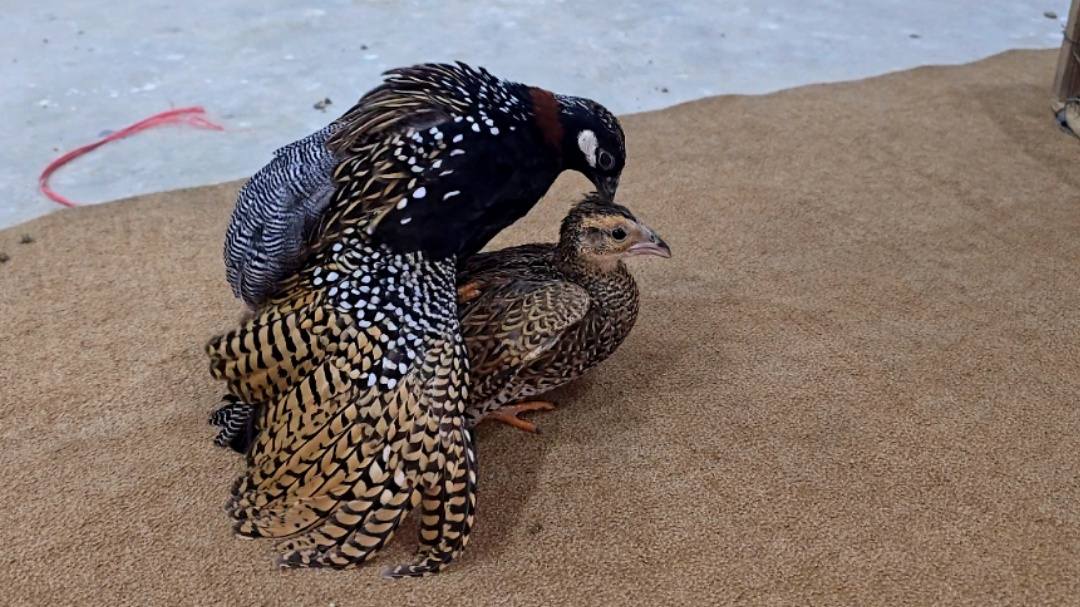
Bonding parrots - signs of readiness
💡 Key Point: Keep a daily log of your parrot's behavior. These signs usually appear gradually over 2-3 weeks before peak breeding readiness.
3. The Right Nesting Box Makes All the Difference

4. What to Feed Breeding Parrots (It's Not Just Seeds)

- Calcium sources: Cuttlebone, mineral blocks, crushed eggshells, or calcium powder sprinkled over food
- Protein sources: Hard-boiled eggs (with shell crushed), cooked lentils, chickpeas, or small pieces of cooked chicken
- Fresh vegetables: Spinach, kale, broccoli, carrots, and sweet potatoes — rich in vitamin A and iron
- Fresh fruits: Apple, papaya, and berries in moderation for natural vitamins
- Grains: Cooked brown rice, oats, or quinoa for energy
- Avoid: Avocado, chocolate, caffeine, onions, and salty or sugary foods — all toxic to parrots
🥚 Quick Diet Guide for Breeding Parrots:
• Calcium: Cuttlebone, crushed eggshells, mineral blocks
• Protein: Hard-boiled eggs, cooked lentils, chickpeas
• Vegetables: Spinach, kale, broccoli, carrots
• Fruits: Apple, papaya, berries (moderate)
• Avoid: Avocado, chocolate, caffeine, onions, sugary foods
5. Common Mistakes That Ruin Breeding Success
Many first-time breeders unintentionally make errors that reduce the chances of success. Over-handling or constantly peeking into the nest can frighten the female and cause her to abandon the eggs. Poor cage hygiene leads to bacteria growth, which can infect both the parents and the parrot babies. Some owners also fail to separate aggressive or incompatible pairs, which can result in injuries or stress. Another common mistake is not providing enough quiet time — loud noises or frequent disruptions can disturb the breeding cycle. Ignoring early warning signs like weight loss, lethargy, or changes in droppings can turn a minor issue into a major problem. Lastly, many forget to gradually reduce daylight hours after breeding ends, which helps the parrot's hormones return to normal and prevents year-round breeding stress.
⚠️ Common Mistakes to Avoid:
• Over-handling or constantly peeking into the nest
• Poor cage hygiene and bacteria growth
• Not separating aggressive or incompatible pairs
• Too much noise or frequent disruptions
• Ignoring early warning signs (weight loss, lethargy)
• Not reducing daylight hours after breeding ends

طوطوں کی افزائش کا موسم - ایک مکمل رہنما
طوطوں کی افزائش کا موسم – ایک مکمل رہنما
افزائش کا موسم طوطوں کے مالکان کے لیے سب سے دلچسپ اور نازک اوقات میں سے ایک ہے۔ یہ ہارمونل تبدیلیوں، گھونسلے کی تیاریوں اور نئی زندگی کی امید سے بھرا ہوا وقت ہے۔ لیکن اس کے ساتھ خطرات اور ذمہ داریاں بھی آتی ہیں جنہیں بہت سے ابتدائی افراد نظر انداز کر دیتے ہیں۔ چاہے آپ اپنے طوطوں کی افزائش کا منصوبہ بنا رہے ہیں یا صرف ان کے موسمی رویے کو سمجھنا چاہتے ہیں، بنیادی باتوں کا علم بہت فرق پیدا کر سکتا ہے۔ اس تحریر میں ہم پانچ ضروری چیزوں کا احاطہ کریں گے جو ہر طوطے سے محبت کرنے والے کو افزائش کے موسم کے بارے میں جاننی چاہئیں — علامات کو پہچاننے سے لے کر صحیح خوراک فراہم کرنے اور عام غلطیوں سے بچنے تک۔ آئیے شروع کرتے ہیں۔
1. طوطوں کی افزائش کا موسم بالکل کب ہوتا ہے؟
2. کیسے پہچانیں کہ آپ کا طوطا ملاپ کے لیے تیار ہے
- آواز میں اضافہ – تیز آوازیں، بار بار آوازیں، یا نئی قسم کی چہچہاہٹ
- خوراک کو دوبارہ نکالنا – آپ کو، ان کے پنجرے کے ساتھی کو، یا یہاں تک کہ کھلونوں کو خوراک پیش کرنا محبت کی علامت کے طور پر
- پروں کا پھولنا اور جھکنا – ایک جسمانی علامت کہ ہارمونز فعال ہو رہے ہیں
- دم کا اٹھنا – خاص طور پر مادہ میں، یہ ملاپ کے لیے تیاری کا اشارہ ہے
- علاقائی رویہ – کسی پسندیدہ جگہ، کونے یا پنجرے کے علاقے کی جارحانہ حفاظت
- چبانے یا پھاڑنے میں اضافہ – فطری طور پر گھونسلے کا سامان تیار کرنا جیسے کاغذ یا لکڑی
- گھونسلے کا رویہ – اندھیرے کونوں یا چھپنے کی جگہوں پر زیادہ وقت گزارنا
- جوڑے کے رویے – ایک دوسرے کے پر صاف کرنا، قریب بیٹھنا، یا ایک دوسرے کو کھانا کھلانا
طوطوں کا جوڑا - تیاری کی علامات
💡 اہم بات: اپنے طوطے کے رویے کا روزانہ ریکارڈ رکھیں۔ یہ علامات عام طور پر افزائش کی چوٹی کی تیاری سے 2-3 ہفتے پہلے آہستہ آہستہ ظاہر ہوتی ہیں۔
3. صحیح گھونسلے کا خانہ بہت فرق پیدا کرتا ہے
4. افزائش کے دوران طوطوں کو کیا کھلائیں (صرف بیج نہیں)
- کیلشیم کے ذرائع: کٹل بون، منرل بلاکس، پسے ہوئے انڈے کے چھلکے، یا کیلشیم پاؤڈر خوراک پر چھڑکا ہوا
- پروٹین کے ذرائع: ابلے ہوئے انڈے (چھلکے سمیت پسے ہوئے)، پکی ہوئی دال، چنے، یا پکے ہوئے چکن کے چھوٹے ٹکڑے
- تازہ سبزیاں: پالک، کیل، بروکولی، گاجر، اور شکر قندی — وٹامن اے اور آئرن سے بھرپور
- تازہ پھل: سیب، پپیتا، اور بیر معتدل مقدار میں قدرتی وٹامنز کے لیے
- اناج: پکا ہوا براؤن چاول، جئی، یا کوئنو توانائی کے لیے
- پرہیز کریں: ایوکاڈو، چاکلیٹ، کیفین، پیاز، اور نمکین یا میٹھی چیزیں — یہ سب طوطوں کے لیے زہریلی ہیں
🥚 افزائش کے طوطوں کے لیے خوراک کی فوری رہنمائی:
• کیلشیم: کٹل بون، پسے ہوئے انڈے کے چھلکے، منرل بلاکس
• پروٹین: ابلے ہوئے انڈے، پکی ہوئی دال، چنے
• سبزیاں: پالک، کیل، بروکولی، گاجر
• پھل: سیب، پپیتا، بیر (معتدل مقدار میں)
• پرہیز کریں: ایوکاڈو، چاکلیٹ، کیفین، پیاز، میٹھی چیزیں
5. عام غلطیاں جو افزائش کی کامیابی کو برباد کر دیتی ہیں
بہت سے پہلی بار افزائش کرنے والے نادانستہ طور پر ایسی غلطیاں کرتے ہیں جو کامیابی کے امکانات کو کم کر دیتی ہیں۔ زیادہ چھیڑ چھاڑ یا گھونسلے میں بار بار جھانکنا مادہ کو ڈرا سکتا ہے اور انڈے چھوڑنے کا سبب بن سکتا ہے۔ خراب پنجرے کی صفائی بیکٹیریا کی افزائش کا باعث بنتی ہے، جو والدین اور طوطے کے بچوں دونوں کو متاثر کر سکتی ہے۔ کچھ مالک جارحانہ یا غیر موافق جوڑوں کو الگ کرنے میں بھی ناکام رہتے ہیں، جس کے نتیجے میں چوٹیں یا تناؤ ہو سکتا ہے۔ ایک اور عام غلطی کافی خاموش وقت فراہم نہ کرنا ہے — تیز آوازیں یا بار بار خلل افزائش کے چکر کو متاثر کر سکتا ہے۔ وزن میں کمی، سستی، یا پاخانے میں تبدیلی جیسی ابتدائی انتباہی علامات کو نظر انداز کرنا ایک معمولی مسئلہ کو بڑے مسئلے میں بدل سکتا ہے۔ آخر میں، بہت سے لوگ افزائش کے ختم ہونے کے بعد دن کی روشنی کے اوقات کو آہستہ آہستہ کم کرنا بھول جاتے ہیں، جو طوطے کے ہارمونز کو معمول پر واپس آنے میں مدد کرتا ہے اور سال بھر کے افزائش کے تناؤ کو روکتا ہے۔
⚠️ عام غلطیاں جن سے بچنا ہے:
• زیادہ چھیڑ چھاڑ یا گھونسلے میں بار بار جھانکنا
• خراب پنجرے کی صفائی اور بیکٹیریا کی افزائش
• جارحانہ یا غیر موافق جوڑوں کو الگ نہ کرنا
• بہت زیادہ شور یا بار بار خلل
• ابتدائی انتباہی علامات کو نظر انداز کرنا (وزن میں کمی، سستی)
• افزائش کے ختم ہونے کے بعد دن کی روشنی کے اوقات کو کم نہ کرنا


0 comments:
Post a Comment